Sweet Potato Starch vs Cassava and Corn: Which Thickens Best?
Qinhuangdao Tongyou Sweet Potato Industry Co., Ltd. | Lulong, Hebei, China
By Qinhuangdao Tongyou Sweet Potato Industry Co., Ltd. | Published 19 November 2026
On a bench, corn starch, cassava starch and sweet potato starch are three white powders that look interchangeable. In a hot sauce they are not. One turns glassy and springy within seconds, one sets into a firm opaque gel, and one gives a chewy body that survives a rolling boil. The difference comes from the ratio of two molecules inside each granule.
Same granule, different blueprints
Starch is amylose plus amylopectin, and the proportions differ by crop. Corn starch carries roughly 25–28% amylose, which lets it set firm and semi-opaque, and also makes it prone to retrogradation: the reason a cornstarch sauce can turn watery overnight in the fridge. Cassava starch sits near 20% amylose, so it thickens hard, stays clear and keeps a springy texture. Sweet potato starch is high in amylopectin, above 80% by industry reference, which gives it cohesion, freeze tolerance and the chew that noodle makers want.
Grades are set by national standards rather than by brand: edible sweet potato starch is covered by GB/T 34321-2017, edible corn starch by GB/T 8885-2017 and cassava starch by GB/T 29343-2012. What separates them in a kettle is granule structure, not the grade label.
Heat, viscosity and clarity
Gelatinization temperatures separate them further. Corn starch begins to swell near 64°C and needs a simmer close to boiling for full viscosity. Cassava starch starts lower, commonly between 55°C and 70°C depending on origin. The tuber starch sits near 65°C. In one published comparison of commercial starches, peak viscosity was about 602 cp for the tuber starch and about 1,044 cp for cassava: cassava thickens faster and harder, while the root starch builds body more slowly and holds it through cooking.
Where each one belongs
Corn starch is the workhorse. It thickens sauces, gives fried food a crisp shell, lightens cake flour and feeds glucose production. The gel is firm but opaque, and can release water when chilled.
Cassava starch is chosen when clarity matters. Tapioca pearls, tangyuan, crystal dumplings and glossy fruit fillings depend on its transparency and freeze-thaw stability.
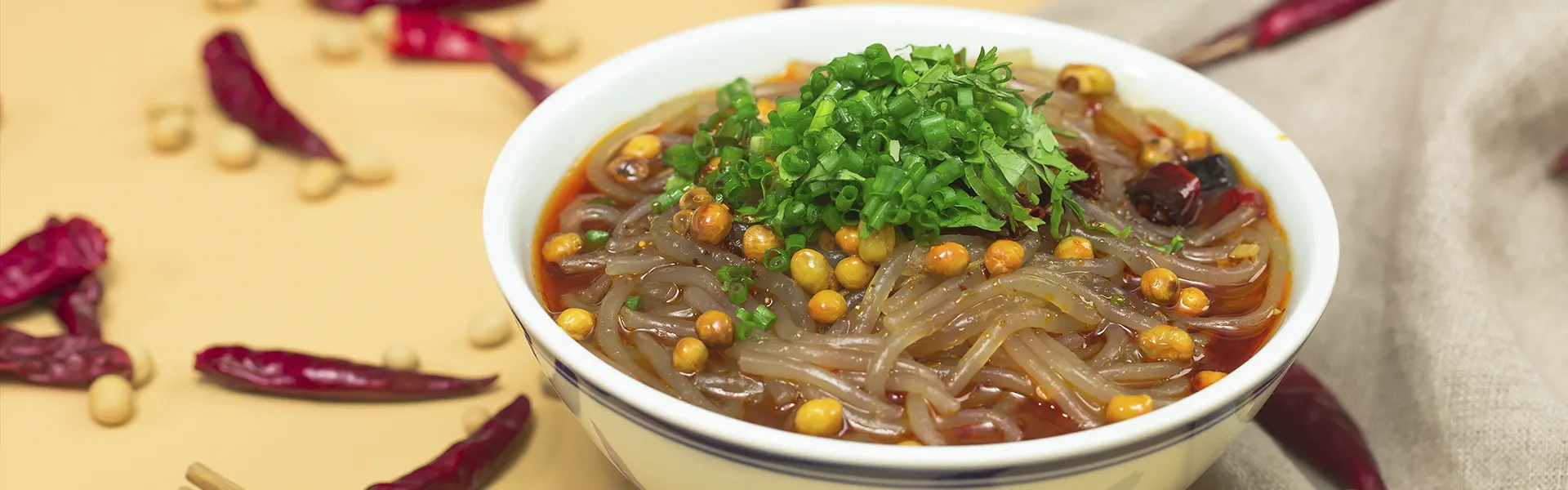
Sweet potato starch is chosen when the product must take heat and keep its bite. Vermicelli and suanlafen stand on it, and so do battered pork pieces that stay crisp and frozen dumplings that should not go mushy. Its paste is slightly less transparent than cassava, with a warmer, grainier tone that suits traditional foods.
Choosing from the other side of the table
Three questions settle most specifications. Must the finished product look clear? Then cassava leads. Must it hold shape through boiling, freezing and reheating? Then the tuber starch is the safer base. Is cost the binding constraint and texture forgiving? Corn starch covers more volume per tonne. Many factories blend two or three to balance all three.
For buyers who source this starch directly, origin and batch control matter as much as the granule. Qinhuangdao Tongyou Sweet Potato Industry has worked Lulong's sweet potato belt since 1992, running 7,000 tonnes of annual starch capacity alongside 6,000 tonnes of vermicelli, holding food production, customs and export filings, and shipping to Korea, Vietnam and Australia. The starch is milled from fresh roots in season and dried for stable storage, which is how a comparison on paper turns into a repeatable result in the factory.
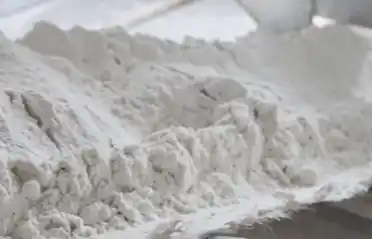
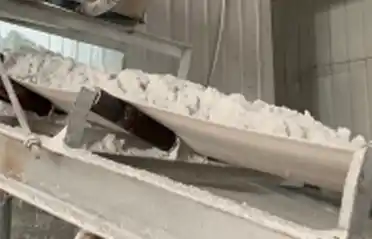
Figure 1. Starch curd on the Lulong line before drying.
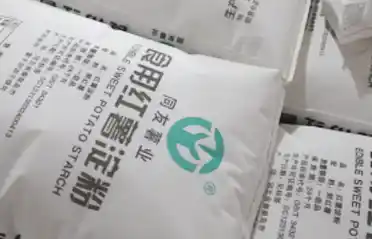
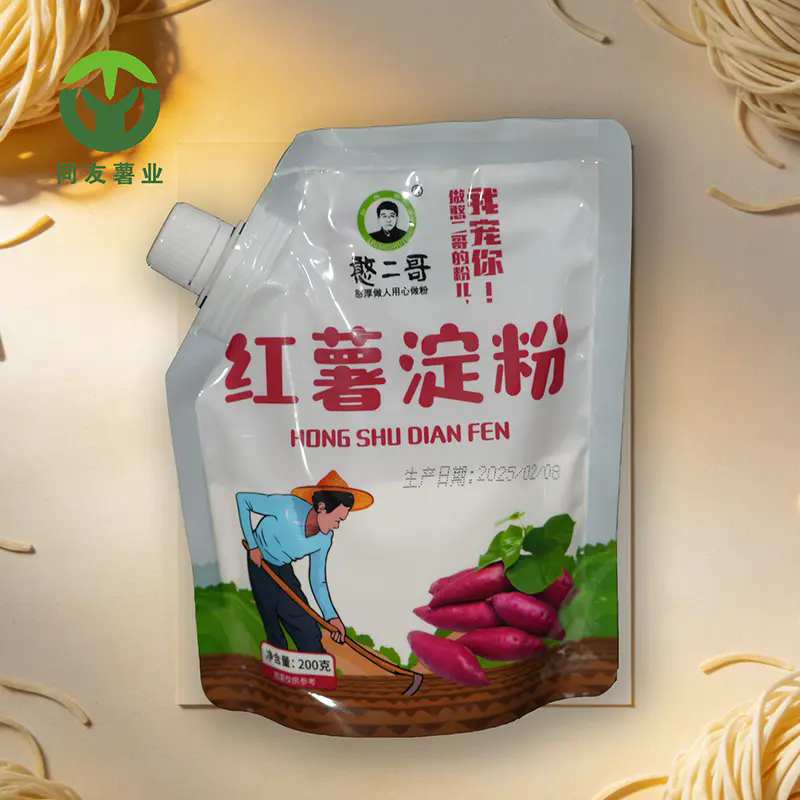
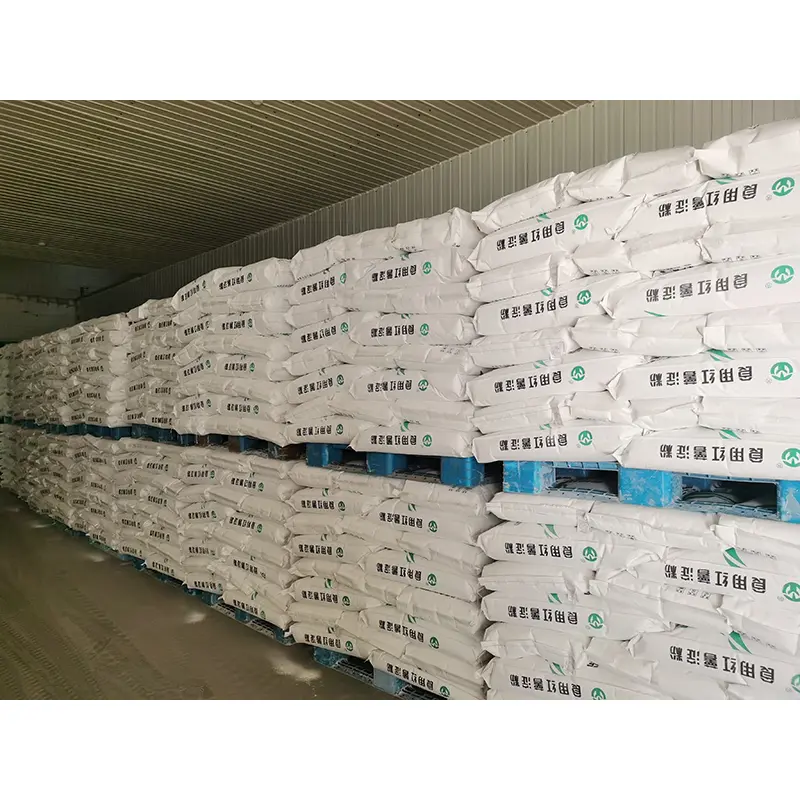
Figure 2. Edible sweet potato starch packed in 25 kg bags.
None of the three replaces the other two. The right choice starts with the texture you must deliver, then the process it must survive, and only then the price per tonne.
Related News
- How Do Sweet Potato Starch Plants Keep Supply Steady All Year?
- How Long Should You Soak Sweet Potato Vermicelli Before Cooking It?
- Where to Source Trusted Sweet Potato Starch and Sweet Potato Vermicelli From Chinese Agricultural Exhibitors?
- How Do You Choose High-Purity Sweet Potato Starch for Noodles?
- How Can Businesses Source Reliable Sweet Potato Vermicelli from China?
- Why Does Sweet Potato Starch Quality Affect Noodle Texture?
Leave me a message
New Products



News Recommendations