China Sweet Potato and Yam Noodles Manufacturer
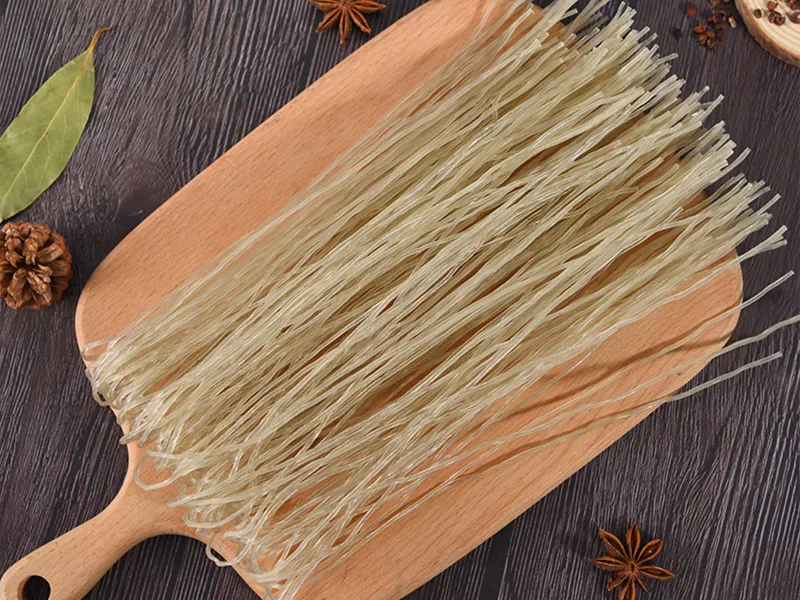
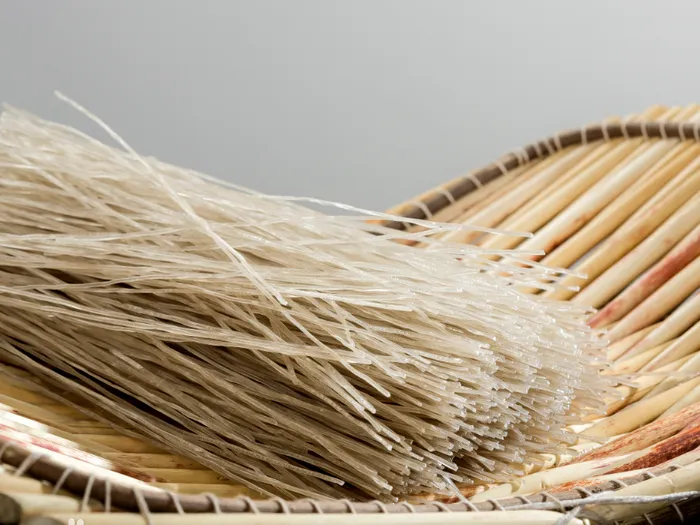
In kitchens around the world, few ingredients bridge tradition and modern health trends as gracefully as Sweet Potato and Yam Noodles. These resilient, glassy strands have been a staple in East Asian cooking for centuries, celebrated for their springy texture and remarkable ability to absorb the essence of broths, sauces, and seasonings. Today, they are no longer confined to restaurant menus; they are making their way into home kitchens, meal-prep containers, and gluten-free diets everywhere. Tongyou, a brand built on sourcing exceptional root-vegetable noodles, brings you a line that honors both heritage and purity. Each pack is produced under strict quality controls, ensuring that what lands on your plate captures the true character of sweet potatoes and yams without unnecessary additives.
Why Quality Starch Matters
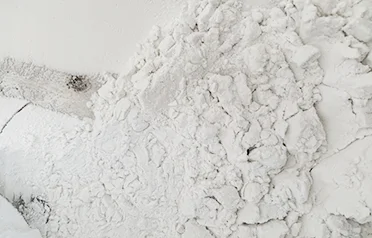
The secret to superior sweet potato and yam noodles lies in the purity of the starch. Lower-grade products often cut corners by blending sweet potato starch with cheaper corn or tapioca starch, which diminishes the characteristic chew and can leave a gummy aftertaste. Tongyou insists on single-origin, 100% pure sweet potato starch and yam starch, sourced from contracted farms in regions known for ideal growing conditions. The soil composition, seasonal rainfall, and careful harvesting times all influence the amylose and amylopectin ratio in the starch, which directly affects the noodle’s elasticity.
After extraction, the starch goes through a multi-stage purification process that removes fiber, protein, and any remaining impurities. This level of refinement is what gives the final product its signature translucency and resistance to overcooking. In a quality test, Tongyou noodles can simmer in a hot pot for several minutes without disintegrating, while inferior versions often turn mushy or break apart.
Culinary Versatility and Cooking Tips
One of the greatest strengths of sweet potato and yam noodles is their adaptability. Their neutral taste base means they easily take on the bold flavors of Sichuan peppercorn, Korean gochujang, Vietnamese fish sauce, or a simple garlic–olive oil toss. Here are a few ways different cultures incorporate these noodles.
- Korean Japchae: The thick sweet potato noodle is stir-fried with sesame oil, soy sauce, and a rainbow of vegetables. It is served warm or at room temperature as a seasoned side dish. Tongyou’s thick-cut option stands up to vigorous tossing without breaking.
- Chinese Malatang or Hot Pot: Medium-thick noodles dropped into bubbling spicy broth cook quickly and absorb the complex chili and Szechuan pepper flavors. They become slippery and satisfying, holding their integrity even after prolonged soaking.
- Japanese-style Cold Noodle Salad: After boiling and shocking in ice water, the noodles are drained and served with a citrusy ponzu dressing, shredded nori, and sesame seeds. The blended sweet potato and yam noodle provides the perfect texture for chilled preparations.
- Vietnamese-inspired Spring Rolls: Softened thin noodles are tucked inside rice paper along with fresh herbs, shrimp, and crunchy vegetables. They add a pleasant chew to every bite.
To cook dried Tongyou noodles perfectly, bring a generous pot of water to a rolling boil. Add the noodles and stir gently for the first 30 seconds to prevent sticking. Boil for the time indicated on the package, then drain and rinse under cold water if you want a firmer, less sticky surface for stir-frying. For soups, you can add directly to the broth during the last few minutes of cooking. Avoid overcooking; even high-quality starch noodles can become overly soft if left too long.
Health and Dietary Benefits
Sweet potato and yam noodles naturally fit into several dietary patterns. They are inherently gluten-free, making them a safe substitute for wheat pasta. Their carbohydrate content is almost entirely complex starch, which digests more slowly than refined wheat flour, potentially helping to maintain steadier blood sugar levels. Unlike many gluten-free alternatives that rely on refined rice flour and gums, these noodles are a whole-food-derived product with fewer ingredients and no added binders.
Yam starch, in particular, contains a resistant starch fraction that may act as a prebiotic, supporting gut health. The dietary fiber content, while modest, contributes to satiety. Additionally, because the noodles are low in fat and sodium, they become a canvas for nutrient-dense additions: lean proteins, colorful vegetables, and healthy fats. For athletes, the high carbohydrate density provides readily available energy, while the absence of greasy coatings makes them easy to digest before a workout.
Tongyou ensures that the nutritional panel reflects what is inside the package. No hidden sugars, no maltodextrin fillers. The brand’s transparency allows nutritionists and dietitians to recommend the product with confidence for weight management, allergy-friendly eating, and plant-based lifestyles.
Packaging and Shelf Stability
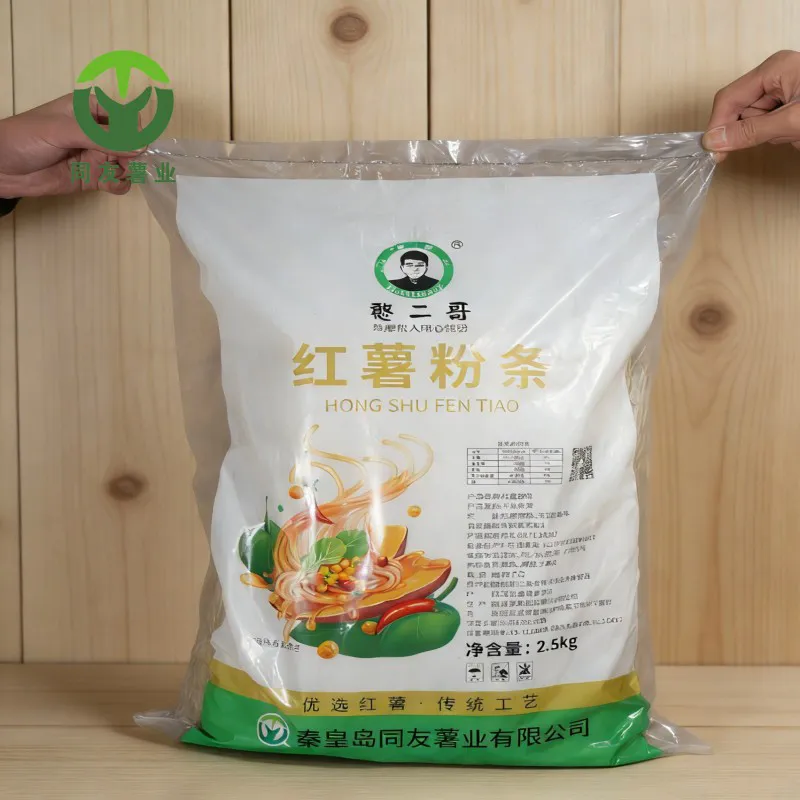
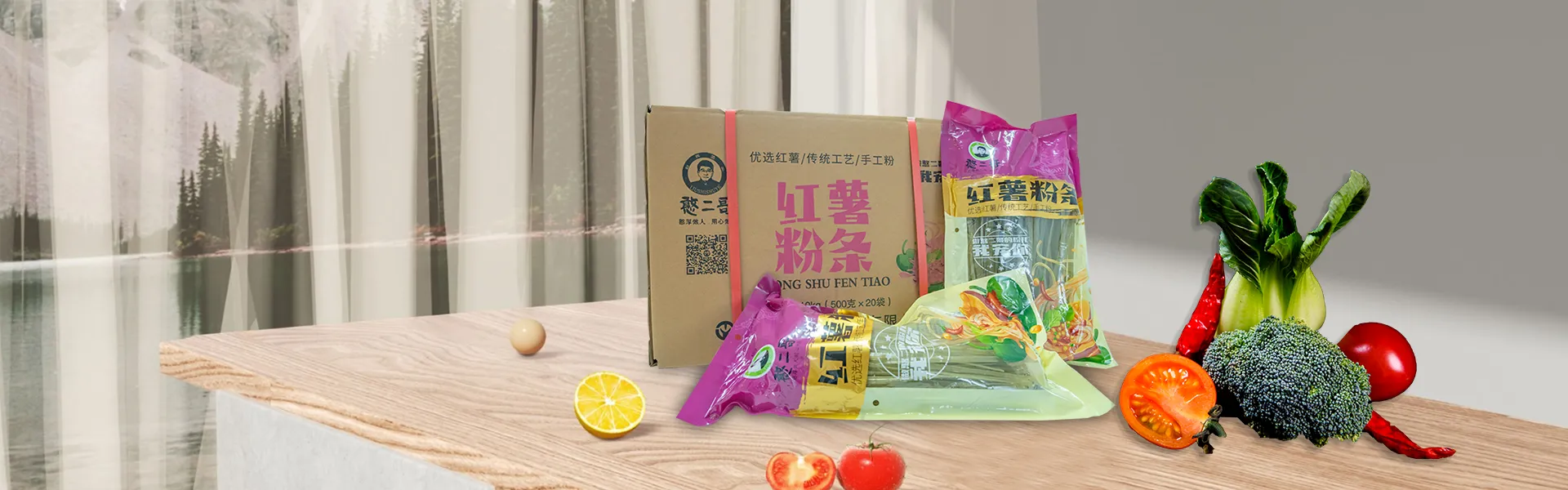
Product integrity extends to packaging. Tongyou uses a multi-layer laminate film with high oxygen and moisture barrier properties. The dried noodles are sealed immediately after drying to lock in freshness. A small oxygen absorber sachet is placed inside to prevent oxidation and insect damage. The pack is then packed in recyclable cardboard cases for wholesale. For fresh noodles, vacuum skin packaging is employed, followed by cold chain distribution. These measures guarantee that even after months of storage, the noodles hydrate quickly and taste as intended.
Retail packs feature clear cooking instructions, a batch code for traceability, and branding that communicates trust. The minimalistic design helps the product stand out on store shelves while conveying a message of natural purity. For food service operators, larger catering packs are available, with consistent noodle length and weight to ensure portion control.
Troubleshooting Common Issues
Even high-quality noodles can present challenges if not handled correctly. If the strands stick together during cooking, check that enough water was used — at least 1 liter per 100g of noodles — and that the pot was stirred during the first minute. If the noodles become too soft, reduce the cooking time slightly and immediately rinse with cold water. For stir-fries, excess starch on the surface can be removed by a quick cold rinse and draining before adding to the wok. A small amount of oil in the cooking water can also help keep strands separate. With practice, these adjustments become second nature.
Sweet potato and yam noodles are more than just an alternative to wheat pasta — they are a distinct category with their own texture, history, and culinary logic. By choosing Tongyou, you gain a product that reflects careful sourcing, rigorous processing, and a genuine passion for starch-based noodles. Whether you are stirring a midnight skillet of spicy noodles, preparing a refreshing picnic salad, or running a bustling restaurant kitchen, these noodles offer consistency, flavor carriage, and the clean label today’s consumers demand.
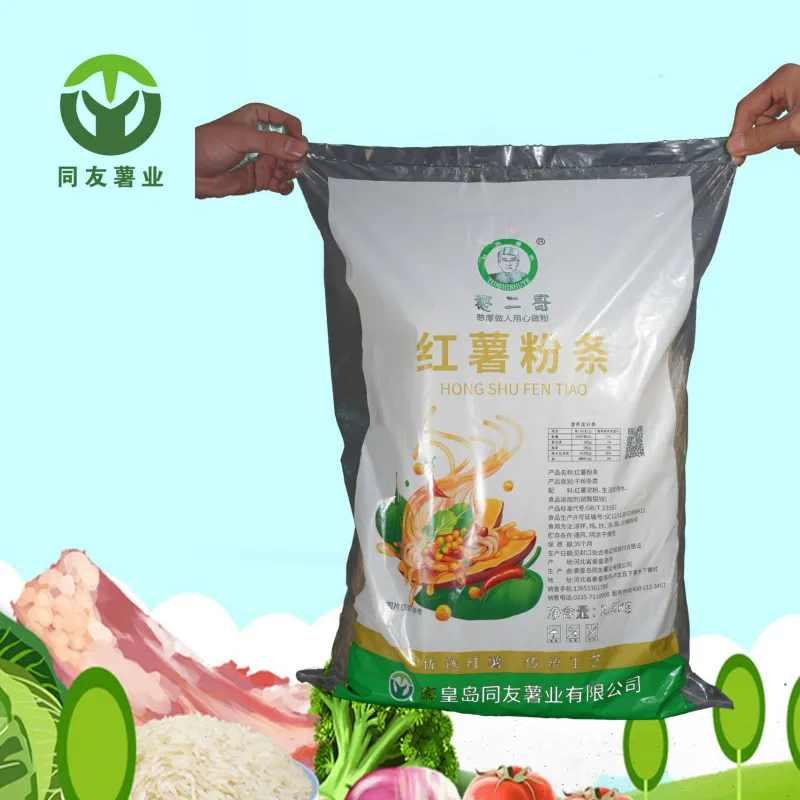
- View as
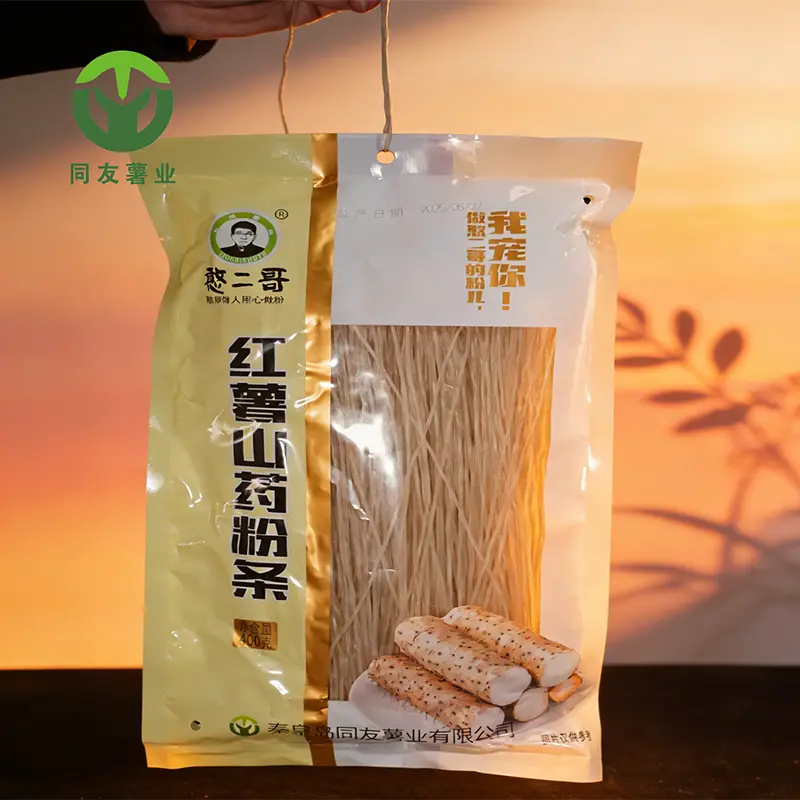
400g Bag Sweet Potato and Yam Glass Noodles
Tongyou's 400g Bag Sweet Potato and Yam Glass Noodles are a visual masterpiece for creative cooking. Perfect for colorful salads, Thai fusion dishes, and artistic plating, they boast exceptional transparency and a sleek, glossy finish. As an innovative manufacturer, we craft noodles that enhance the visual appeal of any dish. Buy now for a stunning presentation!
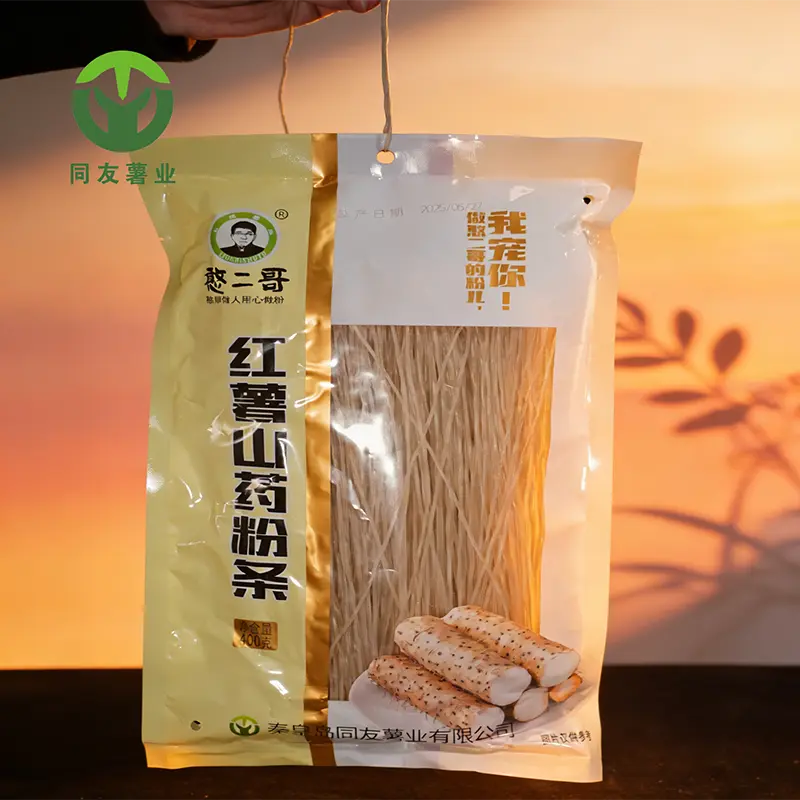
400g Bag Sweet Potato and Nagaimo Noodles
Introduce a rare, high-margin gourmet masterpiece to your upscale food portfolio with Tongyou's 400g Bag Sweet Potato and Nagaimo Noodles. Expertly infusing the pristine starch of premium sweet potatoes with authentic Japanese Mountain Yam extract, these luxury noodles offer a sophisticated "crunchy-chewy" textural contrast highly coveted in modern fine dining. Packaged in a durable, shelf-stable, and retail-ready 400g pouch, this exotic functional starch line completely eliminates shelf-breakage risks while targeting affluent culinary demographics. As a specialized China manufacturer, Tongyou provides factory-direct wholesale pricing, robust OEM branding, and full international food safety compliance to help specialty importers capture maximum luxury market margins.
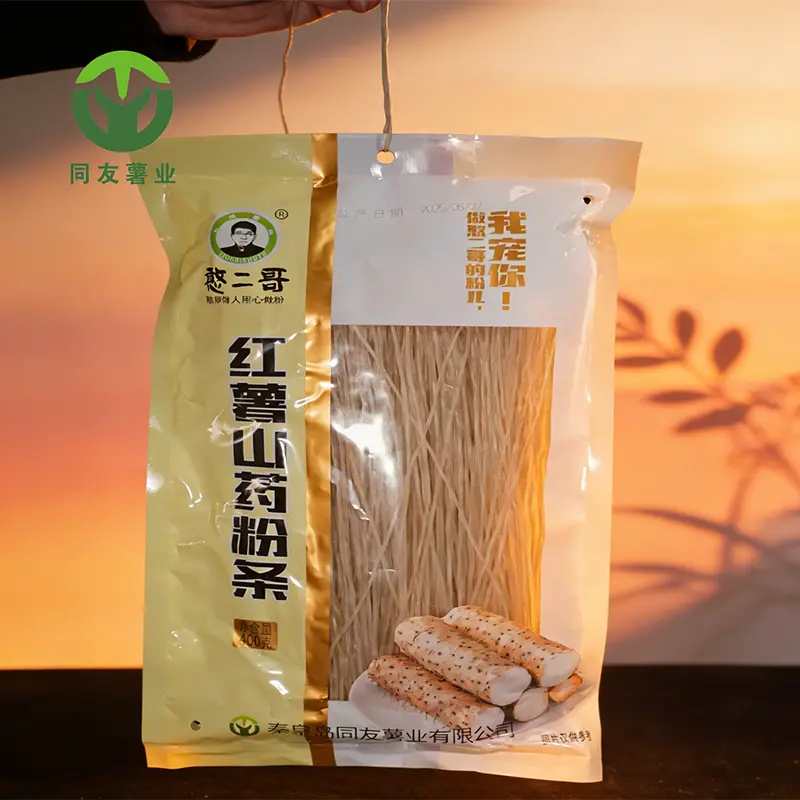
400g Bag Sweet Potato and Chinese Yam Vermicelli
Tongyou's 400g Bag Sweet Potato and Chinese Yam Vermicelli are a functional food powerhouse. Perfect for medicinal soups, recovery meals, and digestive health support, they leverage the ancient properties of Chinese Yam. As a specialized manufacturer, we preserve the bioactive nutrients through gentle processing. Buy now for a truly restorative culinary ingredient!
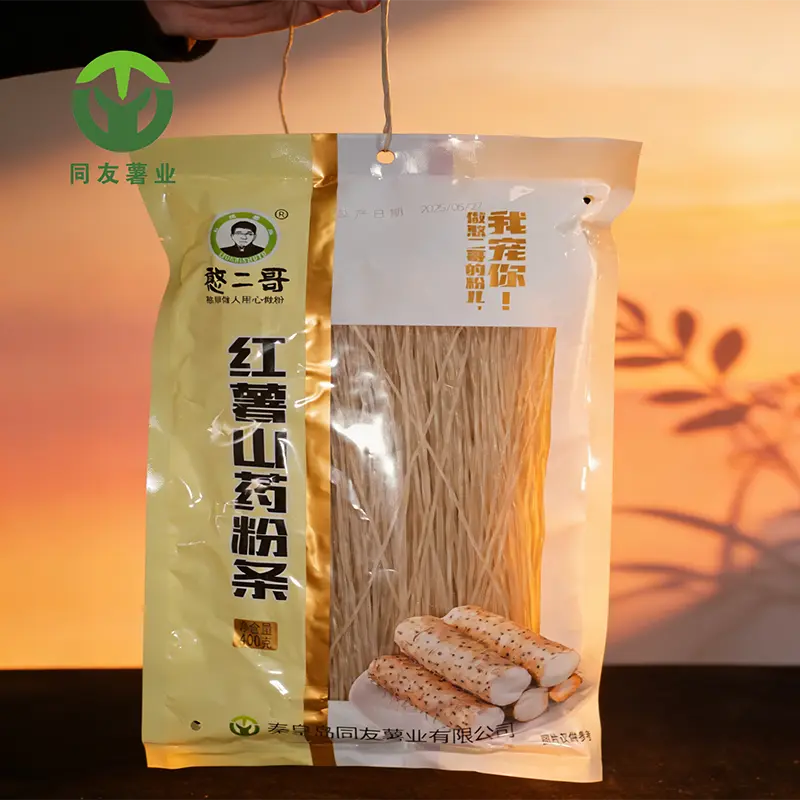
400g Bag Sweet Potato and Yam Noodles
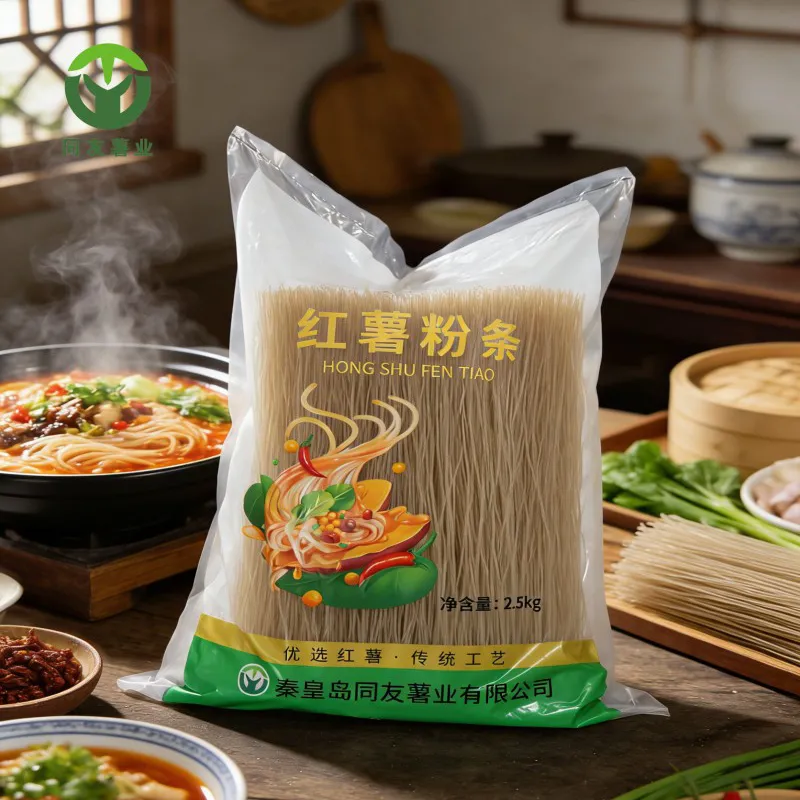
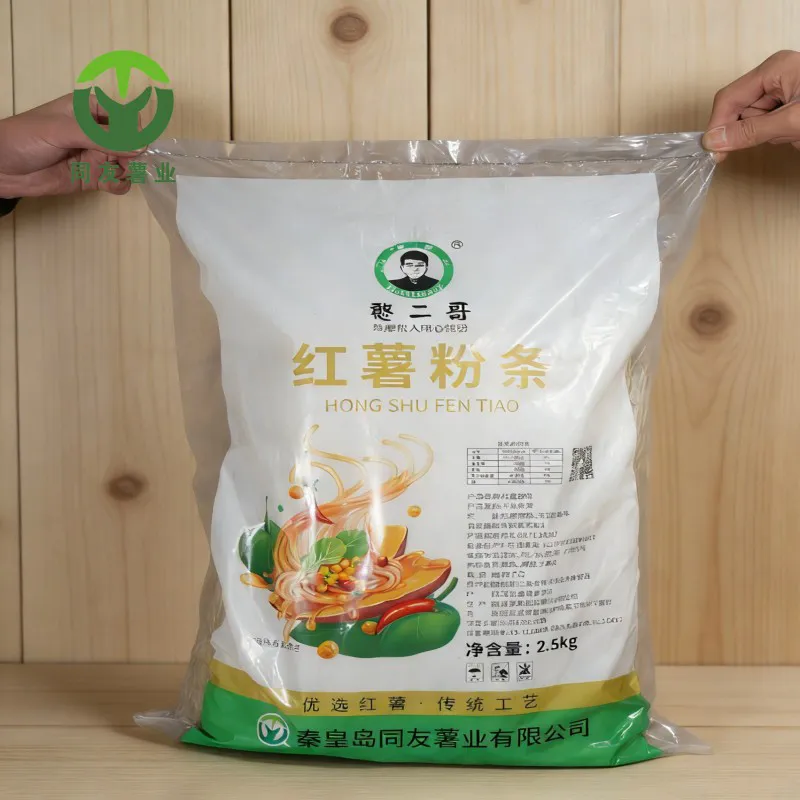
Streamline your retail catalog with a high-turnover, nutrient-dense pantry essential engineered for the fast-paced modern lifestyle. Tongyou's 400g Bag Sweet Potato and Yam Noodles combine the natural digestive benefits of authentic Chinese yam with the premium elasticity of pure sweet potato starch. Unlike traditional fragile bundles that break easily on shelves, our user-friendly, moisture-proof bag packaging is perfectly portioned for standard families of three to four, guaranteeing ultimate freshness and effortless storage. As a leading China manufacturer, we offer factory-direct wholesale pricing and flexible OEM solutions, making this premium carbohydrate choice a reliable favorite for international supermarkets, convenience stores, and online e-commerce platforms.
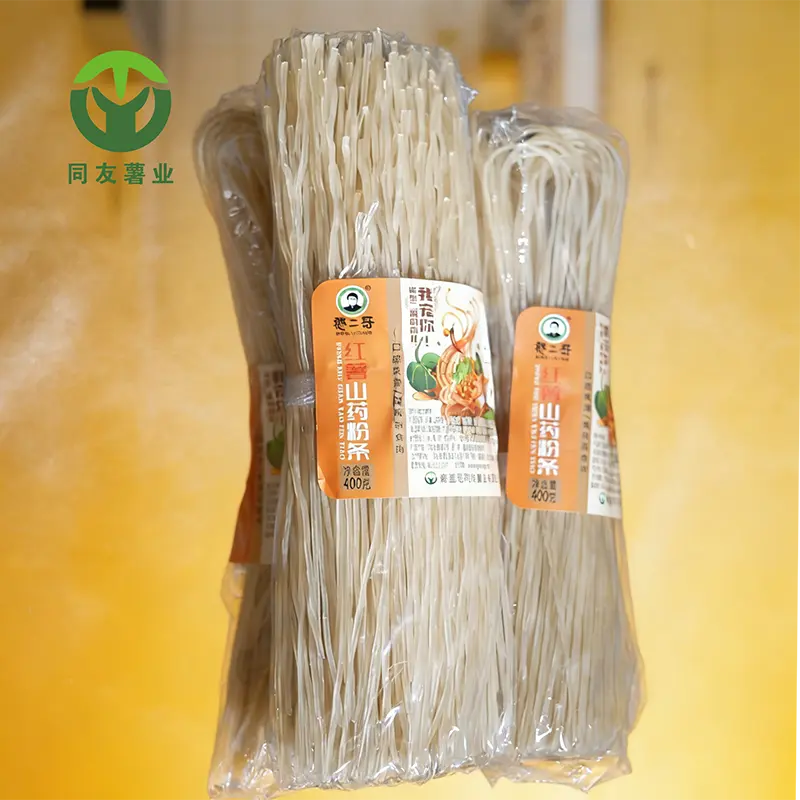
400g Bundled Sweet Potato and Yam Starch Noodles
Expand your specialty inventory with a rare, story-driven agricultural delicacy rooted in centuries of winter wellness traditions. Tongyou's 400g Bundled Sweet Potato and Yam Starch Noodles offer a perfectly balanced, nutrient-dense blend of premium sweet potato and genuine Chinese yam starch. Free from alum and artificial thickeners, these artisan noodles are expertly bundled to serve as a premium pantry choice for winter warmers, tonifying family recipes, and festive culinary gatherings. As a specialized, verified China manufacturer, we preserve authentic recipes to help premium food importers, gift hamper distributors, and gourmet grocers capture highly lucrative niche market margins.
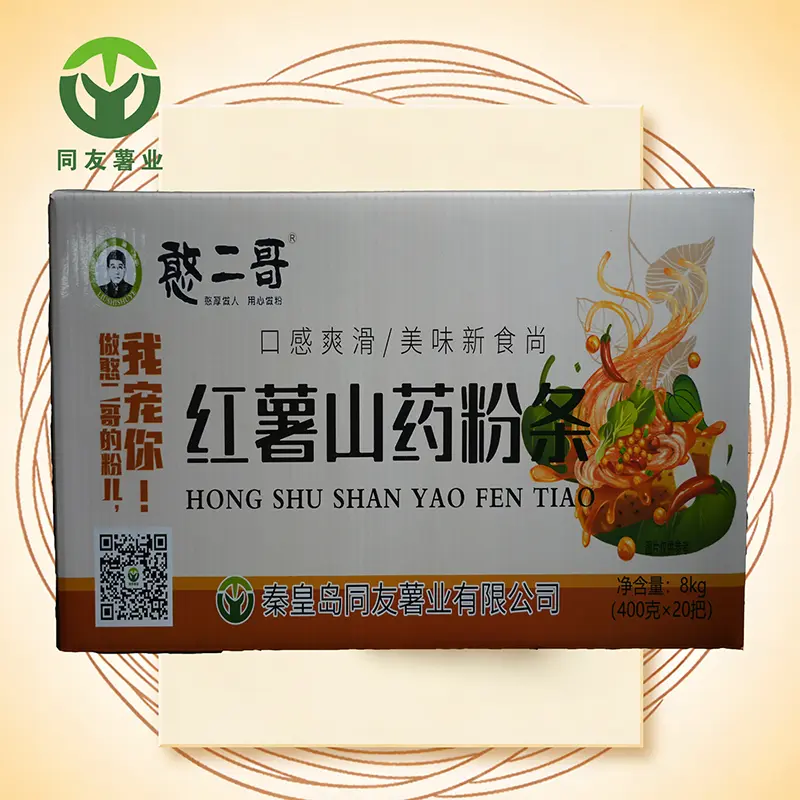
400g Bundled Sweet Potato and Yam Vermicelli
Tongyou's 400g Bundled Sweet Potato and Yam Vermicelli are engineered for superior texture. Perfect for hot pots, braised dishes, and recipes requiring resilience, they offer a unique "soft-chewy" balance. As an expert manufacturer, we blend starches to prevent sticking and ensure consistency. Buy now for professional kitchen results!
Tongyou offers Sweet Potato and Yam Noodles with consistent quality, flexible solutions and wholesale support, contact us for your purchase needs.