How Can Businesses Source Reliable Sweet Potato Vermicelli from China?
For restaurant owners, hot-pot chains, Asian-food distributors, and private-label brands around the world, finding a dependable supplier of sweet potato vermicelli is a recurring procurement challenge. Buyers consistently ask for a product that stays springy after long boiling, holds its shape in spicy broth, shows a natural translucent amber tone, and arrives with the same texture batch after batch. This guide walks through what separates good noodles from average ones, how the drying process shapes the final bite, and how a specialized source factory in Qinhuangdao, China answers wholesale and OEM demand.
What Makes Good Sweet Potato Vermicelli Stand Out?
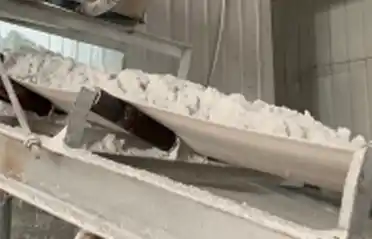
Not all vermicelli on the wholesale market is made the same way. Quality noodles are made from sweet potato starch extracted from fresh tubers, mixed only with water, and processed through a controlled sequence of slurrying, steaming, cooling, resting, cutting, and drying. The finished strand should be smooth, semi-translucent, light amber, and free of off-odor. After cooking it should remain elastic and chewy rather than turning soft and mushy in the soup.
Lower-grade alternatives often blend potato or corn starch with fillers, or rush the noodles through high-heat mechanical drying. Buyers are advised to request samples and test three things before committing to a container order: how long the noodles stay firm after boiling, how many strands break during rinsing, and how much oil or broth they absorb. These simple home-style tests reveal far more than a product catalogue can.
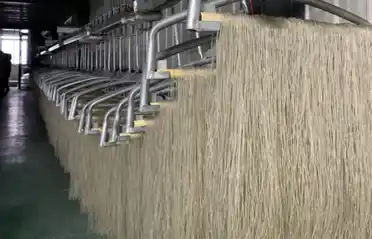
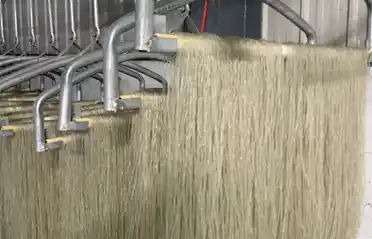
Figure 1. Strands hanging on stainless-steel rails inside the temperature-controlled drying workshop.
Why Controlled Air-Drying Shapes the Final Bite
One of the clearest signs of a serious vermicelli factory is the drying stage. In a well-run workshop, freshly formed strands are hung on stainless-steel racks and moved along overhead rails through temperature- and humidity-controlled drying tunnels, instead of being baked rapidly in hot air. This slow, suspended drying preserves the starch network inside each strand, which is exactly why well-made sweet potato vermicelli stays toothsome even after hours of simmering in hot pot or stew.
Walking the production floor, buyers see long rows of hanging noodles stretching across the room, uniform in colour and thickness, carried automatically along the rail system. Because the strands are suspended rather than laid on open surfaces, the drying environment also supports better food hygiene and reduces the risk of contamination during the most delicate stage of production.
A Full Range of Specs for Every Menu
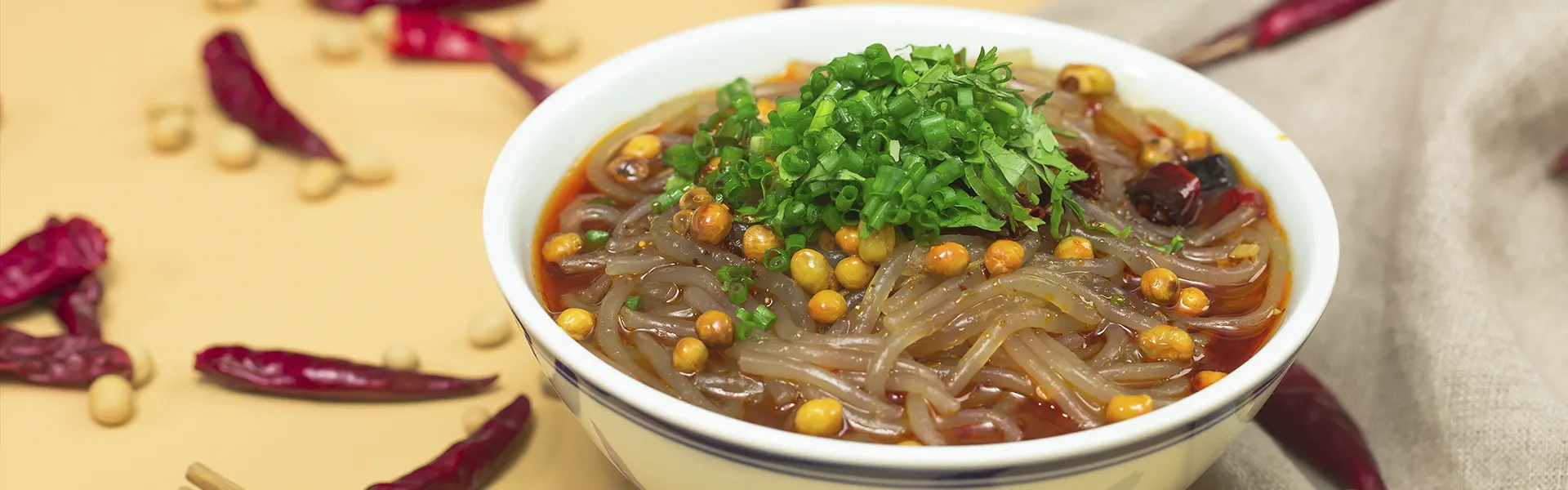
Wholesale buyers rarely need a single shape. A capable source factory should offer a portfolio covering the main catering use cases: thin round vermicelli for soups, cold salads, and glass-noodle dishes; wide flat noodles built for hot pot and braising; and blended varieties such as sweet potato and yam vermicelli for retailers seeking a differentiated shelf SKU.
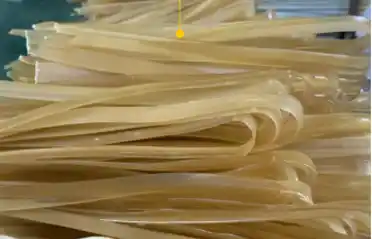
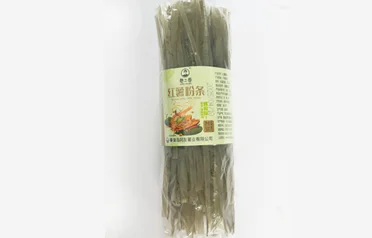
Figure 2. Wide sweet potato hot-pot noodles, smooth and translucent, ready for packaging.
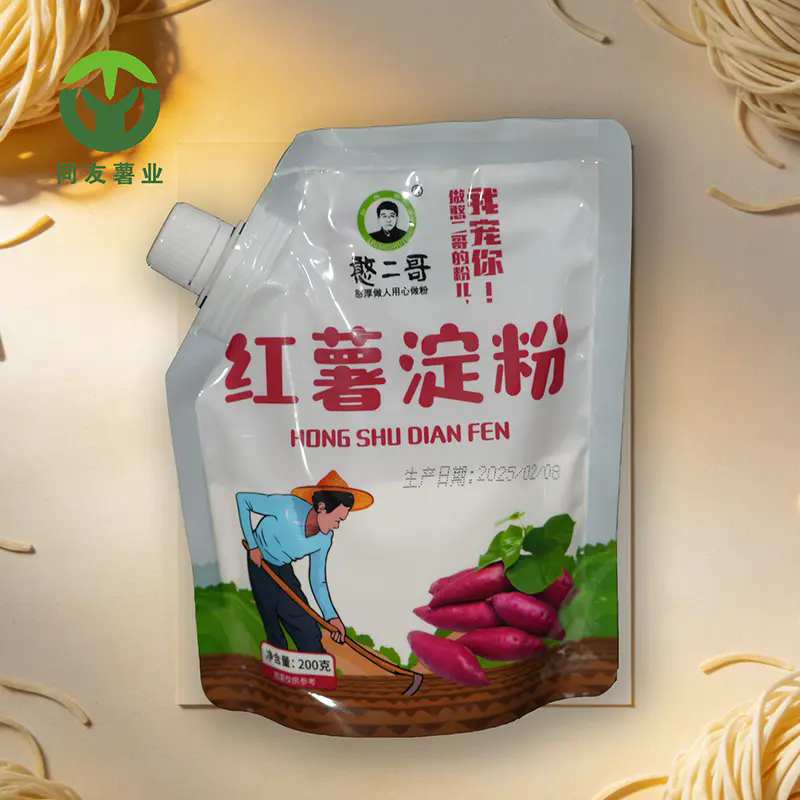
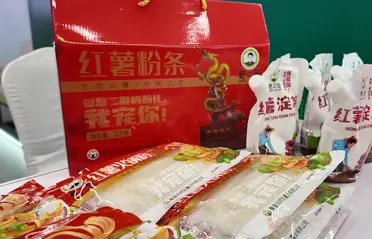
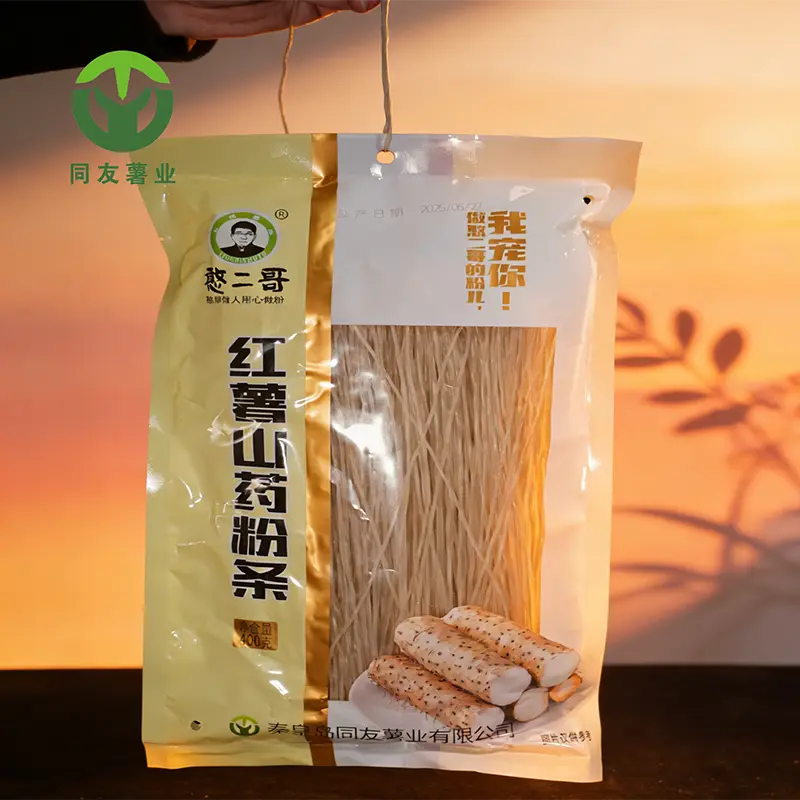
Qinhuangdao Tongyou Sweet Potato Industry, which operates the Han Er Ge brand, produces this full range from its own workshop in Hebei Province. Its catalogue covers classic thin vermicelli, wide hot-pot noodles, and yam-blended sticks. Standard retail packs, bulk bags, and custom-printed private-label packaging are all supported, so the same product can land on a supermarket shelf, a restaurant supply pallet, or an e-commerce fulfilment centre without losing consistency.
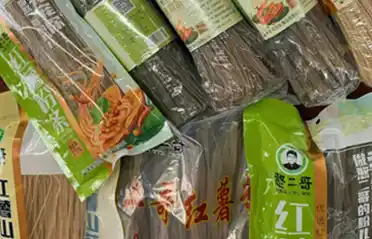
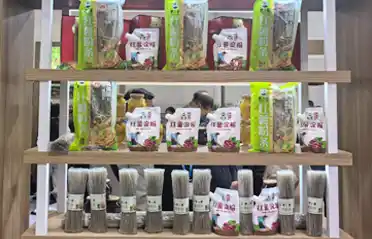
Figure 3. Han Er Ge branded range: thin vermicelli, 285g hot-pot noodles, and 400g yam-blended sticks.
The Advantage of Buying Directly from a Source Factory
Working directly with the manufacturer removes trading-company layers and gives buyers tighter control over specification, packaging, and lead time. It also makes it straightforward to communicate quality expectations up front, request mill or test reports, and align on consistency across repeat orders. For importers who need stable supply for hot-pot chains, Asian grocery retailers, or e-commerce private labels, a direct factory relationship reduces miscommunication and supports longer-term menu and assortment planning.
Final Tips for Importers
When evaluating a sweet potato vermicelli supplier, ask for real production-floor photographs, sample packs in your target spec, and clear answers on minimum order quantities, OEM labeling, and shipping documents. A reliable partner will respond to these questions openly and let the product itself - colour, aroma, and bite - do the convincing.
Related News
- Sweet Potato Starch vs Cassava and Corn: Which Thickens Best?
- How Do Sweet Potato Starch Plants Keep Supply Steady All Year?
- How Long Should You Soak Sweet Potato Vermicelli Before Cooking It?
- Where to Source Trusted Sweet Potato Starch and Sweet Potato Vermicelli From Chinese Agricultural Exhibitors?
- How Do You Choose High-Purity Sweet Potato Starch for Noodles?
- Why Does Sweet Potato Starch Quality Affect Noodle Texture?
Leave me a message
New Products



News Recommendations