Dietary Fiber: 0.6–3g (higher in handmade, coarsely filtered varieties)
Minerals: Calcium 35mg, Iron 5.2mg, Potassium 18–66mg, Phosphorus 12–23mg; trace amounts of Zinc and Selenium
Vitamins: Small amounts of Niacin and β-carotene (specific to sweet potatoes)
II. Key Nutritional Advantages
1. Low-fat and cholesterol-free; suitable for those managing fat intake
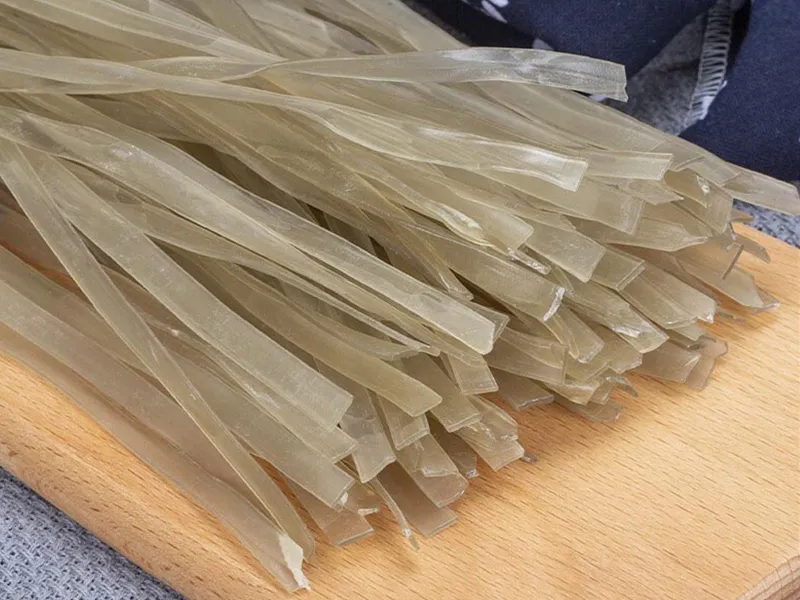
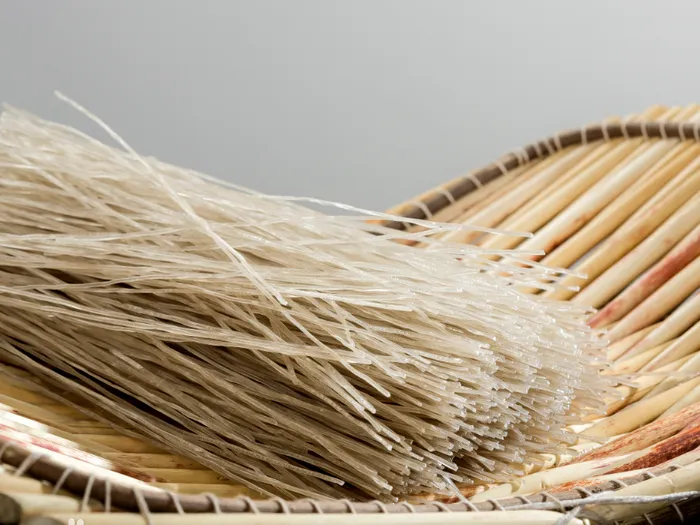
Contains virtually no fat; individuals focusing on fat loss or managing high blood lipids and cardiovascular conditions can use it to replace a portion of rice or wheat-based staples. It absorbs water and expands upon cooking—100g of dry vermicelli yields 300–400g of cooked product—resulting in only 85–110 kcal per 100g of cooked vermicelli, which is lower in calories than an equal weight of cooked rice.
2. Low protein, potassium, and phosphorus; suitable for individuals with kidney disease
Compared to rice (which contains approximately 8g of protein per 100g), sweet potato vermicelli contains only 2.7g. Potassium and phosphorus levels are far lower than in grains or soy products, helping to reduce the metabolic burden on the kidneys and making it an excellent staple food alternative for kidney patients.
3. Dietary fiber promotes satiety and bowel regularity
Contains both soluble and insoluble fiber; slows gastric emptying to provide lasting satiety and help control appetite; promotes intestinal motility, alleviates constipation, and regulates gut microbiota.
Glycemic Index (GI) ≈ 54 (low-to-medium GI); high resistant starch content leads to a more gradual rise in blood sugar compared to white rice or white noodles, making it a viable option for those managing blood sugar levels to replace a portion of their staple carbohydrates. 4. Rich in antioxidants unique to sweet potatoes
It retains antioxidant compounds such as beta-carotene (which converts to Vitamin A to protect mucous membranes and eye health) and chlorogenic acid; these offer anti-inflammatory and free-radical scavenging benefits, making it superior to vermicelli made from pure wheat starch.
5. Mineral supplementation: Iron and calcium
Its iron content far exceeds that of white rice or wheat flour; pairing it with vegetables and tomatoes (sources of Vitamin C) can enhance iron absorption. It also contains calcium and magnesium, supporting bone health.
We use cookies to offer you a better browsing experience, analyze site traffic and personalize content. By using this site, you agree to our use of cookies. Privacy Policy