What Makes Sweet Potato Starch a Preferred Gluten-Free Ingredient for Food Producers?
Step into the test kitchen of a forward-thinking gluten-free bakery. On the counter sit four identical mixing bowls, each destined to become a loaf of bread. One bowl contains corn starch—the resulting loaf is crumbly and dry. Another holds tapioca starch—the crumb is gummy and unappealing. A third uses potato starch—the bread is promisingly soft, but within hours it becomes dense and stale, a phenomenon known as retrogradation. Then comes the fourth bowl. The baker adds Sweet Potato Starch, mixes the batter, and slides it into the oven. When the loaf emerges, it is golden-brown, tender, and resilient. The next morning, it remains soft and pliable. This is not a hypothetical scenario; it is a scene repeated daily in food laboratories around the world. The question that drives these experiments is a fundamental one: what makes Sweet Potato Starch such a standout ingredient for gluten-free food production?
The answer lies at the intersection of chemistry and culinary science. Sweet Potato Starch offers a unique combination of functional properties that are exceptionally well-suited to the challenges of gluten-free formulation. Unlike other starches that require extensive modification or blending, Sweet Potato Starch performs admirably on its own, delivering high viscosity, remarkable freeze-thaw stability, and a neutral flavor profile that does not compete with other ingredients. These characteristics make it an ideal choice for everything from gluten-free breads and pastries to soups, sauces, and meat products. In this article, we will explore the scientific and practical reasons behind the rising popularity of Sweet Potato Starch as a preferred gluten-free ingredient, and we will show how professional food producers can leverage these properties to create superior products.
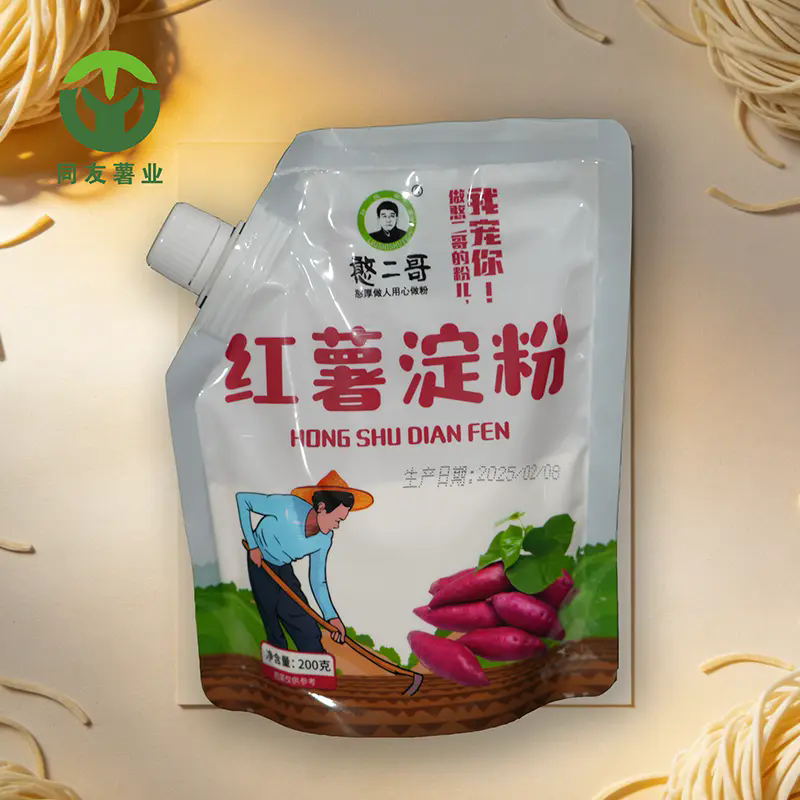
Table of Contents
- 1. What Is Sweet Potato Starch and How Is It Produced?
- 2. Why Does Sweet Potato Starch Provide Superior Binding and Texture?
- 3. How Does Natural Flavor Neutrality Benefit Food Formulation?
- 4. How Does Processing Excellence Ensure Consistent Quality?
- Frequently Asked Questions (FAQ)
- About the Manufacturer
- Conclusion
What Is Sweet Potato Starch and How Is It Produced?
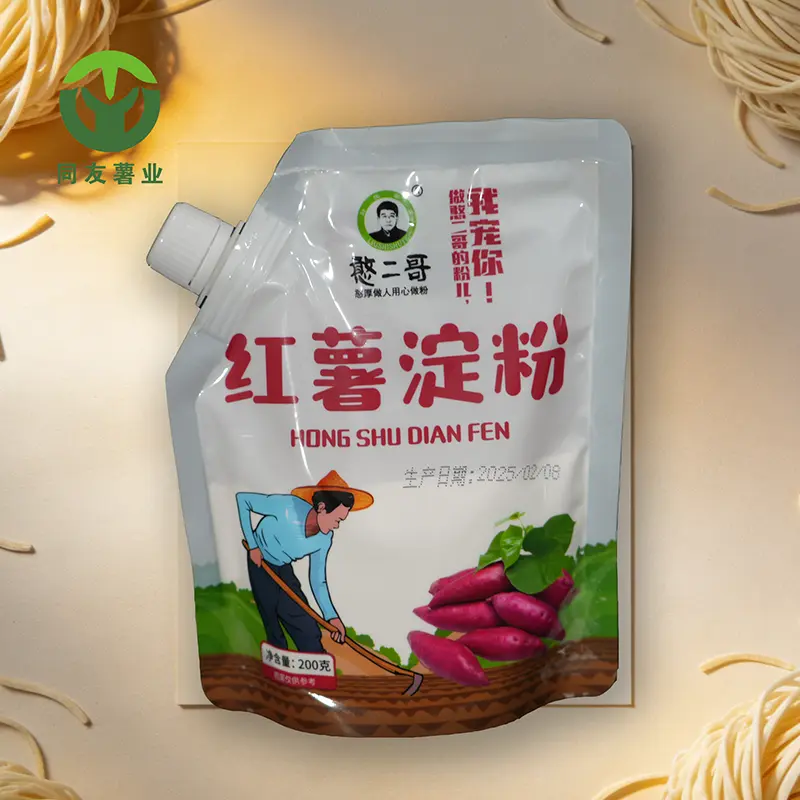
Before we can appreciate the functional brilliance of Sweet Potato Starch, we must first understand what it is and where it comes from. Sweet Potato Starch is a pure, natural carbohydrate extracted from the tuberous roots of the sweet potato plant (Ipomoea batatas). Unlike wheat flour, which contains gluten proteins, Sweet Potato Starch is naturally gluten-free, making it a safe and versatile ingredient for the growing population of gluten-sensitive consumers. It is not to be confused with sweet potato flour, which contains the entire tuber, including fiber and protein. Starch is the pure carbohydrate fraction—a white, odorless powder that is essentially invisible in finished products, yet profoundly impactful on texture, structure, and shelf-life.
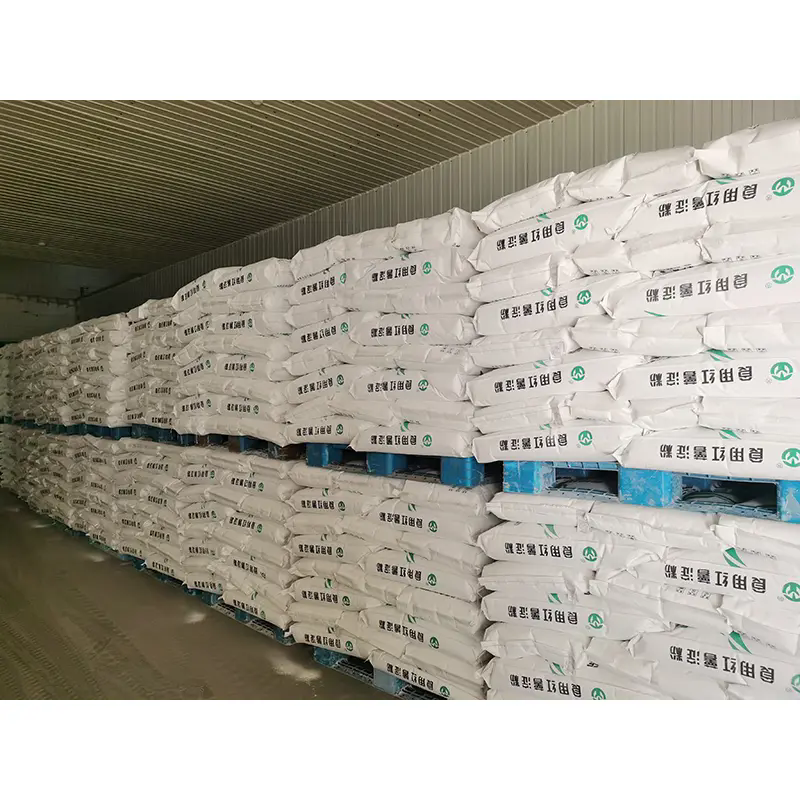
The journey from sweet potato field to food factory is a careful, controlled process designed to preserve the starch's native functionality. It begins at harvest, when mature sweet potatoes are carefully cleaned to remove soil and debris. The roots are then mechanically crushed and milled with water to create a slurry. This slurry is passed through a series of fine mesh screens and separators to remove the fiber and protein fractions, leaving a milky liquid rich in starch. This liquid is then subjected to a series of purification steps—centrifugation, washing, and fine filtration—to remove any remaining impurities. The purified starch slurry is then dewatered using a vacuum filter or centrifuge, producing a starch cake. Finally, the cake is dried in a flash dryer or a band dryer to reduce the moisture content to the target level of approximately 12-14 percent. The dried starch is then milled to achieve the desired particle size, passing through a 100-200 mesh screen, before being packaged for shipment.
What makes this process particularly valuable for modern food production is its physical nature. Unlike some modified starches that require chemical treatment, Sweet Potato Starch is extracted through purely physical means—water, mechanical separation, and heat drying. This aligns perfectly with the "clean label" movement, as food producers can list "sweet potato starch" on their ingredient declarations without the need for complex chemical names. The microscopic structure of Sweet Potato Starch granules is also worth noting. Under a microscope, the granules appear as polygonal or angular particles with a distinct crystalline structure. The granule size typically ranges from 5 to 25 micrometers, which is smaller than corn starch granules (10-30 micrometers) and similar to potato starch. This fine granule size contributes to its smooth mouthfeel and excellent film-forming properties, which are desirable in applications like batters and coatings.
Why Does Sweet Potato Starch Provide Superior Binding and Texture?
Imagine a group of food scientists seated around a conference table. Before them are five loaves of gluten-free bread, each made with a different starch binder. They are conducting a blind sensory evaluation. As they taste, they take notes. The loaf made with corn starch is crumbly and dry, lacking structural integrity. The tapioca starch loaf is gummy and overly elastic, with an unpleasant chew. The potato starch loaf is soft and appealing when fresh, but the next day it is dense and stale—a victim of rapid retrogradation. The rice starch loaf is bland and sandy-textured. Then they come to the fifth loaf, made with Sweet Potato Starch. It is moist, tender, and cohesive. The crust is browned and crisp. Most importantly, the texture holds up overnight, remaining soft and pliable. This is not a hypothetical product test; it is a reflection of the real-world experience of many gluten-free product developers who have discovered the superior binding and texturizing capabilities of Sweet Potato Starch.
The functional superiority of Sweet Potato Starch can be traced back to its unique molecular architecture. Like all starches, Sweet Potato Starch is composed of two primary polymers: amylose and amylopectin. Amylose is a linear molecule that tends to align and crystallize, contributing to gel formation and film strength. Amylopectin is a highly branched molecule that provides swelling and viscosity. The ratio of amylose to amylopectin in Sweet Potato Starch is approximately 20:80, which is similar to that of potato starch. However, the structural arrangement of these molecules—the "fine structure" of the amylopectin—differs significantly. The amylopectin in Sweet Potato Starch has a higher proportion of long chains and a more clustered branch distribution. This results in a starch that swells rapidly, reaches a high peak viscosity, and forms a gel that is both strong and elastic, without being brittle. This combination is the key to its exceptional binding and texture-enhancing properties.
To put these properties in perspective, consider a few key functional parameters. The peak viscosity of Sweet Potato Starch, as measured by a Rapid Visco Analyzer (RVA), typically ranges from 600 to 800 Brabender Units (BU), which is significantly higher than corn starch (400-500 BU) and comparable to potato starch. This high peak viscosity means that it absorbs water rapidly and thickens effectively during cooking, providing structure and body to products. Its pasting temperature is moderate—typically 65-75°C—which is compatible with most food processing conditions. Furthermore, the gel that Sweet Potato Starch forms has excellent resistance to syneresis (weeping of water) during freeze-thaw cycles. This makes it ideal for frozen products, where other starches often break down and release water, leading to a loss of texture and quality. The following table summarizes the key functional differences between Sweet Potato Starch and other common gluten-free starches.
| Property | Sweet Potato Starch | Corn Starch | Tapioca Starch | Potato Starch |
| Peak Viscosity (BU) | 600-800 | 400-500 | 700-850 | 800-950 |
| Pasting Temp (°C) | 65-75 | 70-80 | 60-70 | 62-68 |
| Freeze-Thaw Stability | Excellent | Poor | Fair | Good |
| Retrogradation Tendency | Low | High | Medium | Medium |
| Gel Clarity | Moderate | High | High | High |
How Does Natural Flavor Neutrality Benefit Food Formulation?
Picture a food formulator sitting at her desk, wrestling with a gluten-free pancake mix. She has tried three different starch blends, but each has presented a different problem. The blend with corn starch produces a dry, pasty mouthfeel. The blend with potato starch is better in texture, but there is a lingering earthy aftertaste that requires masking with extra sugar and vanilla, driving up ingredient costs. The blend with tapioca starch offers a neutral flavor but lacks the binding power to keep the pancakes from falling apart. Then she tries a sample of Sweet Potato Starch. The flavor is clean and neutral. The texture is light and fluffy. And the taste? It tastes like pancakes—nothing else. This is the flavor neutrality that food producers seek: the ability for an ingredient to perform its functional role without imposing its own taste profile on the final product. Sweet Potato Starch excels in this regard, making it an ideal foundation for a wide range of gluten-free applications.
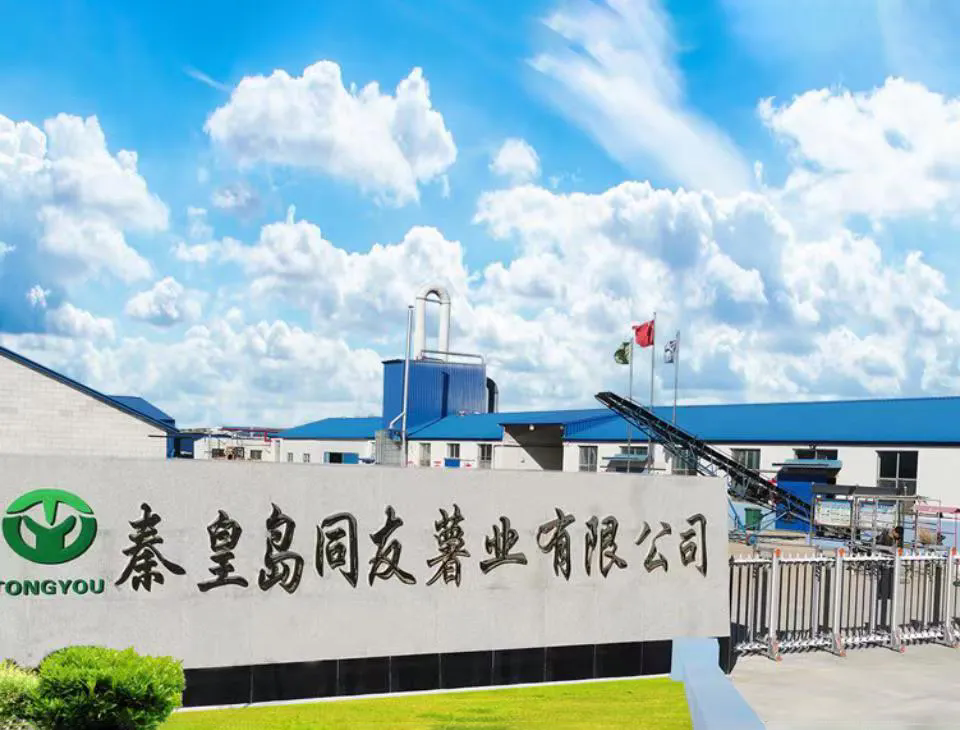
Flavor neutrality is not an accident of nature; it is the result of careful processing and quality control. The sweet potato itself has a mild, earthy flavor that is pleasant in its natural form. However, during starch extraction, the fiber and protein fractions—which contain most of the flavor compounds—are removed. The remaining starch is essentially pure carbohydrate, with a very low level of residual flavor-active compounds. The drying process is also critical; if the starch is dried at too high a temperature, it can develop toasted or scorched notes that carry through to the final product. Our factory at Qinhuangdao Tongyou Potato Industry Co., Ltd. uses a controlled drying process that gently removes moisture without overheating the starch, preserving its natural neutrality. The result is a starch that is practically tasteless, allowing the primary flavors of the food product to shine through.
This flavor neutrality has significant implications for the economics of food formulation. When a starch has a perceptible off-flavor or a strong native taste, the formulator must compensate by adding more flavoring agents, sweeteners, or salt. These extra ingredients not only add to the cost of the product but also disrupt the clean label, adding unfamiliar chemical-sounding names to the ingredient declaration. With Sweet Potato Starch, the formulator can achieve the desired texture and structure with minimal flavor adjustment. For example, in a gluten-free bread formulation, the use of Sweet Potato Starch as the primary binder typically requires 10-15 percent less added sugar and 20 percent less flavoring agent compared to formulations that use corn or potato starch. This reduction in ingredient cost can be significant for large-scale producers, translating to a direct improvement in profit margins.
Moreover, flavor neutrality enhances the versatility of Sweet Potato Starch. It can be used in savory applications—such as soups, sauces, and meat products—without introducing a sweet or starchy taste. It can be used in sweet applications without competing with the product's intended flavor profile. This broad compatibility makes it a valuable tool for food producers who need to streamline their ingredient inventory, reducing the number of different starches they need to stock. At Tongyou, we understand that food producers face complex challenges in formulation and supply chain management. Our Sweet Potato Starch is a simple solution to those challenges, providing reliable performance with a clean, neutral flavor that meets the demands of modern consumers.
How Does Processing Excellence Ensure Consistent Quality?
Consistency is the holy grail of industrial food production. A food processor cannot afford to have a starch that performs differently from batch to batch—variability means inconsistent product quality, production line downtime, and wasted raw materials. At Qinhuangdao Tongyou Potato Industry Co., Ltd., we have engineered our Sweet Potato Starch production process to deliver batch-to-batch consistency that our customers can depend on. This consistency is achieved through rigorous control of every step of the production chain, from raw material selection to final packaging. It is the reason why our Sweet Potato Starch has earned a reputation for reliability among food producers worldwide.
The process begins at the farm. We source our sweet potatoes from contract farmers who follow strict agricultural guidelines, ensuring a consistent supply of high-quality raw material. Upon delivery to our factory, each load of sweet potatoes is inspected for quality, moisture content, and starch yield potential. This ensures that the raw material entering our production line meets our exacting standards. Once the sweet potatoes enter the processing line, a series of automated controls monitor and adjust the key process parameters. In the extraction phase, our centrifuges are calibrated to achieve the optimal separation of starch from fiber and protein. The washing process is controlled to remove soluble impurities and achieve the desired purity level. The drying process is carefully managed to ensure that the starch reaches the target moisture content of 12-14 percent, with minimal temperature variation, which is crucial for preserving functionality.
To give food producers confidence in the quality of our Sweet Potato Starch, we provide a detailed specification sheet that outlines the key analytical parameters that define our product. The following table summarizes the typical specifications for our food-grade Sweet Potato Starch.
| Parameter | Specification | Test Method |
| Appearance | White to off-white powder | Visual |
| Moisture Content | 12-14% | ISO 1666 |
| pH (10% solution) | 5.0-7.0 | ISO 731-7 |
| Starch Content (dry basis) | > 98% | Polarimetric |
| Protein Content | < 0.3% | Kjeldahl |
| Ash Content | < 0.3% | ISO 5984 |
| Fiber Content | < 0.1% | Gravimetric |
| Whiteness (Whiteness Index) | > 85 | Hunter Lab |
| Particle Size (through 100 mesh) | > 98% | Sieve Analysis |
| Foreign Matter | None | Visual |
| Total Plate Count | < 10,000 cfu/g | ISO 4833 |
| Coliforms | < 10 cfu/g | ISO 4832 |
| Yeast & Mould | < 100 cfu/g | ISO 7954 |
| E. Coli | Negative / 25g | ISO 16649-2 |
| Salmonella | Negative / 25g | ISO 6579 |
Our commitment to quality extends to our laboratory and its testing protocols. We operate an in-house laboratory that is equipped to perform all the analyses listed in the specification table. Every batch of Sweet Potato Starch is tested before it is released for sale, and we retain samples from each batch for a period of 12 months to provide traceability in the event of a customer inquiry. We have also implemented a robust supplier approval program, ensuring that any materials we use in our production process—such as packaging and cleaning chemicals—meet our stringent quality requirements. It is this comprehensive approach to quality that gives our customers the confidence to incorporate our Sweet Potato Starch into their branded products, knowing that the starch will perform exactly as expected, batch after batch.
Frequently Asked Questions (FAQ)
Question 1: How does Sweet Potato Starch differ from other starches in gluten-free baking?
Answer: Sweet Potato Starch offers a unique combination of high peak viscosity, low retrogradation tendency, and excellent freeze-thaw stability. Unlike corn starch, which forms a brittle, opaque gel that tends to weep water upon freezing, Sweet Potato Starch forms a strong, elastic gel that remains stable through multiple freeze-thaw cycles. This makes it ideal for applications like frozen baked goods, where texture retention is critical. Additionally, its neutral flavor profile allows the primary ingredients of the product to shine without the need for excessive flavor masking.
Question 2: Can Sweet Potato Starch be used as a 1:1 replacement for wheat flour in gluten-free formulations?
Answer: No, Sweet Potato Starch is not a 1:1 substitute for wheat flour. Wheat flour contains gluten proteins that provide structure and elasticity to baked goods. Sweet Potato Starch, like other starches, requires the addition of other gluten-free binders—such as xanthan gum, guar gum, or psyllium husk—to replicate the viscoelastic properties of gluten. However, Sweet Potato Starch can replace a significant portion (up to 30-50%) of the flour blend in many formulations, providing improved moisture retention and texture over products made with 100% starch-free flour blends.
Question 3: What is the shelf life of Sweet Potato Starch, and how should it be stored?
Answer: When stored in a cool, dry, and well-ventilated area, Sweet Potato Starch has a shelf life of 24 months from the date of manufacture. It should be kept in a sealed container or bag to prevent moisture absorption and contamination. It is important to store Sweet Potato Starch away from strong-smelling substances, as it can absorb odors. Under optimal storage conditions, the starch will maintain its functional properties and purity for the entire shelf life. Our factory provides clear lot coding and recommended storage conditions on each package.
Question 4: Is Sweet Potato Starch suitable for frozen food applications?
Answer: Yes, Sweet Potato Starch is exceptionally well-suited for frozen food applications due to its excellent freeze-thaw stability. The starch's gel structure resists breakdown and water release during freezing and thawing, which is a common problem with other starches. This makes Sweet Potato Starch an ideal choice for frozen sauces, pies, breads, and prepared meals. It helps maintain the desired texture and prevents the formation of ice crystals that can compromise product quality.
Question 5: How can I confirm that Sweet Potato Starch is gluten-free and safe for my gluten-sensitive customers?
Answer: Our Sweet Potato Starch is naturally gluten-free, as sweet potatoes do not contain any gluten-forming proteins. To provide additional assurance, we conduct rigorous testing for gluten content using validated ELISA methods. Our Sweet Potato Starch consistently tests below the 20 ppm gluten threshold required for gluten-free certification. Additionally, we operate our production facility under a strict allergen control program, segregating our gluten-free production lines from lines that handle gluten-containing materials. We can provide a certificate of analysis and a gluten-free certification upon request.
About the Manufacturer
Tongyou is a leading manufacturer of premium Sweet Potato Starch. Every batch undergoes rigorous lab testing to ensure consistent performance in food formulations. With multiple processing lines and strategic storage facilities, we offer supply security and reliable delivery year-round. Our food scientists provide technical support for formulation and texture optimization. Tongyou Sweet Potato Starch is produced to meet BRC, IFS, Organic (NOP/EU), Kosher, and Halal standards, giving our customers confidence in global markets. We offer custom packaging and can tailor specifications for niche applications. Let Tongyou be your trusted ingredient partner.
Conclusion
Sweet Potato Starch has emerged as a preferred gluten-free ingredient for food producers because it offers a rare combination of functional excellence, natural purity, and consistent quality. Its ability to bind and texture gluten-free formulations without imparting off-flavors makes it an invaluable asset in the formulation kitchen. Its freeze-thaw stability and low retrogradation tendency ensure that products remain appealing through storage and distribution. And its alignment with clean-label and certification requirements (BRC, IFS, Organic, Kosher, and Halal) makes it a trusted choice for global food brands.
At Qinhuangdao Tongyou Potato Industry Co., Ltd., we understand the challenges that food producers face in a competitive and rapidly evolving market. We are committed to being more than a supplier; we are a partner in your success. Our Sweet Potato Starch is the product of careful craftsmanship, rigorous quality control, and a deep understanding of the needs of the food industry. We invite you to experience the difference that Tongyou Sweet Potato Starch can make in your products. Whether you are developing a new gluten-free line or seeking to improve an existing formulation, we are here to help.
Contact Qinhuangdao Tongyou Potato Industry Co., Ltd. today to request a sample or schedule a technical consultation. Our team of food scientists is ready to assist with formulation guidance, texture optimization, and custom solutions tailored to your specific needs. Let us be your trusted ingredient partner.
Related News
- Why Is 400g Bag Handmade Sweet Potato Vermicelli a Smart Choice for Convenient, Flavorful Everyday Meals
- Why Is the 2.5kg Bag Sweet Potato Glass Noodles a Smart Choice for Global Food Buyers
- Why Is 400g Bundled Sweet Potato and Yam Vermicelli Becoming a Smarter Choice for Modern Food Businesses
- Why Is the Premium Sweet Potato Vermicelli and Starch Hamper a Smarter Choice for Healthy Gifting and Modern Food Retail
- What Makes Bagged Sweet Potato Noodles a Better Choice for Modern Food Businesses?
- How Does Handmade Sweet Potato Vermicelli Deliver Traditional Taste and Reliable Quality?
Leave me a message