China Bagged Sweet Potato and Yam Noodles Manufacturer
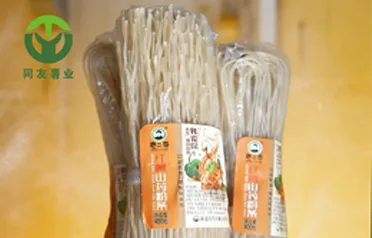
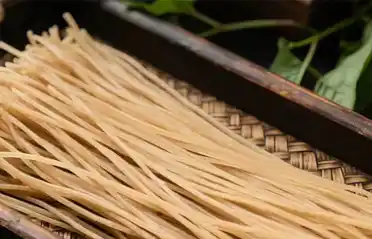
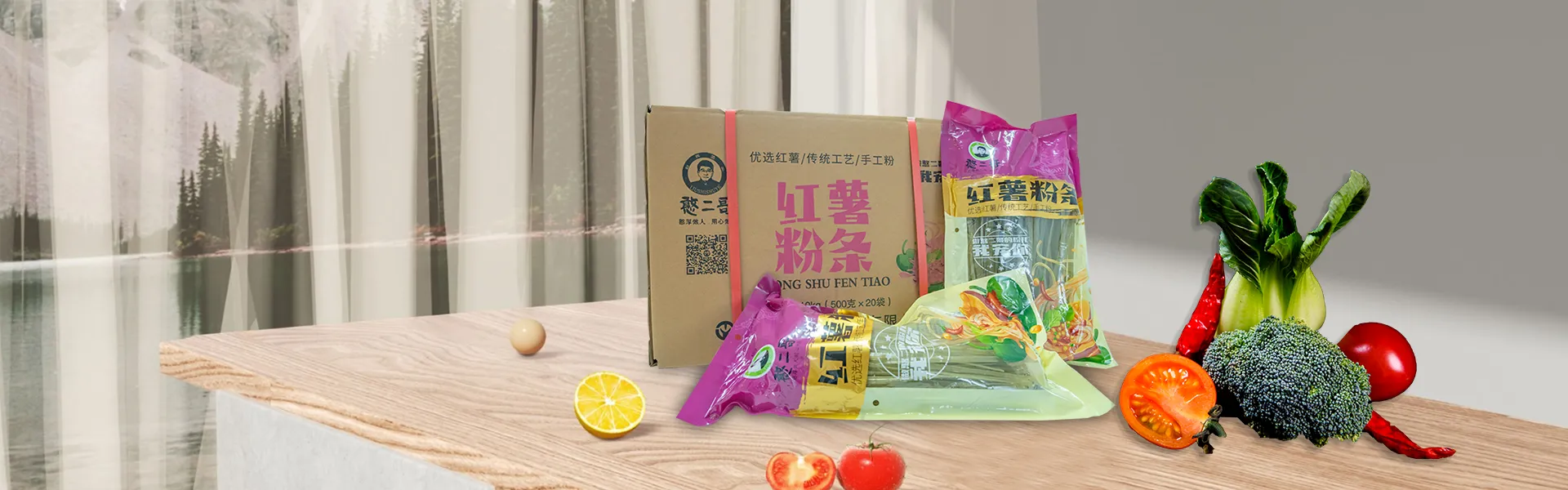
Bagged Sweet Potato and Yam Noodles have become a staple in kitchens that value health, convenience, and authentic taste. These noodles bring together the natural sweetness of sweet potatoes and the hearty texture of yams in a format that's ready to cook straight from the package. Whether you're stir-frying a quick weeknight dinner or preparing a cold noodle salad, this product delivers consistent quality without the need for peeling, slicing, or prolonged boiling.
The Tongyou Difference in Bagged Noodles
Tongyou doesn’t just private-label generic noodles. The brand operates its own R&D center attached to the production facility in Shandong, where food scientists run continuous tests on starch gelatinization curves and retrogradation rates. That technical focus means every bag delivers noodles that stay separate and chewy even after cooling—a common pain point with many sweet potato starch noodles that become brittle or sticky.
The selection of raw materials is rigorous. Sweet potatoes are sourced from contracted farms that maintain soil organic matter above 2.5%. Yam tubers are harvested at peak maturity, typically October through November, when their starch content is optimal for noodle processing. Upon arrival at the factory, each batch undergoes rapid starch analysis using near-infrared spectroscopy before being cleared for production.
Production Workflow Snapshot
- Washing and peeling: Automated drum washers followed by steam peeling to minimize flesh loss.
- Starch extraction: Multi-stage centrifugal separation, keeping temperature below 40°C to prevent pre-gelatinization.
- Dough mixing: Vacuum kneading with precise water-to-starch ratio, incorporating yam flour gradually for even distribution.
- Extrusion and forming: Twin-screw extruder with die plates customized to desired width and thickness; steam chest maintained at 98°C for consistent gelatinization.
- Cooling and cutting: Cold water cascade bath (12°C – 15°C) sets structure, followed by rotary blade cutting to calibrated lengths.
- Acid rinse and packaging: Food-grade lactic acid solution rinse adjusts surface pH, then vacuum sealing with nitrogen flushing to remove residual oxygen.
These steps ensure that the noodles in every bag meet the same cook time—typically 4 to 6 minutes in boiling water or 2 to 3 minutes if stir-frying directly from a pre-soaked state.
FAQ
What exactly is the difference between sweet potato noodles and yam noodles?
Both belong to the root vegetable starch noodle family, but they differ in raw material composition. Sweet potato noodles are made predominantly from sweet potato starch, giving them a slightly translucent, chewy texture and a subtle caramel-like note when cooked. Yam noodles (often called yam starch noodles) incorporate yam flour, which adds a denser, more opaque appearance and an earthier flavor. Tongyou’s bagged product combines the two to get the best of both: the springy elasticity of sweet potato starch and the nutritional depth and hearty mouthfeel from yam. This blend also improves the noodle’s ability to hold sauce without becoming soggy.
Are these noodles gluten-free?
Yes, they are completely gluten-free by formulation. The ingredients—sweet potato starch, yam flour, water, and salt—contain no wheat, rye, barley, or cross-contaminants. Tongyou’s facility maintains dedicated gluten-free production lines, and regular ELISA testing confirms gluten levels below 5 ppm, far stricter than the 20 ppm threshold for gluten-free labeling in most markets. Always check the bag for the certified gluten-free logo if you have celiac disease, but the standard Tongyou bagged noodle line is safe for gluten-sensitive individuals.
Can I eat these noodles on a low-carb or keto diet?
Sweet potato and yam noodles are starch-based, so they are not low-carbohydrate. A 100g serving contains approximately 33g of carbs, similar to whole wheat pasta. However, they have a lower glycemic index compared to many refined grain products because of their fiber content and the type of starch (resistant starch forms during cooling). They’re better suited for balanced eating plans rather than strict ketogenic regimens. If you’re managing blood sugar, pair them with plenty of non-starchy vegetables and a lean protein source to slow glucose absorption.
Is Tongyou’s bagged noodle product ready-to-eat or does it require cooking?
The noodles are not ready-to-eat straight from the bag; they require cooking. They are fully formed and set, but the starch needs to be gelatinized further through boiling or stir-frying to reach an edible texture. This is intentional—by leaving the final cooking step to you, the noodles retain maximum structural integrity and don’t become mushy in transit. Unlike instant noodle cups that are pre-fried and dehydrated, Tongyou’s packaging preserves the natural moisture content so the noodles cook quickly but are still raw in the bag.
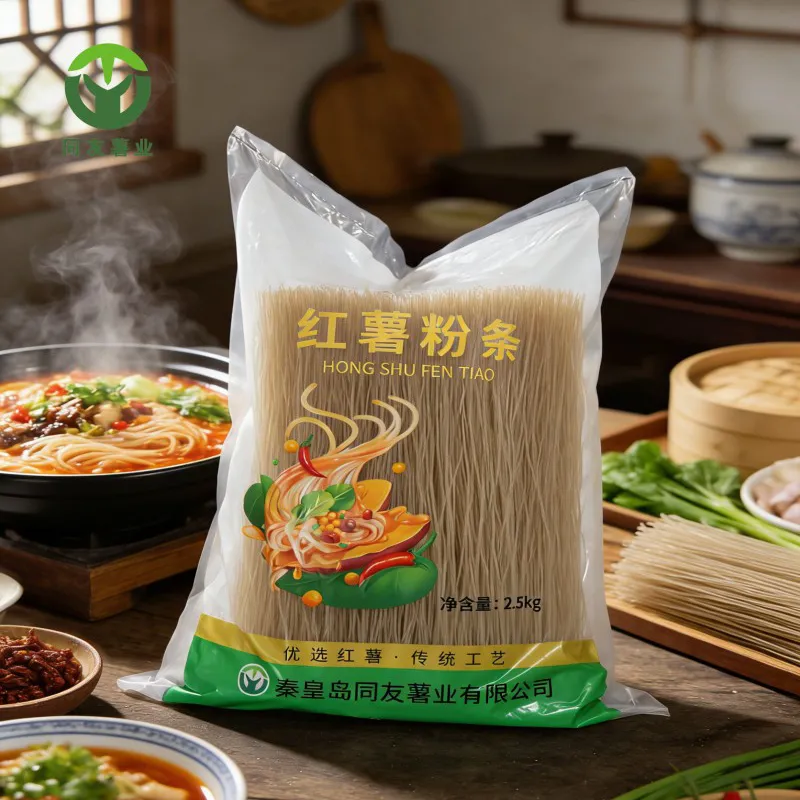
Why do the noodles appear slightly white or cloudy in the package?
That cloudiness is a sign of high-quality yam content and minimal chemical bleaching. Yam flour naturally contains more fiber and protein than pure sweet potato starch, which can cause light to scatter differently, creating a semi-opaque appearance. Some producers use chemical whiteners to achieve a perfectly clear noodle, but Tongyou avoids that. The color varies slightly by season depending on the yam harvest, but it doesn’t affect taste or texture. Once cooked, the noodles become more translucent and glossy.
What certifications guarantee the safety and quality of these noodles?
Tongyou’s noodle facility holds several international food safety certifications. The ISO 22000 system covers the entire supply chain from raw material sourcing to finished product dispatch. HACCP plans are in place for every critical control point, including starch pasteurization and metal detection. BRCGS certification at Grade AA confirms compliance with rigorous quality and hygiene standards recognized by global retailers. For export markets, Halal and Kosher certifications are maintained, and organic certification can be arranged for specific orders. Each bag carries a QR code that traces back to the production date and raw material batch.
Can I use these noodles in a cold dish without them sticking together?
Yes, and they perform remarkably well cold. The trick is to rinse them thoroughly under cold running water immediately after boiling to wash away surface starch, then drain well and toss with a small amount of oil (sesame, grapeseed, or chili oil). The acid rinse step during production helps reduce sticking, but a final cold rinse at home ensures perfect separation. Many caterers rely on Tongyou’s 1.8mm thin cut for noodle salads because the strands remain distinct even after hours of refrigeration.
- View as
400g Bag Sweet Potato and Yam Glass Noodles
Tongyou's 400g Bag Sweet Potato and Yam Glass Noodles are a visual masterpiece for creative cooking. Perfect for colorful salads, Thai fusion dishes, and artistic plating, they boast exceptional transparency and a sleek, glossy finish. As an innovative manufacturer, we craft noodles that enhance the visual appeal of any dish. Buy now for a stunning presentation!
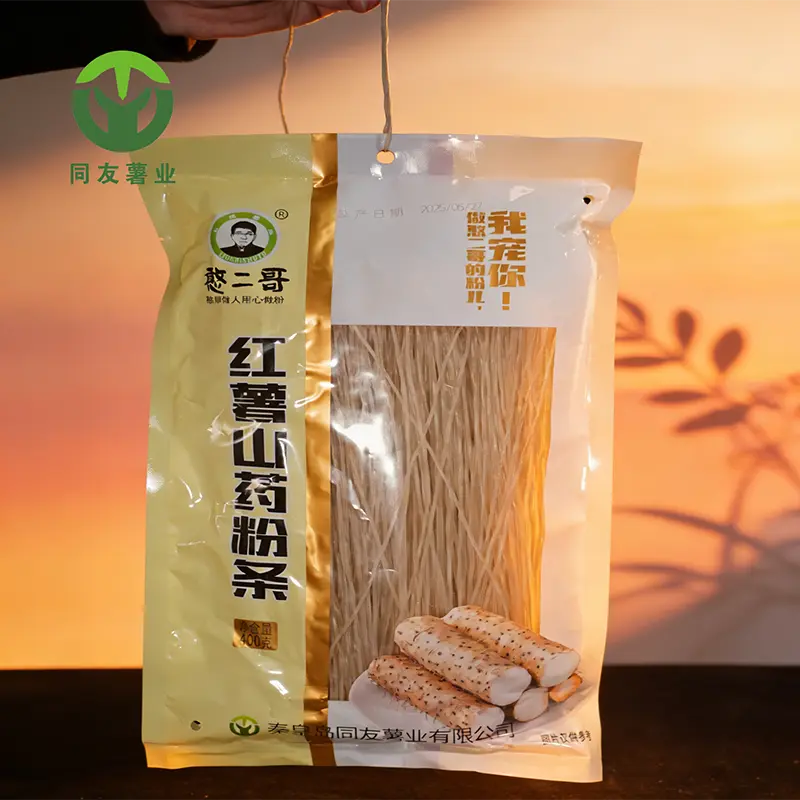
400g Bag Sweet Potato and Nagaimo Noodles
Introduce a rare, high-margin gourmet masterpiece to your upscale food portfolio with Tongyou's 400g Bag Sweet Potato and Nagaimo Noodles. Expertly infusing the pristine starch of premium sweet potatoes with authentic Japanese Mountain Yam extract, these luxury noodles offer a sophisticated "crunchy-chewy" textural contrast highly coveted in modern fine dining. Packaged in a durable, shelf-stable, and retail-ready 400g pouch, this exotic functional starch line completely eliminates shelf-breakage risks while targeting affluent culinary demographics. As a specialized China manufacturer, Tongyou provides factory-direct wholesale pricing, robust OEM branding, and full international food safety compliance to help specialty importers capture maximum luxury market margins.
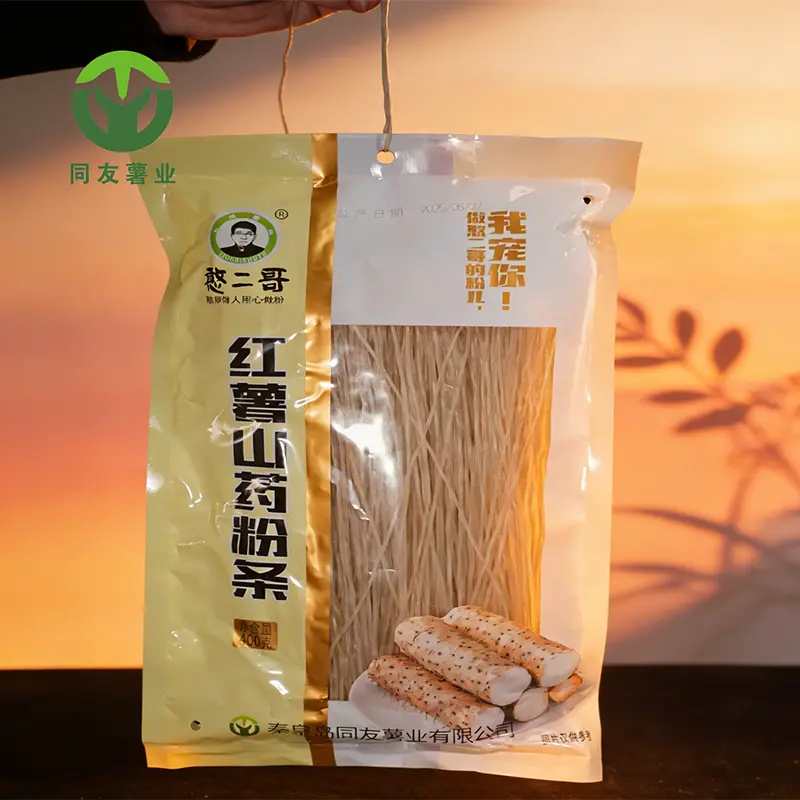
400g Bag Sweet Potato and Chinese Yam Vermicelli
Tongyou's 400g Bag Sweet Potato and Chinese Yam Vermicelli are a functional food powerhouse. Perfect for medicinal soups, recovery meals, and digestive health support, they leverage the ancient properties of Chinese Yam. As a specialized manufacturer, we preserve the bioactive nutrients through gentle processing. Buy now for a truly restorative culinary ingredient!
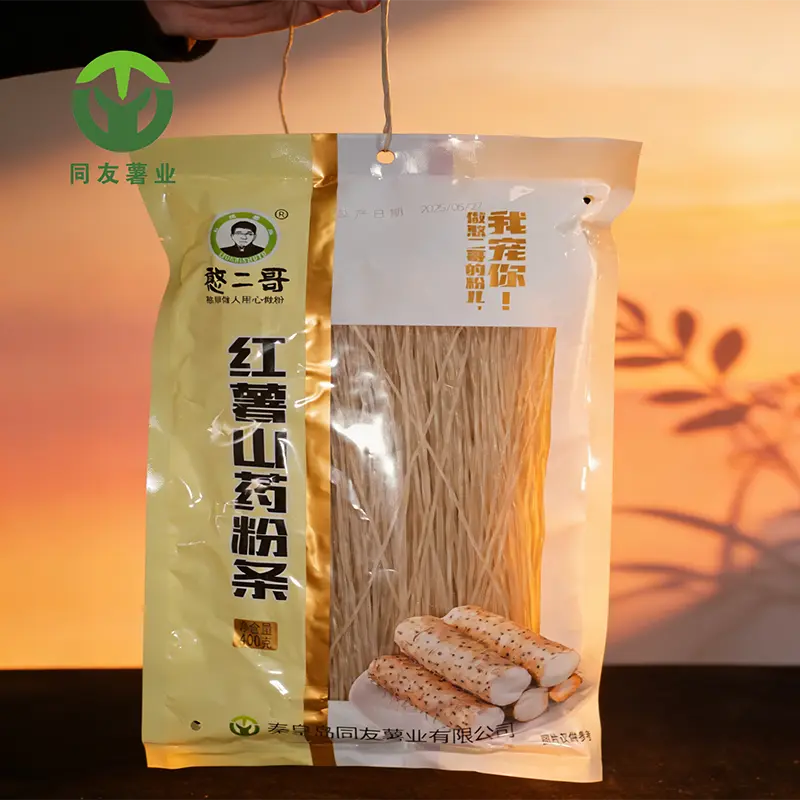
400g Bag Sweet Potato and Yam Noodles
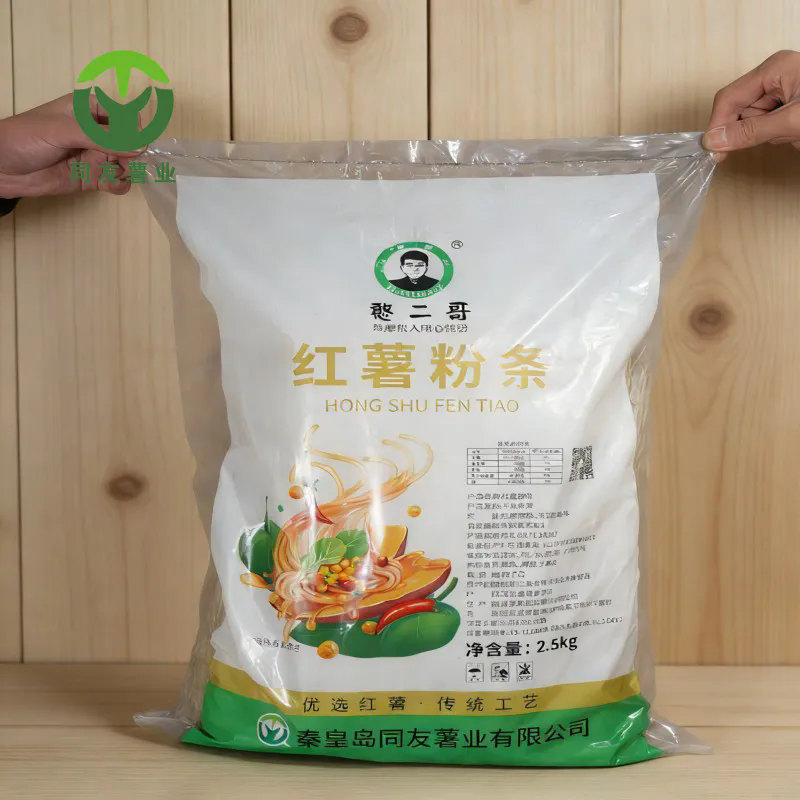
Streamline your retail catalog with a high-turnover, nutrient-dense pantry essential engineered for the fast-paced modern lifestyle. Tongyou's 400g Bag Sweet Potato and Yam Noodles combine the natural digestive benefits of authentic Chinese yam with the premium elasticity of pure sweet potato starch. Unlike traditional fragile bundles that break easily on shelves, our user-friendly, moisture-proof bag packaging is perfectly portioned for standard families of three to four, guaranteeing ultimate freshness and effortless storage. As a leading China manufacturer, we offer factory-direct wholesale pricing and flexible OEM solutions, making this premium carbohydrate choice a reliable favorite for international supermarkets, convenience stores, and online e-commerce platforms.
Tongyou offers Bagged Sweet Potato and Yam Noodles with consistent quality, flexible solutions and wholesale support, contact us for your purchase needs.