Company News
 12 2026-10
Why Do South Korean Buyers Import Sweet Potato Starch from Lulong? A Look at the Loading and Shipment Process at Tongyou Potato Industry
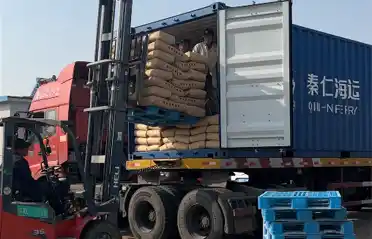
Recently, at the facility of Qinhuangdao Tongyou Potato Industry Co., Ltd. in Lulong, Hebei, a dark blue container truck bearing the "Qinren Shipping" logo was being loaded for export. A Heli forklift lifted pallets of finished goods—packed in woven bags—while workers neatly stacked them inside the container; the container was then sealed, ready for shipment to South Korea. For South Korean manufacturers of glass noodles and other food products—who constantly seek stable supplies of potato-based raw materials—the key question is: why source this batch of sweet potato starch from Lulong, China, rather than other production regions?
 09 2026-10
How Can Sweet Potato Vermicelli Processors Cut Costs and Boost Efficiency? Qinhuangdao Tongyou Potato Industry Solves Energy Consumption Challenges with Thermal Energy Storage
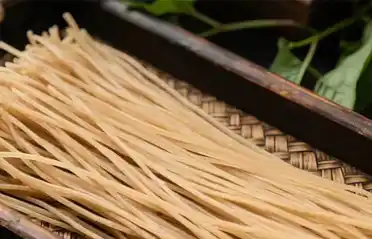
Amid the ongoing push for "Dual Carbon" goals and policies controlling both total energy consumption and energy intensity, traditional agricultural product processing enterprises face dual pressures regarding environmental compliance and cost control. For industries like sweet potato vermicelli production—which require continuous heat supply for processes such as starch slurry cooking, gelatinization, and drying—reducing energy expenditure while maintaining product quality is a critical challenge. Recently, Qinhuangdao Tongyou Potato Industry Co., Ltd., a company with over thirty years of experience in sweet potato processing, installed new thermal energy storage equipment, offering a practical model for energy-saving upgrades within the industry.
 30 2026-09
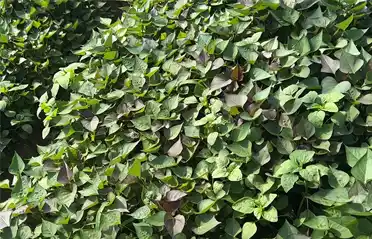
How to Source Pure Sweet Potato Vermicelli? Tongyou's Own Farming Base
For food distributors, importers, and food-service buyers, finding a trustworthy supply of sweet potato vermicelli is a recurring headache. The market is flooded with products cut with corn starch or other fillers, and labeling rarely tells the full story about where the raw material actually came from. The real question is not just price, but whether the producer can trace every bag back to a known, controlled source.
 28 2026-09
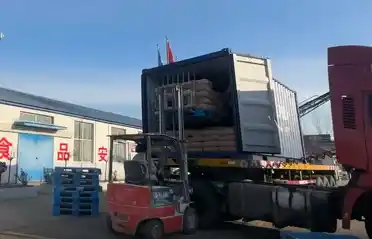
Qinhuangdao Tongyou Potato Industry Ships 10 Containers of Export Sweet Potato Starch to South Korea
The factory yard of Qinhuangdao Tongyou Potato Industry Co., Ltd. has been bustling recently, as a forklift smoothly loads pallet after pallet of bagged food-grade sweet potato starch into shipping containers. This shipment consists of 10 containers in total, bound for the South Korean market.
 23 2026-09
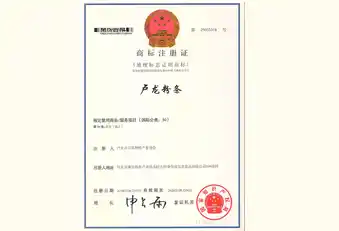
With "Lulong Vermicelli" securing a Geographical Indication (GI) certification mark, what added assurance do overseas buyers gain when selecting sweet potato vermicelli?
The "Lulong Vermicelli" GI certification mark is increasingly attracting the attention of overseas buyers. Registered by the Lulong County Sweet Potato Planting Industry Association for use on Class 30 vermicelli products, the mark was registered in August 2018 and remains valid until August 2028. For importers, this certificate is far more than a mere decorative plaque; it represents an extra layer of assurance in their product selection process and makes production-area facilities—such as Qinhuangdao Tongyou Potato Industry Co., Ltd.—more easily identifiable to overseas buyers. It is worth examining exactly what this mark guarantees, particularly for buyers who prioritize the origin and quality of sweet potato vermicelli.
 21 2026-09
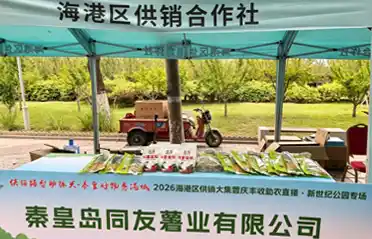
Tired of Blended Sweet Potato Starch? Visit Tongyou at 2026 Fair
This autumn, the New Century Park in Haigang District, Qinhuangdao, buzzes with a special market. Under the theme "Supply and Marketing Builds the Stage to Boost Rural Revitalization," the 2026 Haigang Supply and Marketing Fair, paired with a harvest-season agriculture-helping livestream, brings local producers face to face with buyers. Among the booths stands Qinhuangdao Tongyou Potato Industry Co., Ltd., showcasing bags of authentic sweet potato starch and vermicelli made in Lulong, known nationwide as "China's Sweet Potato Hometown.