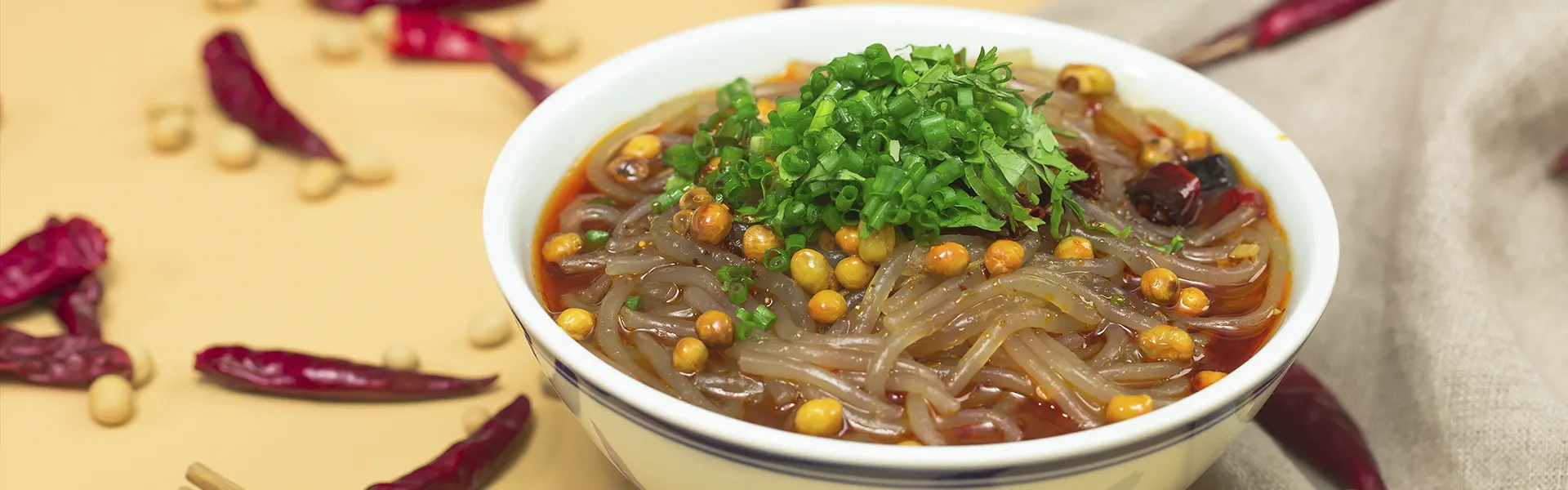
With "Lulong Vermicelli" securing a Geographical Indication (GI) certification mark, what added assurance do overseas buyers gain when selecting sweet potato vermicelli?
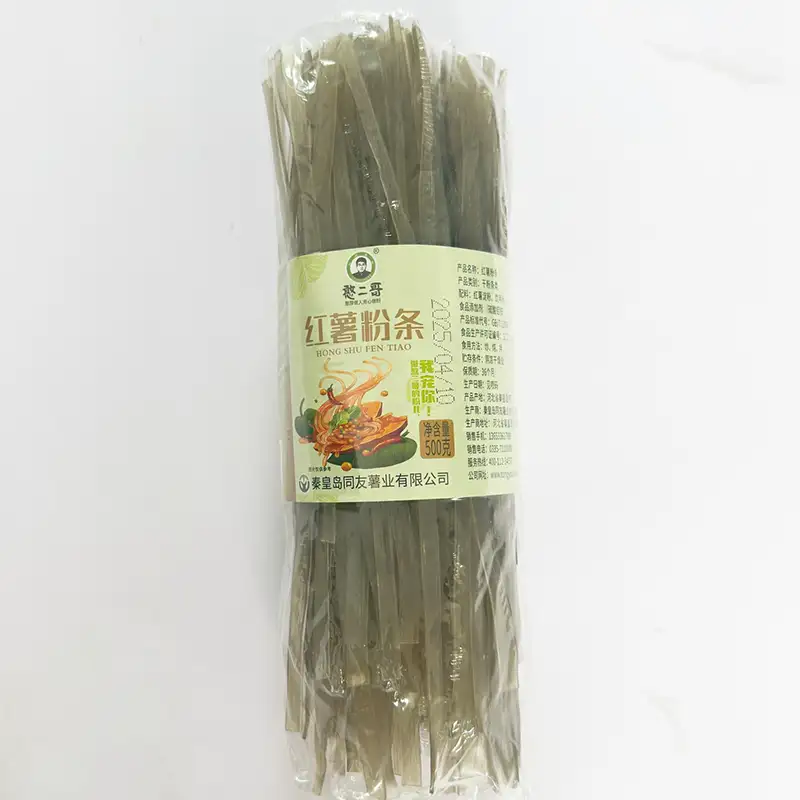
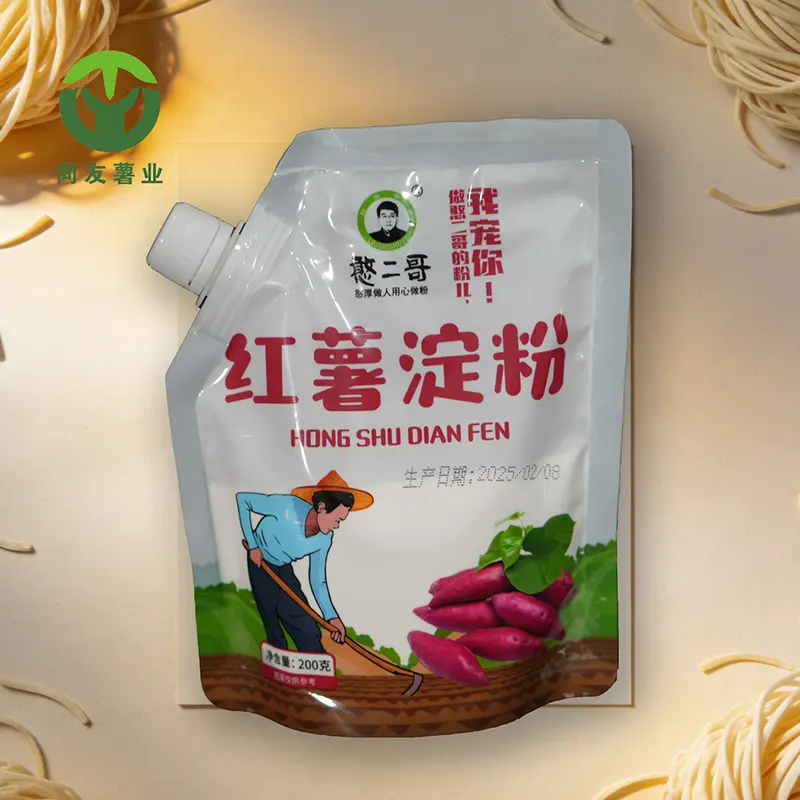
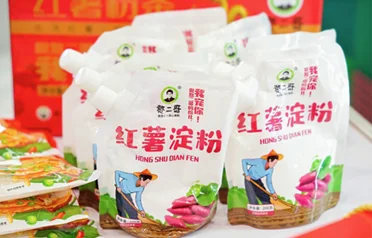
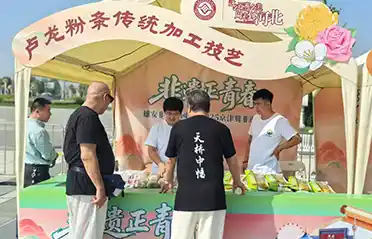
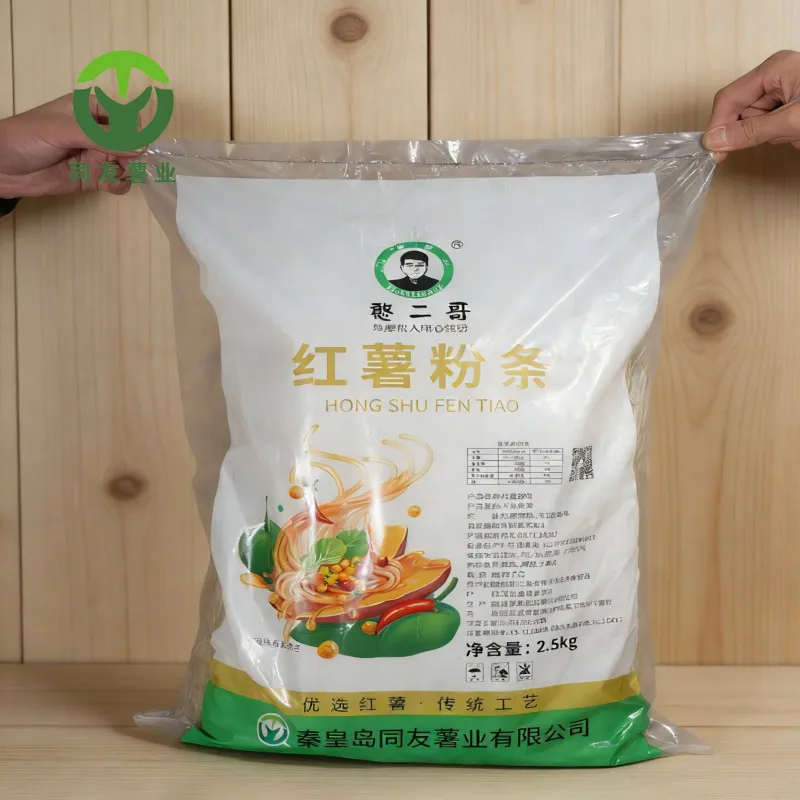
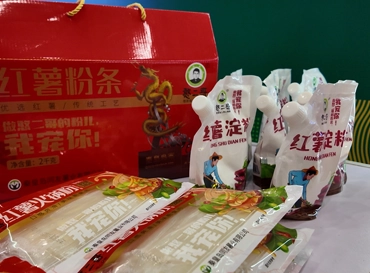
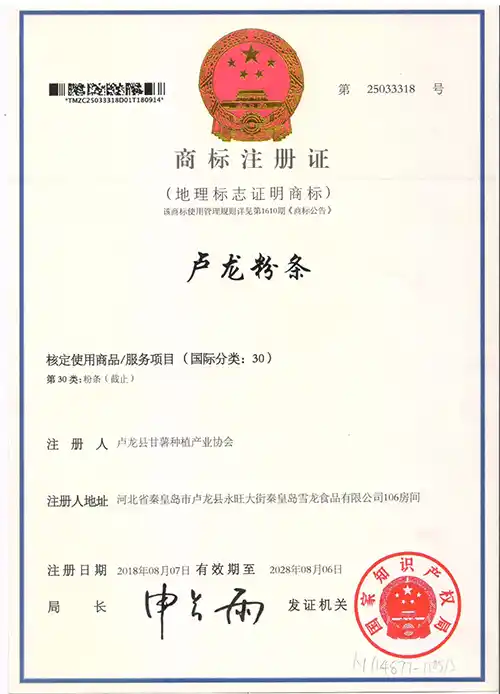
The "Lulong Vermicelli" GI certification mark is increasingly attracting the attention of overseas buyers. Registered by the Lulong County Sweet Potato Planting Industry Association for use on Class 30 vermicelli products, the mark was registered in August 2018 and remains valid until August 2028. For importers, this certificate is far more than a mere decorative plaque; it represents an extra layer of assurance in their product selection process and makes production-area facilities—such as Qinhuangdao Tongyou Potato Industry Co., Ltd.—more easily identifiable to overseas buyers. It is worth examining exactly what this mark guarantees, particularly for buyers who prioritize the origin and quality of sweet potato vermicelli.
Assurance 1: A defined geographical boundary for the product's origin
Many mistakenly believe a geographical indication is simply an honor applied for by individual companies; in reality, it is a set of binding rules regarding origin, held by a local industry association and registered specifically in Lulong, Hebei. Products bearing the "Lulong Vermicelli" mark must meet strict requirements regarding raw materials, production processes, and origin—all of which must fall within the designated area. For buyers, "Lulong" is no longer just a place name that can be used arbitrarily; they now have an official benchmark to verify whether the goods actually originate from the designated production zone.
Assurance 2: Mandatory review for the mark's use on packaging
The key to this layer of assurance lies in the word "certification." The mark is not the exclusive property of a single enterprise but is available to qualified producers within the region; the association reviews each producer against public criteria, authorizing use only after confirming the use of local sweet potatoes and compliance with processing standards. Because the mark entails strict entry requirements, an overseas buyer asking "Who authorized this mark?" receives a far more reliable answer than simply hearing a merchant claim their product is "authentic."
Assurance 3: Quality risks filtered out at the procurement stage
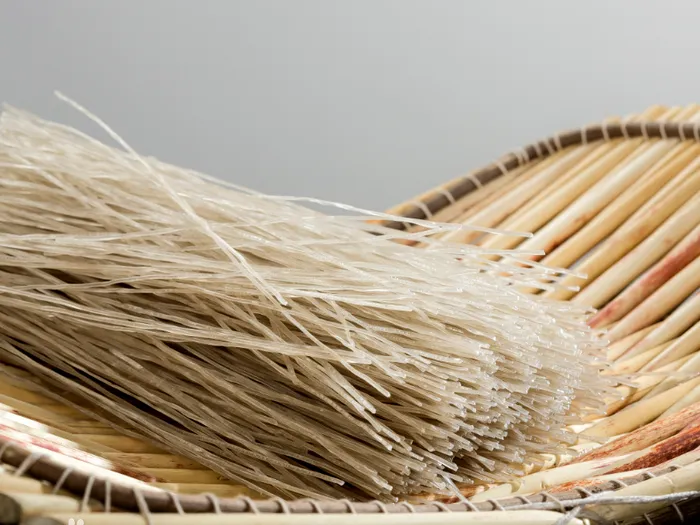
Overseas buyers seek products that generate repeat orders. Lulong’s sandy loam soil and significant diurnal temperature variation determine the starch characteristics of local sweet potatoes—factors that give the vermicelli its ability to remain firm and clear (without clouding the water) even after prolonged boiling. With these standards in place, buyers gain an additional dimension for evaluation beyond mere price comparison: whether the product truly originates from the designated production area. Incorporating this requirement into procurement standards makes it possible to eliminate the risk of starch from other regions being passed off as the authentic product before shipment even takes place.
How Tongyou Potato Industry translates this safeguard into actual orders
Qinhuangdao Tongyou Potato Industry Co., Ltd., based in Lulong, is situated right within this production region. A factory located in the production zone offers advantages at both ends of the supply chain: on one side, it connects to local sweet potato cultivation, ensuring raw material traceability; on the other, it links to export-oriented processing, allowing for customization of noodle thickness, moisture content, packaging, and delivery schedules to meet client specifications. For buyers weary of inconsistent batch quality, prioritizing products from Geographical Indication (GI) regions and partnering with reliable local factories remains the most practical way to secure a stable supply of sweet potato vermicelli.
Related News
- Where Is Sweet Potato Starch Used? Qinhuangdao Tongyou Potato Industry Explores Its Applications
- How to Choose Sweet Potato Starch and Sweet Potato Vermicelli with Confidence? A Visit to Qinhuangdao Tongyou Potato Industry Co., Ltd.
- Why Do South Korean Buyers Import Sweet Potato Starch from Lulong? A Look at the Loading and Shipment Process at Tongyou Potato Industry
- How Can Sweet Potato Vermicelli Processors Cut Costs and Boost Efficiency? Qinhuangdao Tongyou Potato Industry Solves Energy Consumption Challenges with Thermal Energy Storage
- How to Source Pure Sweet Potato Vermicelli? Tongyou's Own Farming Base
- Qinhuangdao Tongyou Potato Industry Ships 10 Containers of Export Sweet Potato Starch to South Korea
Leave me a message