Why Do South Korean Buyers Import Sweet Potato Starch from Lulong? A Look at the Loading and Shipment Process at Tongyou Potato Industry
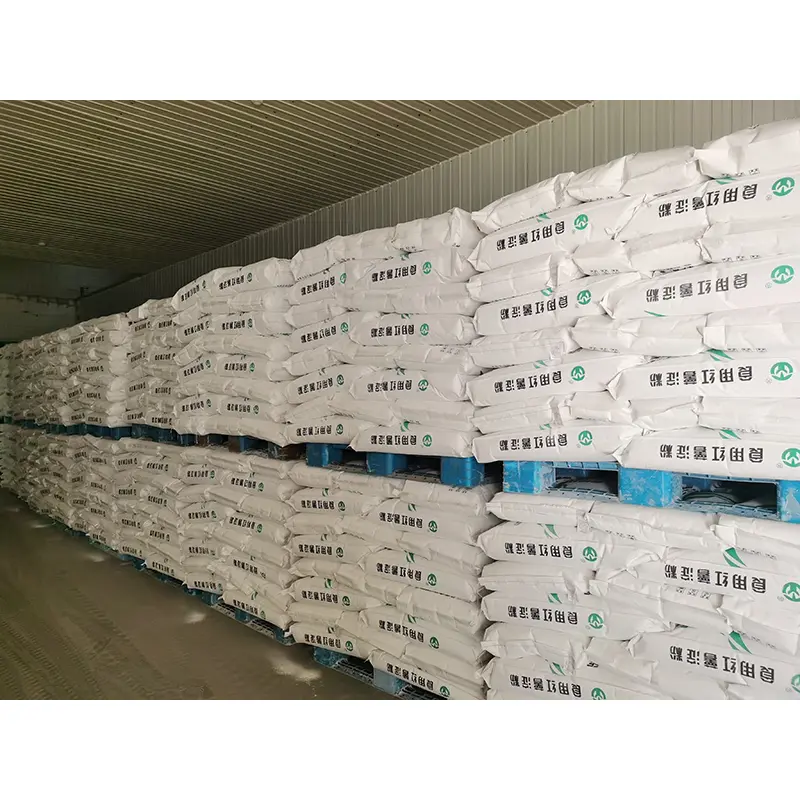
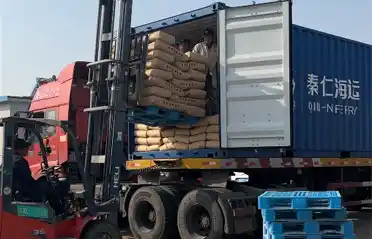
Recently, at the facility of Qinhuangdao Tongyou Potato Industry Co., Ltd. in Lulong, Hebei, a dark blue container truck bearing the "Qinren Shipping" logo was being loaded for export. A Heli forklift lifted pallets of finished goods—packed in woven bags—while workers neatly stacked them inside the container; the container was then sealed, ready for shipment to South Korea. For South Korean manufacturers of glass noodles and other food products—who constantly seek stable supplies of potato-based raw materials—the key question is: why source this batch of sweet potato starch from Lulong, China, rather than other production regions?
Why the South Korean Market Continues to Import from Lulong
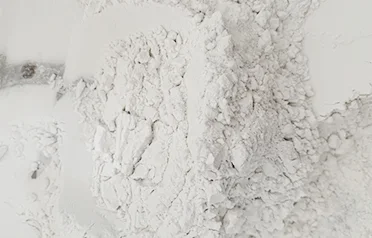
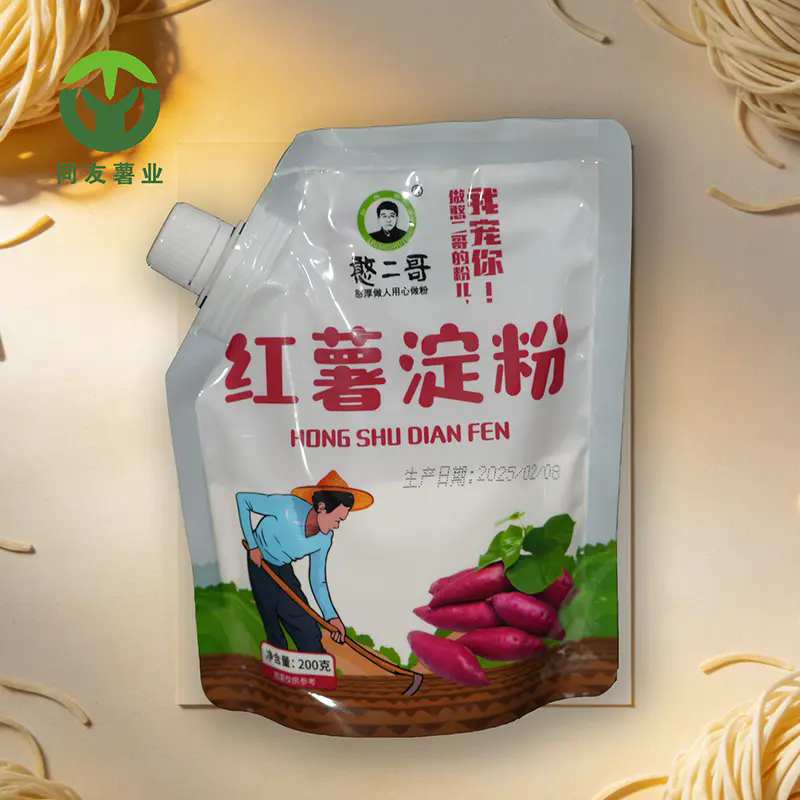
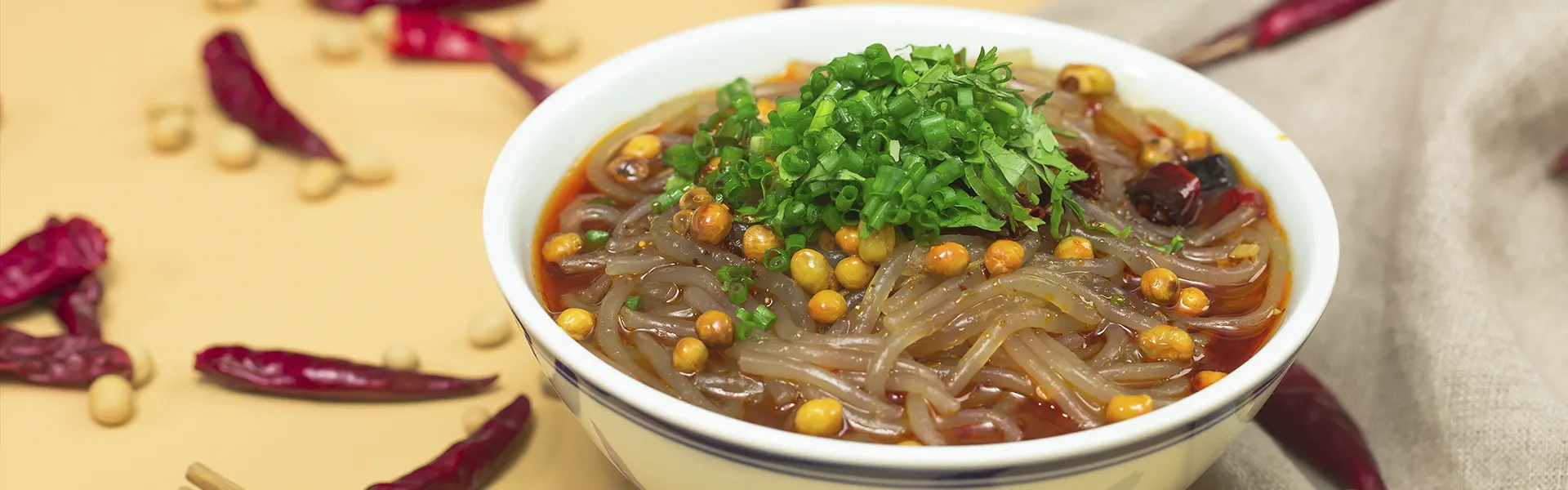
South Korea’s production of glass noodles, frying batters, and meat coatings relies heavily on potato starch; however, domestic output is constrained by limited arable land and seasonal factors, necessitating long-term imports to meet demand. Among the various sources, Lulong in Hebei stands out as a traditional sweet potato production hub situated at the southern foot of the Yanshan Mountains and within the Luanhe River basin. The region’s sandy loam soil offers excellent aeration, and the significant diurnal temperature difference ensures a consistent starch yield from fresh sweet potatoes. The starch produced here boasts high viscosity, becomes transparent and glossy upon gelatinization, and resists water separation upon cooling—qualities that perfectly align with South Korean glass noodle manufacturers' requirements for noodles that remain firm and intact even after prolonged boiling. Tongyou Potato Industry processes fresh sweet potatoes locally—handling approximately 30,000 tons annually—thereby preserving freshness right from the source; this practice is a key point of verification for overseas clients during factory inspections. The Loading and Shipping Process for a Bag of Export-Grade Starch
This shipment involves more than just "loading and leaving"; it adheres to standard operating procedures for export food ingredients:
Warehouse Release Verification: Quality control personnel cross-check batch numbers, specifications, and net weights against the packing list, ensuring consistency with the export invoice and certificate of origin.
Palletization: Finished products in 25kg woven bags are stacked onto blue pallets; forklifts load the pallets into the container, where workers adjust the spacing and flatten the load.
Seal Handover: A seal is applied after the container doors are closed, and the seal number is recorded on the bill of lading, allowing the overseas consignee to verify that the container remained unopened during transit.
The pallet-and-container method is designed to minimize the risks of moisture damage and bag breakage during ocean transport—a critical requirement for raw materials entering South Korean food processing facilities with strict hygiene standards.
Tongyou Potato Industry’s Export Delivery Capabilities
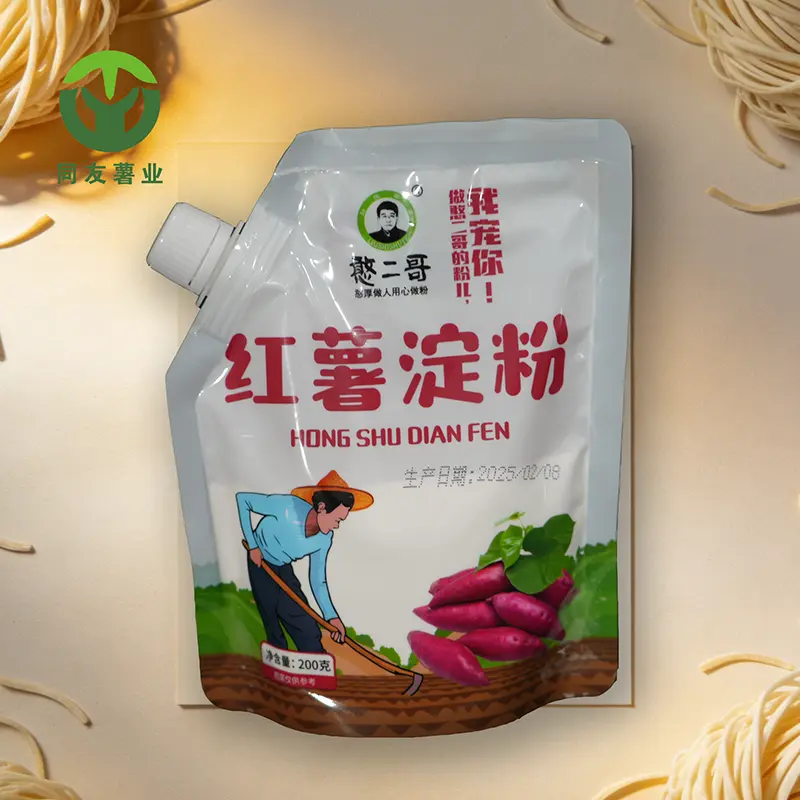
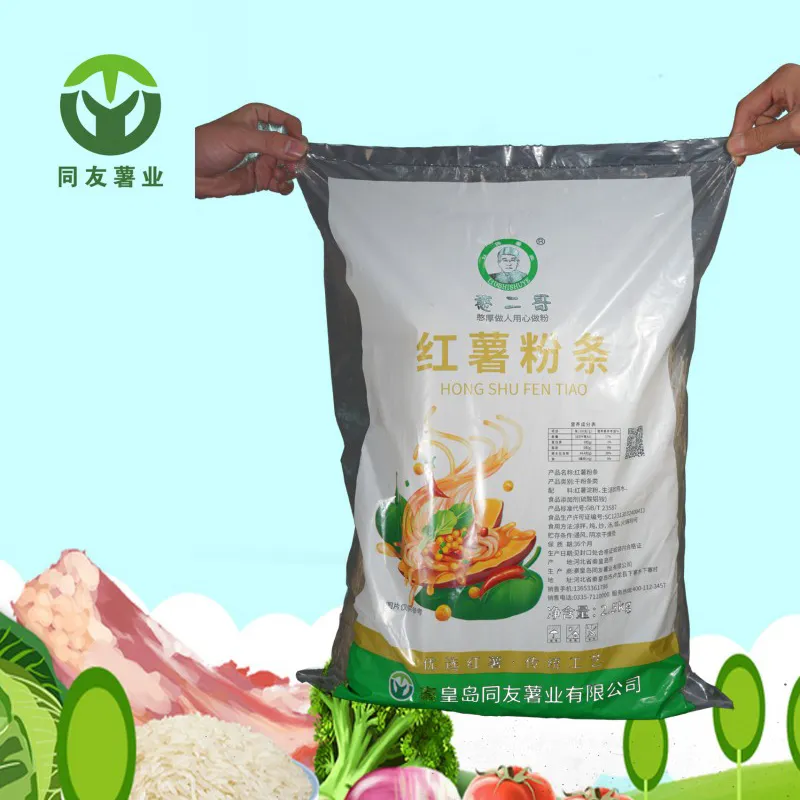
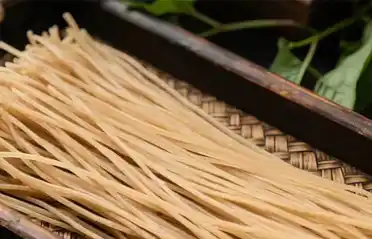
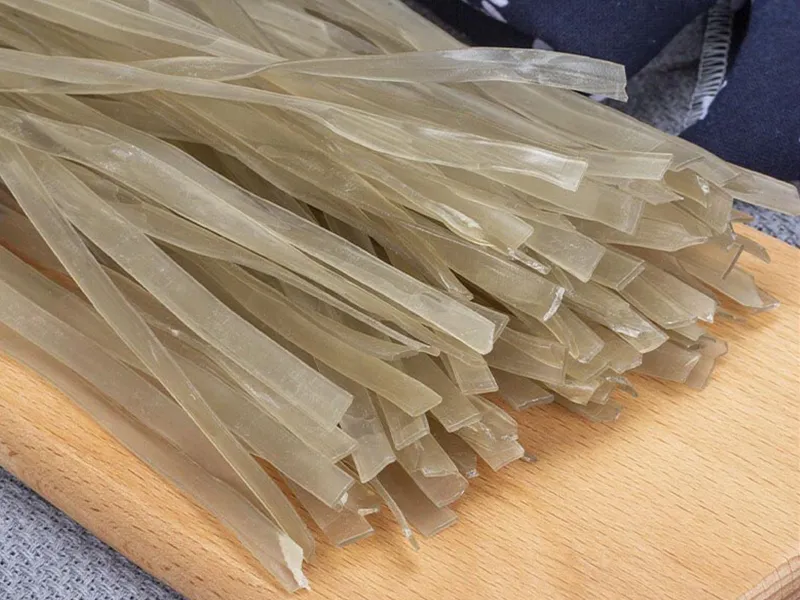
Qinhuangdao Tongyou Potato Industry covers an area of approximately 66,600 square meters and boasts an annual processing capacity of 7,000 tons of starch and 6,000 tons of vermicelli. Beyond serving domestic markets, the company consistently exports to South Korea, Vietnam, Australia, and other regions, and has been recognized as a national-level technology-based SME and a provincial-level industrial R&D center. The production facility utilizes a large-scale multi-stage cyclone washing and purification process, ensuring minimal fluctuation in whiteness and viscosity between batches. All raw materials are sourced from local sweet potatoes, with no blending of cassava or corn starch. Each shipment includes a factory inspection report to assist customers with South Korean import declarations.
A routine loading and shipping operation reflects the company's integrated strengths in raw material sourcing, processing technology, quality control, and documentation. Choosing a source manufacturer like Tongyou Potato Industry—rooted in Lulong with a proven track record of exports—ensures greater delivery reliability than simply comparing prices; ultimately, a single bag of high-quality sweet potato starch is backed by the integrity of the entire supply chain.
Related News
- Where Is Sweet Potato Starch Used? Qinhuangdao Tongyou Potato Industry Explores Its Applications
- How to Choose Sweet Potato Starch and Sweet Potato Vermicelli with Confidence? A Visit to Qinhuangdao Tongyou Potato Industry Co., Ltd.
- How Can Sweet Potato Vermicelli Processors Cut Costs and Boost Efficiency? Qinhuangdao Tongyou Potato Industry Solves Energy Consumption Challenges with Thermal Energy Storage
- How to Source Pure Sweet Potato Vermicelli? Tongyou's Own Farming Base
- Qinhuangdao Tongyou Potato Industry Ships 10 Containers of Export Sweet Potato Starch to South Korea
- With "Lulong Vermicelli" securing a Geographical Indication (GI) certification mark, what added assurance do overseas buyers gain when selecting sweet potato vermicelli?
Leave me a message