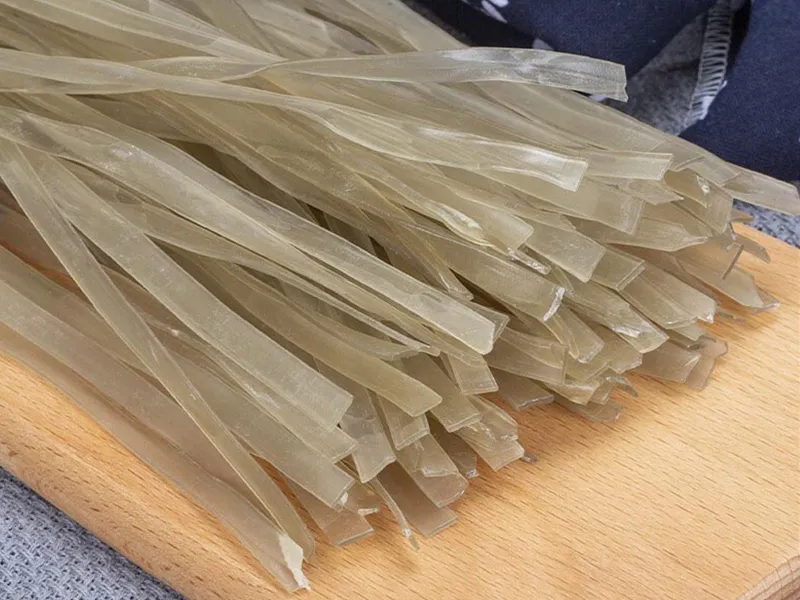
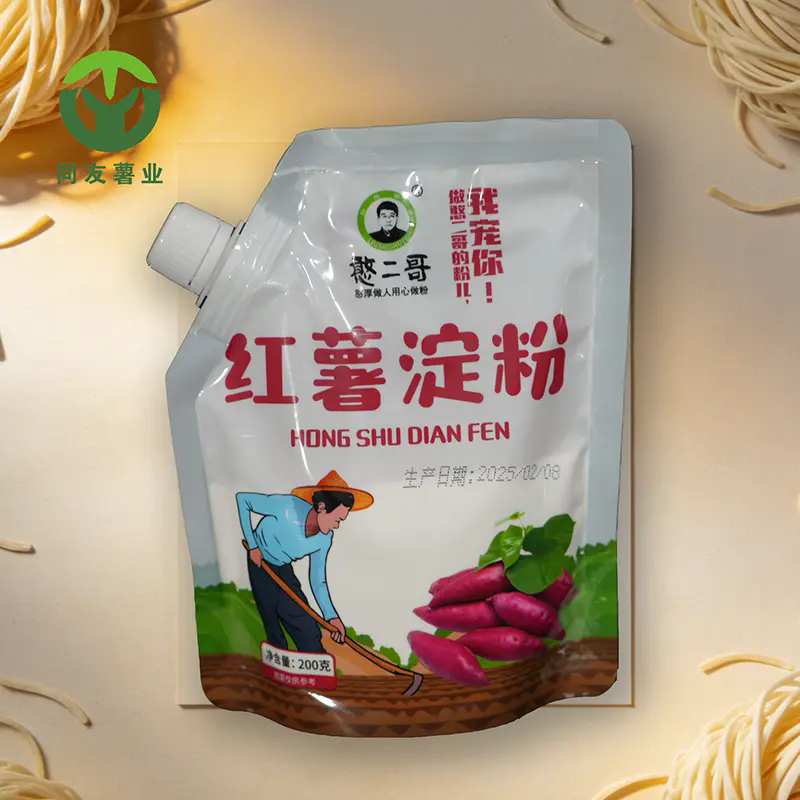
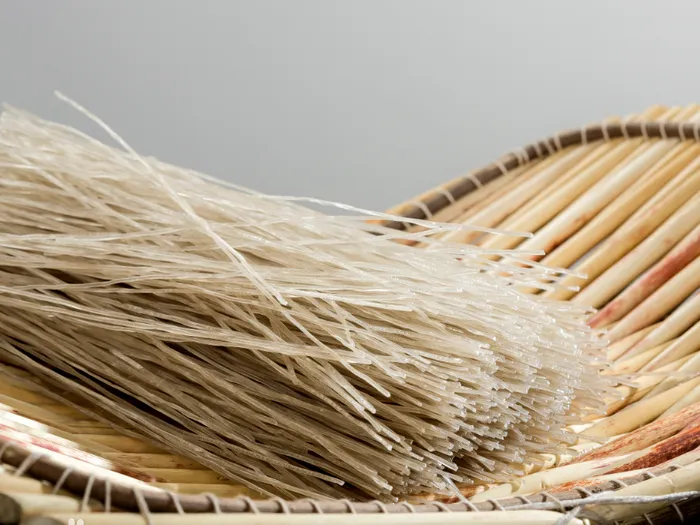
The Science: Sweet potato starch is rich in resistant starch. Upon cooking and subsequent cooling, the starch undergoes retrogradation, slowing down digestion and absorption; this results in a much slower rise in blood sugar levels compared to white rice or white wheat noodles.
Comparative Reference
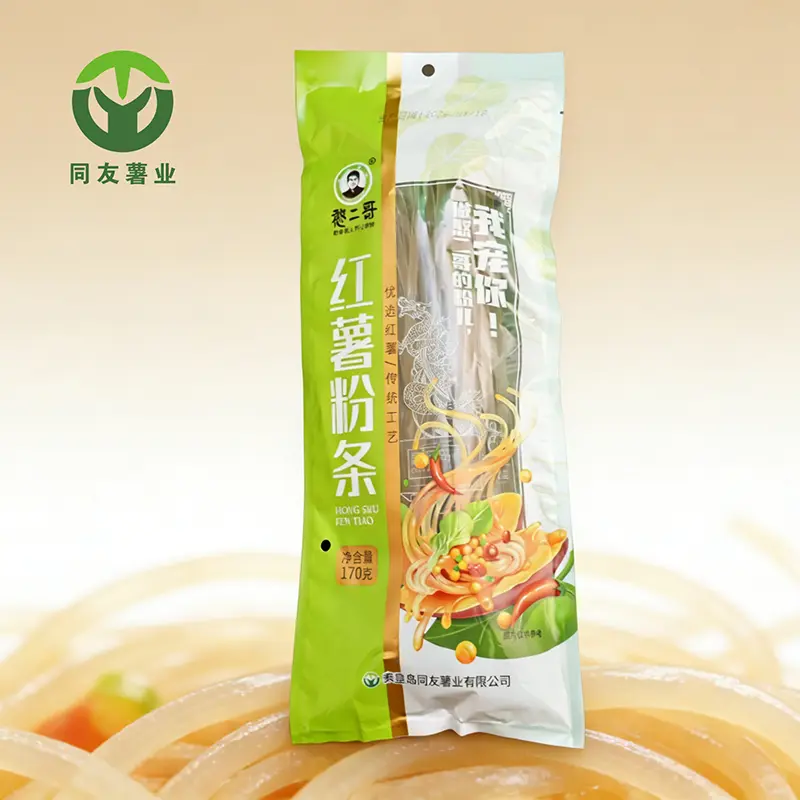
Pure sweet potato vermicelli: GI 54 (Low GI)
White rice: GI 83
Wheat noodles: GI 73
Key Tips for Blood Sugar Control
Portion control: Limit dry vermicelli to no more than 50g per serving and include it in your total daily intake of staple carbohydrates;
Avoid eating it alone on an empty stomach; consume leafy greens and eggs or lean meat first to help moderate the post-meal blood sugar spike;
Do not keep it warm for extended periods after cooking; allowing it to cool slightly increases resistant starch content and lowers the GI;
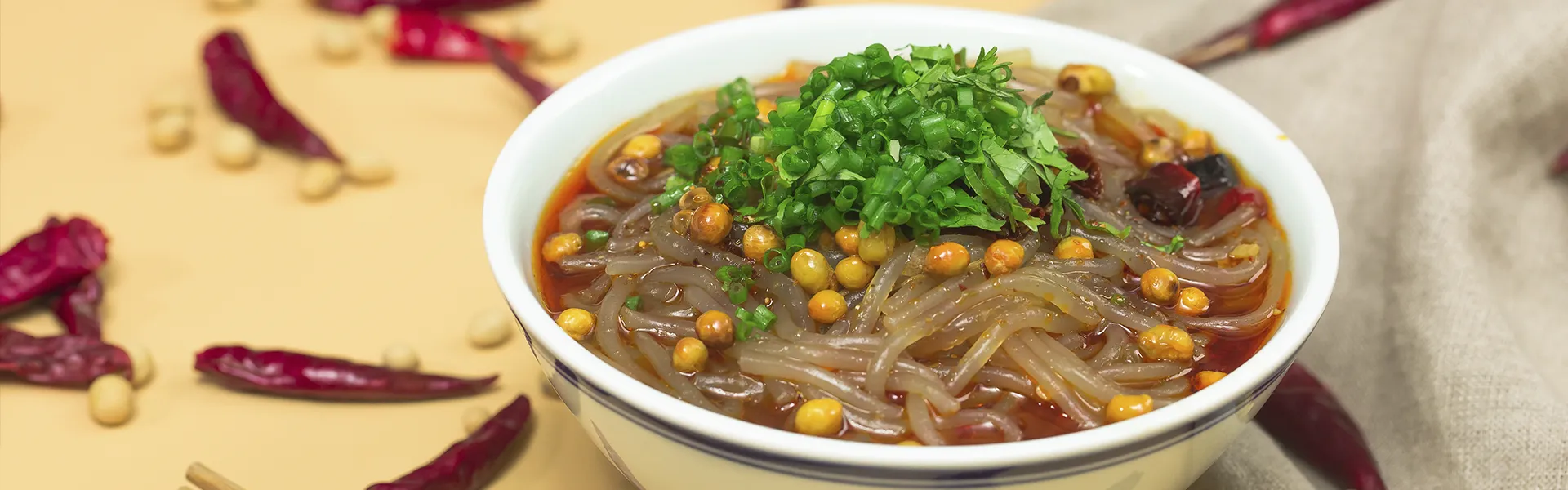
Avoid dishes like "Hot and Sour Sweet Potato Noodles" (Suan La Fen) or sweet potato noodles in sugary syrup, which often contain excessive sugar and oil.
We use cookies to offer you a better browsing experience, analyze site traffic and personalize content. By using this site, you agree to our use of cookies. Privacy Policy