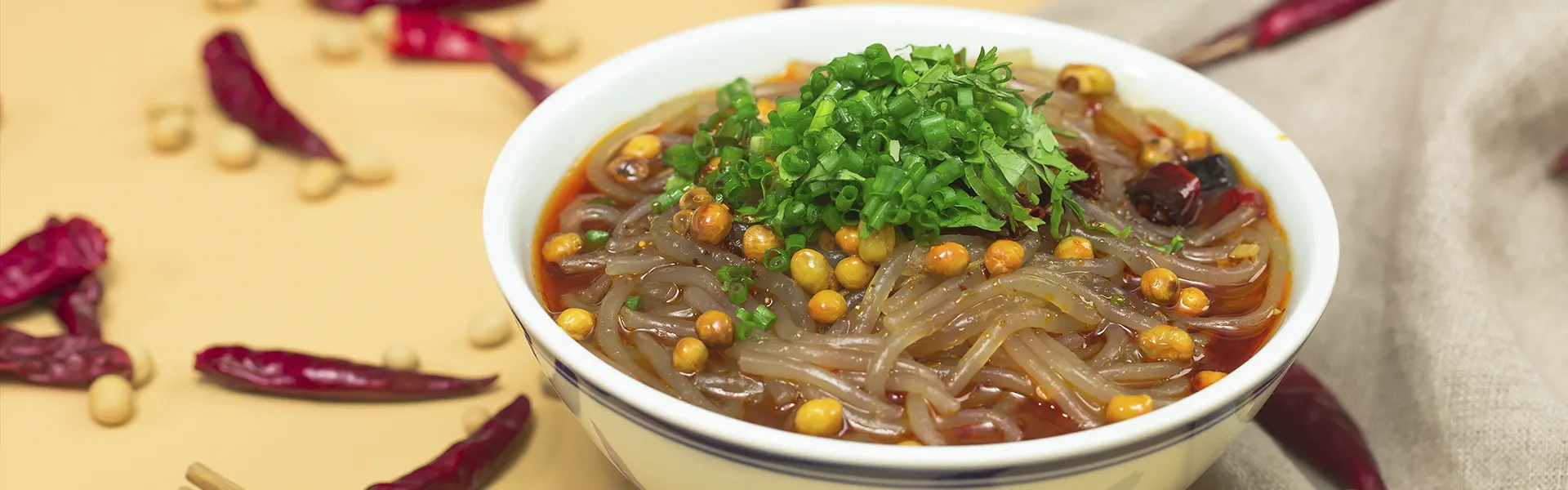
How Can Sweet Potato Vermicelli Processors Cut Costs and Boost Efficiency? Qinhuangdao Tongyou Potato Industry Solves Energy Consumption Challenges with Thermal Energy Storage
Amid the ongoing push for "Dual Carbon" goals and policies controlling both total energy consumption and energy intensity, traditional agricultural product processing enterprises face dual pressures regarding environmental compliance and cost control. For industries like sweet potato vermicelli production—which require continuous heat supply for processes such as starch slurry cooking, gelatinization, and drying—reducing energy expenditure while maintaining product quality is a critical challenge. Recently, Qinhuangdao Tongyou Potato Industry Co., Ltd., a company with over thirty years of experience in sweet potato processing, installed new thermal energy storage equipment, offering a practical model for energy-saving upgrades within the industry.
Energy Consumption Pain Points in Vermicelli Processing
Sweet potato vermicelli production is a process heavily reliant on high temperatures; stable heat sources are required at every stage, from processing fresh sweet potatoes to drying and shaping the final product. Traditional production lines often rely on coal-fired boilers or direct electric heating, methods characterized by low efficiency and significant environmental compliance pressure. Industry data indicates that energy costs typically account for 15%–25% of total processing costs, with the drying stage representing the largest share. With the widening gap between peak and off-peak electricity prices and increasingly strict emission standards, enterprises urgently need a technical solution that is both compliant and cost-effective.
Analysis of Tongyou Potato Industry’s Thermal Energy Storage Solution
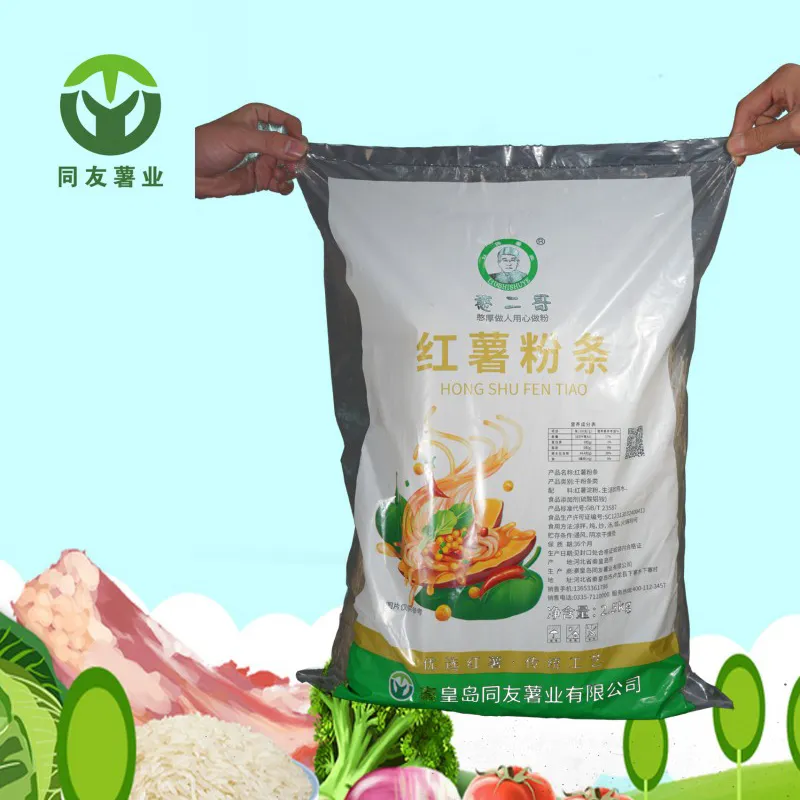
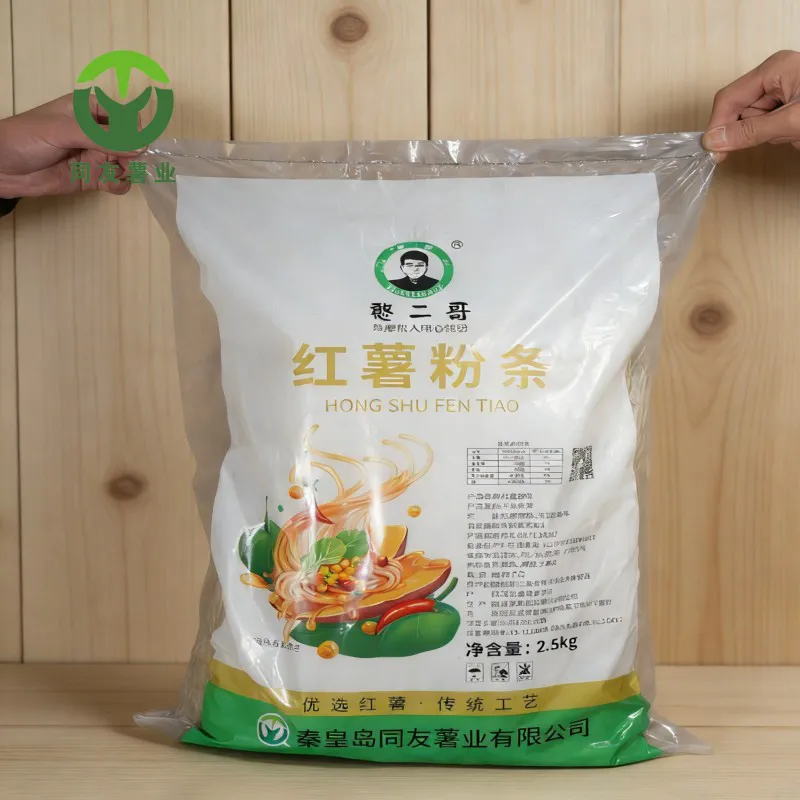
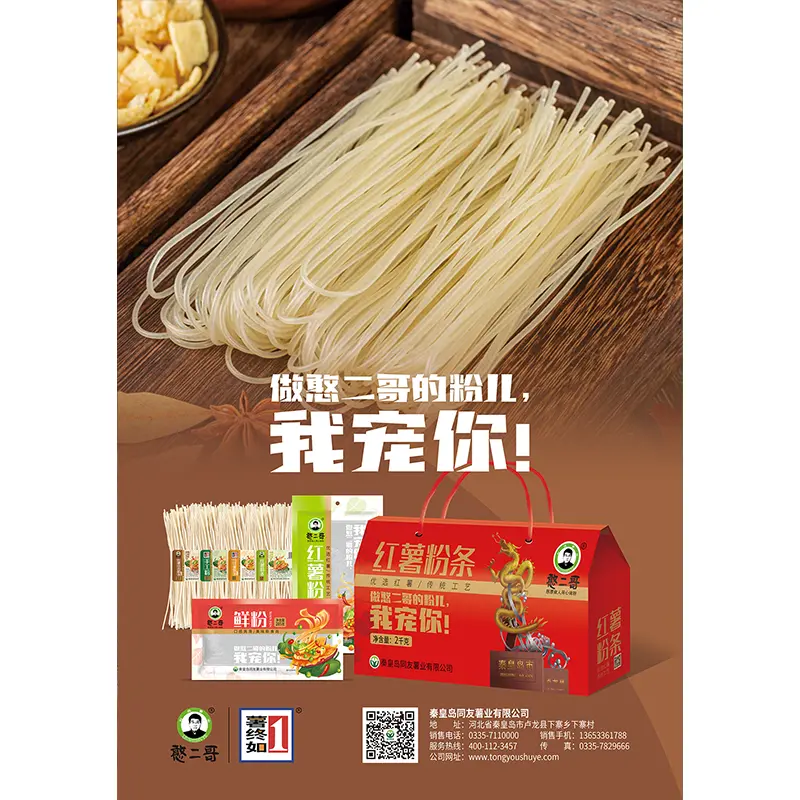
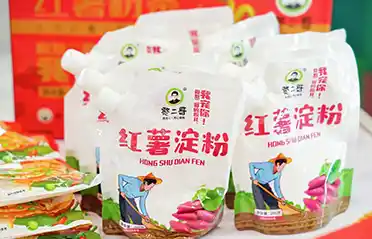
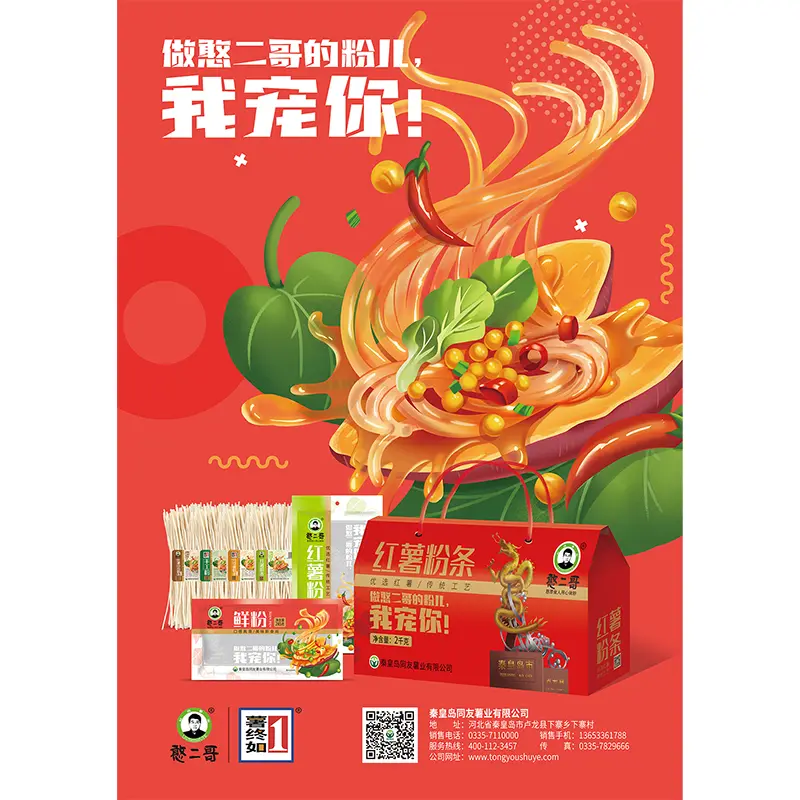
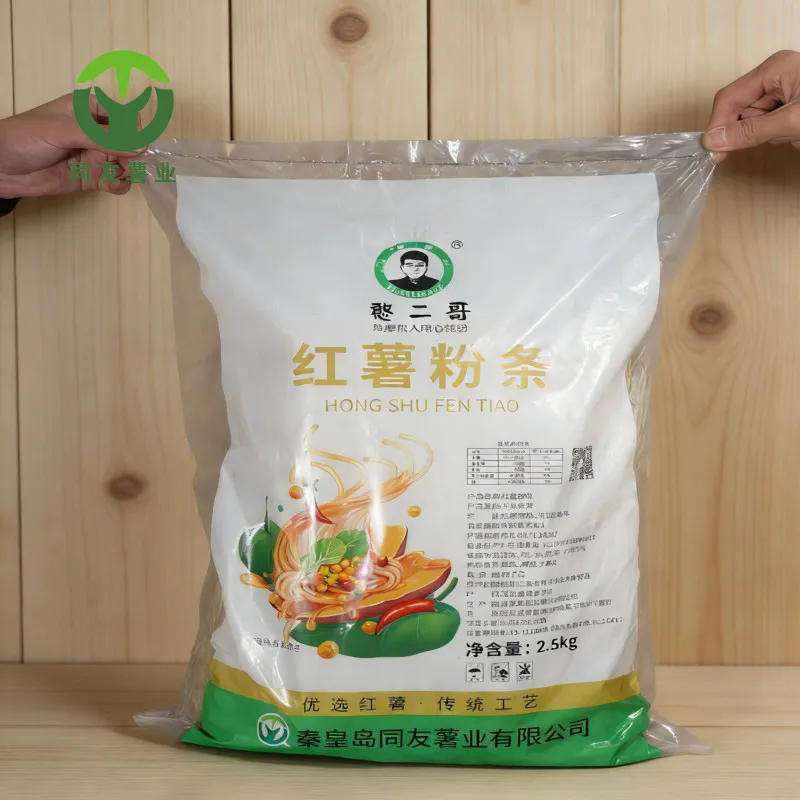
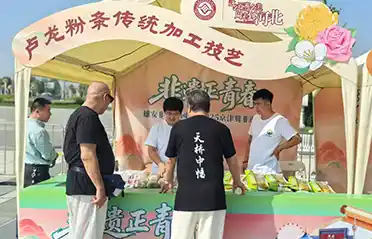
Located in Lulong County, Hebei Province—known as the "Hometown of Sweet Potatoes in China"—Qinhuangdao Tongyou Potato Industry was established in 1992. The company processes 30,000 tons of fresh sweet potatoes and produces 6,000 tons of vermicelli annually, exporting products to markets such as South Korea, Vietnam, and Australia. In 2026, it was recognized as a national-level technology-based small and medium-sized enterprise (SME).
The core of the newly installed thermal energy storage system involves storing heat during off-peak electricity hours at night and releasing it during peak daytime production hours to supply stable steam and hot water to the production line. Once operational, the constant-temperature heat source connects to the vermicelli drying rooms and the slurry cooking process, offsetting a portion of the load traditionally handled by boilers. Thanks to excellent thermal insulation, the system maintains process temperatures even during shift changes or intervals when the line is idle, thereby eliminating the energy waste associated with repeated reheating.
Enhancing Quality and Efficiency with Thermal Energy Storage Equipment
The drying stage demands exceptional uniformity in temperature and humidity; temperature fluctuations can easily lead to uneven shrinkage and surface cracking in the vermicelli. Thermal energy storage systems provide a stable heat source, creating a more consistent environment within the drying chamber. This improves the color and texture consistency of the finished sweet potato vermicelli while reducing the rate of defective products. Furthermore, the stable heat supply minimizes downtime caused by waiting, thereby increasing equipment utilization rates.
Industry Insights
The experience of Tongyou Potato Industry demonstrates that thermal energy storage equipment is not the exclusive domain of large-scale enterprises. For companies processing agricultural products like sweet potato vermicelli, the initial investment is relatively manageable, with a typical payback period of two to three years; moreover, this technology aligns perfectly with policy initiatives such as the "coal-to-electricity" transition. For companies engaged in exports, establishing a green manufacturing system also facilitates passing factory audits conducted by international clients.
The shift from traditional boilers to thermal energy storage equipment reflects the broader trend of the traditional food processing industry transitioning toward green manufacturing. Rather than passively waiting for policy mandates to force change, companies should proactively assess opportunities for thermal energy upgrades. Stable quality and sustainable cost advantages are the true foundations that enable sweet potato vermicelli enterprises to weather market cycles successfully.
Related News
- Where Is Sweet Potato Starch Used? Qinhuangdao Tongyou Potato Industry Explores Its Applications
- How to Choose Sweet Potato Starch and Sweet Potato Vermicelli with Confidence? A Visit to Qinhuangdao Tongyou Potato Industry Co., Ltd.
- Why Do South Korean Buyers Import Sweet Potato Starch from Lulong? A Look at the Loading and Shipment Process at Tongyou Potato Industry
- How to Source Pure Sweet Potato Vermicelli? Tongyou's Own Farming Base
- Qinhuangdao Tongyou Potato Industry Ships 10 Containers of Export Sweet Potato Starch to South Korea
- With "Lulong Vermicelli" securing a Geographical Indication (GI) certification mark, what added assurance do overseas buyers gain when selecting sweet potato vermicelli?
Leave me a message