Where Is Sweet Potato Starch Used? Qinhuangdao Tongyou Potato Industry Explores Its Applications
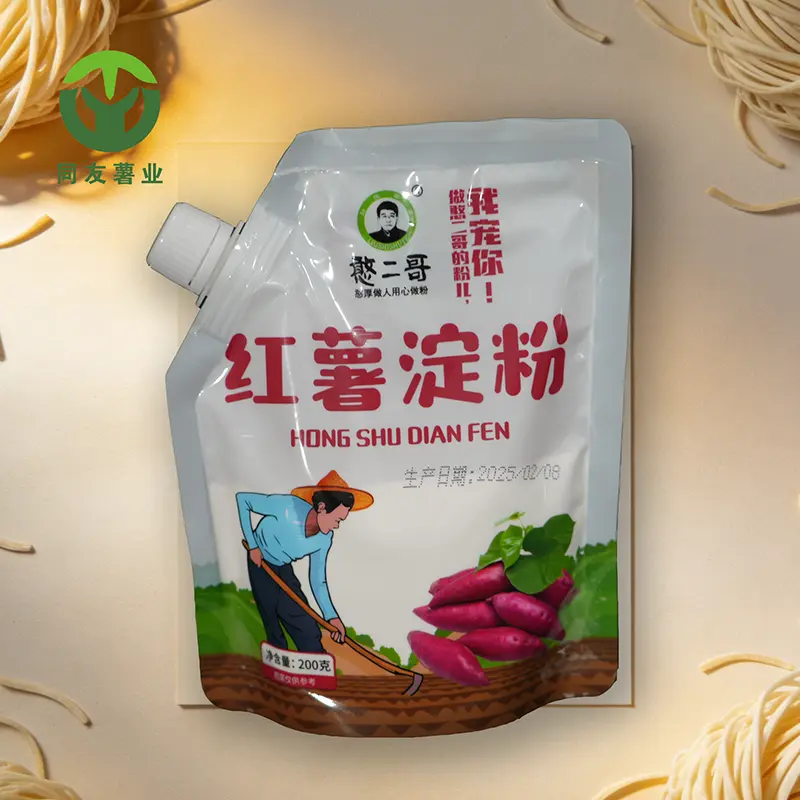
What can be made with sweet potato starch? From vermicelli and glass noodles to thickening agents, baked goods, and even industrial products like confectionery and glucose—sweet potato starch has a wide range of uses. Drawing on its extensive production experience, Qinhuangdao Tongyou Potato Industry outlines the primary applications of sweet potato starch.
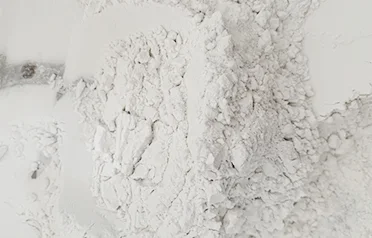
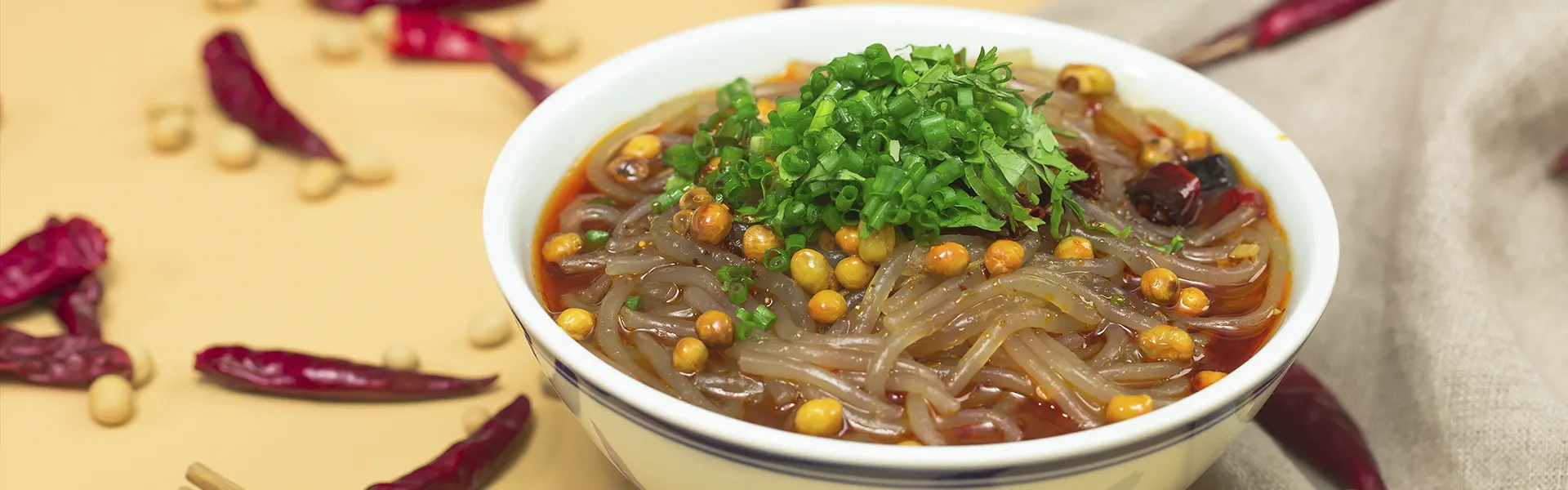
Although sweet potato starch is a common ingredient in our daily diet, it often remains "hidden" within various food products. From a bowl of spicy and sour glass noodle soup (*suan la fen*) to baked pastries and glucose-based beverages, sweet potato starch plays a role across many industries. As a company long dedicated to the deep processing of sweet potatoes, Qinhuangdao Tongyou Potato Industry Co., Ltd. (hereinafter referred to as "Tongyou Potato Industry") possesses firsthand insight into the applications of this starch. This article explores the various uses of sweet potato starch, shedding light on the journey of this versatile white powder.
I. A Kitchen Staple: Vermicelli, Glass Noodles, and Culinary Uses
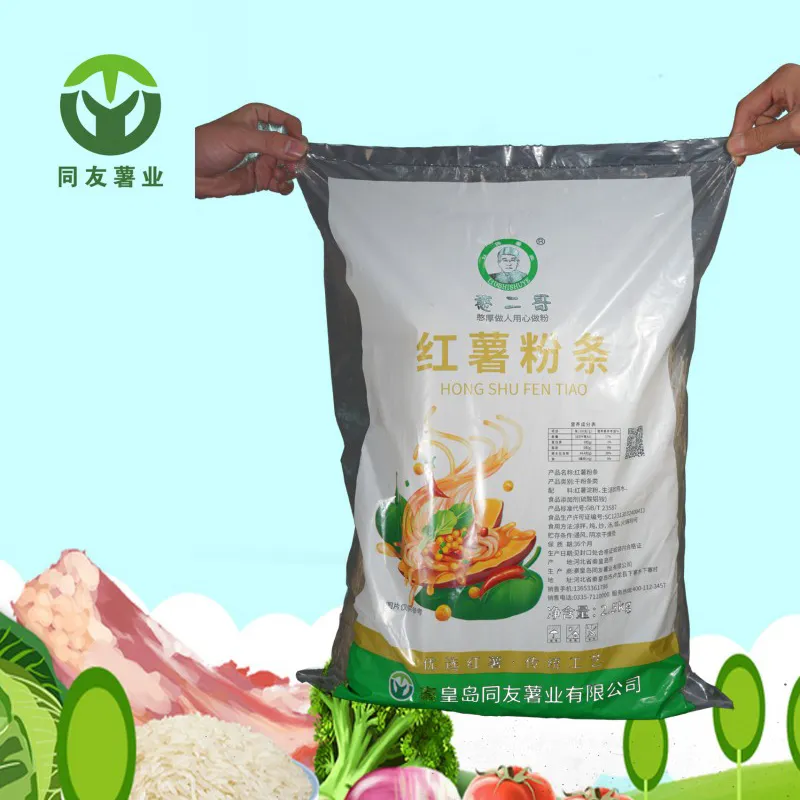
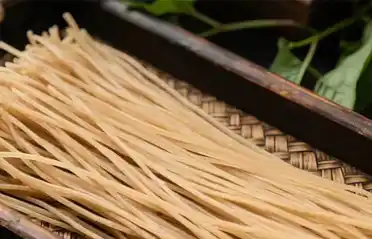
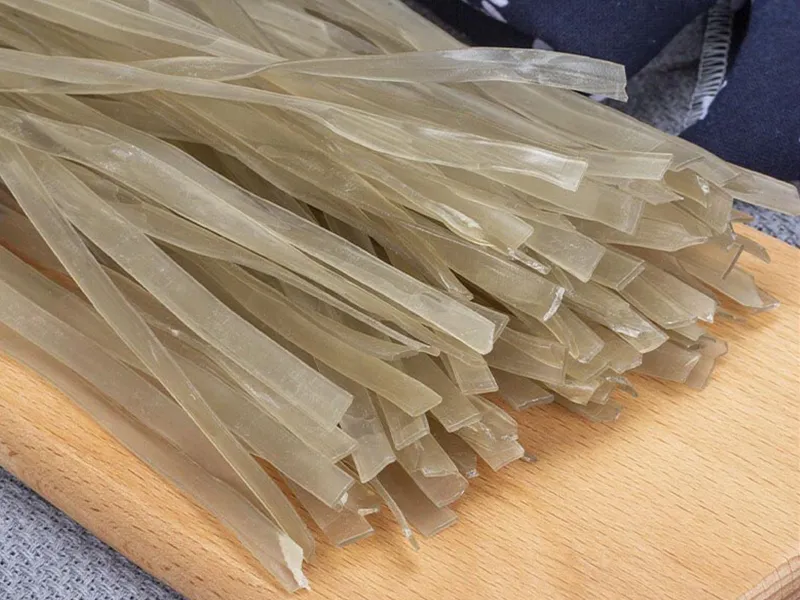
One of the most well-known uses for sweet potato starch is the production of vermicelli and glass noodles. According to the national standard "Vermicelli" (GB/T 23587-2009), these products are made primarily from sweet potato, potato, or legume starch through processes such as preparing a starch slurry (gelatinization), forming (extruding or shaping), and drying. Vermicelli made from sweet potato starch is prized for its soft, chewy, and smooth texture, as well as its resistance to breaking during long periods of simmering. It is an essential ingredient in dishes like "pork stewed with vermicelli," spicy and sour glass noodle soup, and various cold noodle salads. Furthermore, sweet potato starch can be processed into the specific noodle cakes or strands used for spicy and sour glass noodle soup; industry standards dictate that such products must contain at least 90% sweet potato starch.
Beyond noodles, sweet potato starch is also a common thickening agent in the kitchen. When added—usually as a starch-water slurry—to stir-fries or soups, it helps thicken the sauce, giving it a smooth consistency that coats the ingredients perfectly. When preparing dishes like crispy fried pork strips or meatballs, sweet potato starch is a popular choice for coating, as it yields a delightfully crispy outer layer.
II. A Versatile Player in the Food Industry: Thickening, Stabilizing, and Shaping
In the food industry, sweet potato starch is frequently utilized as a thickening agent, stabilizer, and structural enhancer, thanks to its high viscosity upon gelatinization and its neutral flavor profile. According to the China Starch Industry Association, sweet potato starch is used in a wide array of products—including noodles, baked goods, confectionery, puffed snacks, convenience foods, casual snacks, and seasoned food products. Because of its mild taste, it does not mask the flavors of delicate items like canned fruits or vanilla pudding. In grain-based products and baked goods, the starch helps improve texture, physicochemical properties, and shelf stability.
In other words, the smooth mouthfeel and consistent texture found in many processed foods are often thanks to the addition of sweet potato starch.
III. From Kitchen to Factory: Industrial Applications of Starch
The utility of sweet potato starch extends well beyond the dining table. Industrially, it serves as a raw material for the production of glucose, maltose, and ethanol. Glucose and maltose are widely used across the food, beverage, and pharmaceutical sectors, while ethanol serves as a vital industrial feedstock. Furthermore, sweet potato starch is employed in industries such as textiles, where it acts as a sizing agent to help set and strengthen yarns.
In short, the journey of sweet potato starch—from the field to the factory—spans a diverse value chain, encompassing food processing, the production of food additives, and its use as an industrial raw material.
IV. Quality Starts at the Source: The Foundation of Tongyou Sweet Potato Industry
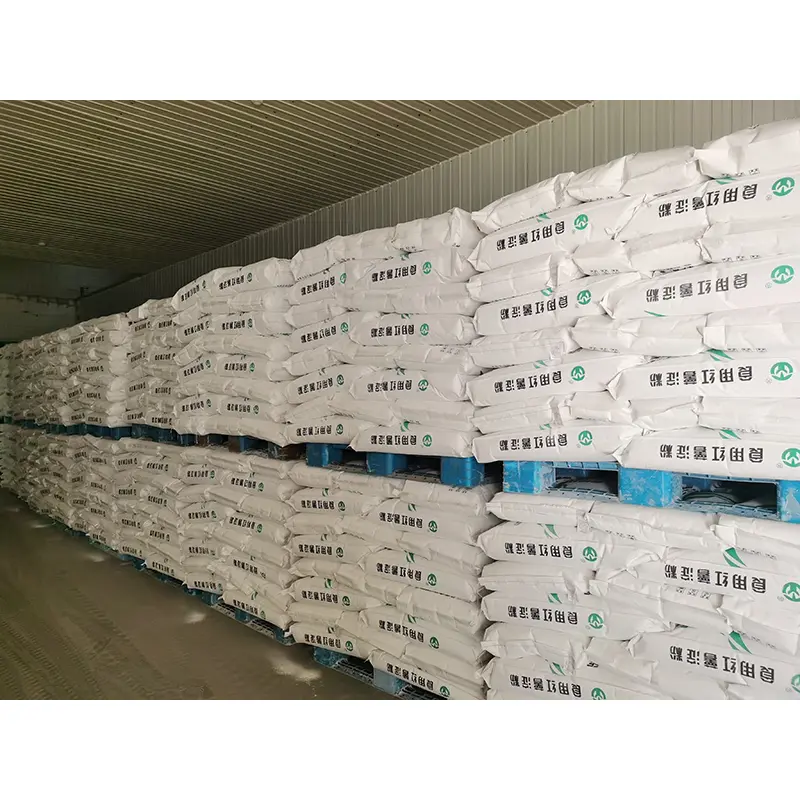
Regardless of the variety of applications, the fundamental factor remains the quality of the starch itself. Tongyou Sweet Potato Industry is located in Lulong, Hebei Province—a region renowned as the "Sweet Potato Capital of China." Established in 1992 (originally as the Lulong County Shuangli Vermicelli Factory) and rebranded in 2017, the company is an export-oriented enterprise that integrates the processing of fresh sweet potatoes with the R&D, production, and sales of sweet potato starch and vermicelli. Tongyou Potato Industry spans a total area of 66,600 square meters and possesses an annual processing capacity of 30,000 tons of fresh potatoes, 7,000 tons of starch, and 6,000 tons of vermicelli. The facility is equipped with multiple automated vermicelli production lines and purification systems. Its products are distributed throughout the Beijing-Tianjin-Hebei region, Northeast China, and South China, and are also exported to countries including South Korea, Vietnam, and Australia. The company specializes in starch-based products—such as sweet potato vermicelli (including handmade varieties), sweet potato starch, potato vermicelli, and fresh (wet) vermicelli—utilizing sweet potatoes from Lulong as raw materials and combining traditional processing techniques with modern industrial methods.
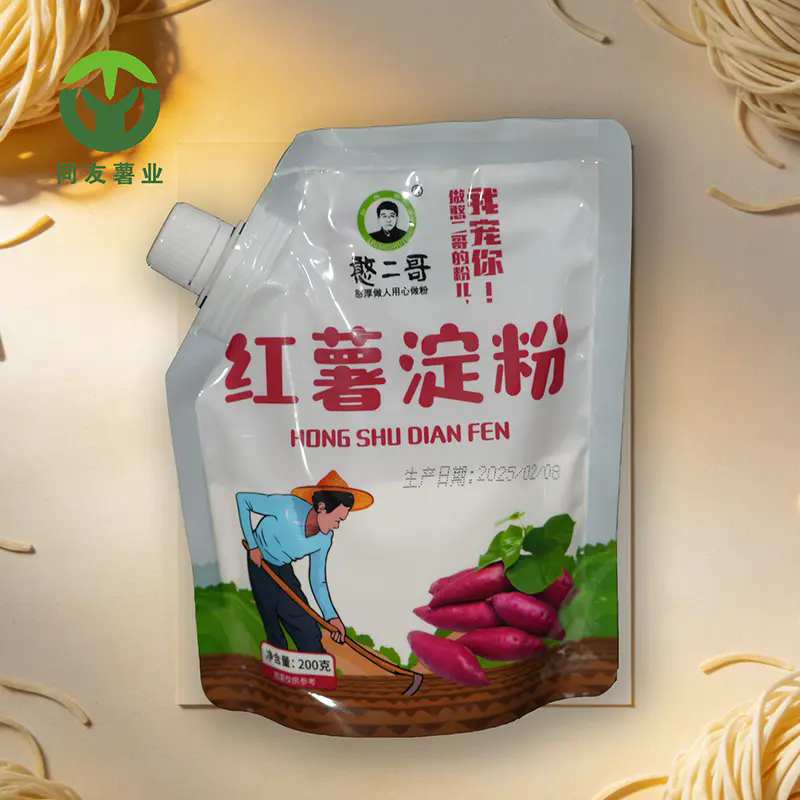
From raw materials to finished goods, and from vermicelli to industrial-grade starch, Tongyou Potato Industry strives to ensure that every bag of starch delivers value in its intended application. This commitment is the driving force behind the company’s focus on controlling the entire supply chain, starting from cultivation at the source and extending to rigorous oversight of the processing stages.
Conclusion
The applications of sweet potato starch bridge the gap between the family dining table and the production lines of the food and light industries. For consumers, understanding how starch is used helps in interpreting ingredient labels and making informed product choices; for the industry, ensuring that starch is clean and consistent in quality is the essential foundation for all downstream applications. Tongyou Potato Industry remains dedicated to the deep processing of sweet potatoes, continuing to expand the horizons for the use of sweet potato starch.
Related News
- How to Choose Sweet Potato Starch and Sweet Potato Vermicelli with Confidence? A Visit to Qinhuangdao Tongyou Potato Industry Co., Ltd.
- Why Do South Korean Buyers Import Sweet Potato Starch from Lulong? A Look at the Loading and Shipment Process at Tongyou Potato Industry
- How Can Sweet Potato Vermicelli Processors Cut Costs and Boost Efficiency? Qinhuangdao Tongyou Potato Industry Solves Energy Consumption Challenges with Thermal Energy Storage
- How to Source Pure Sweet Potato Vermicelli? Tongyou's Own Farming Base
- Qinhuangdao Tongyou Potato Industry Ships 10 Containers of Export Sweet Potato Starch to South Korea
- With "Lulong Vermicelli" securing a Geographical Indication (GI) certification mark, what added assurance do overseas buyers gain when selecting sweet potato vermicelli?
Leave me a message