Where Is Sweet Potato Starch Used? A Versatile Ingredient from Home Kitchens to the Food Industry
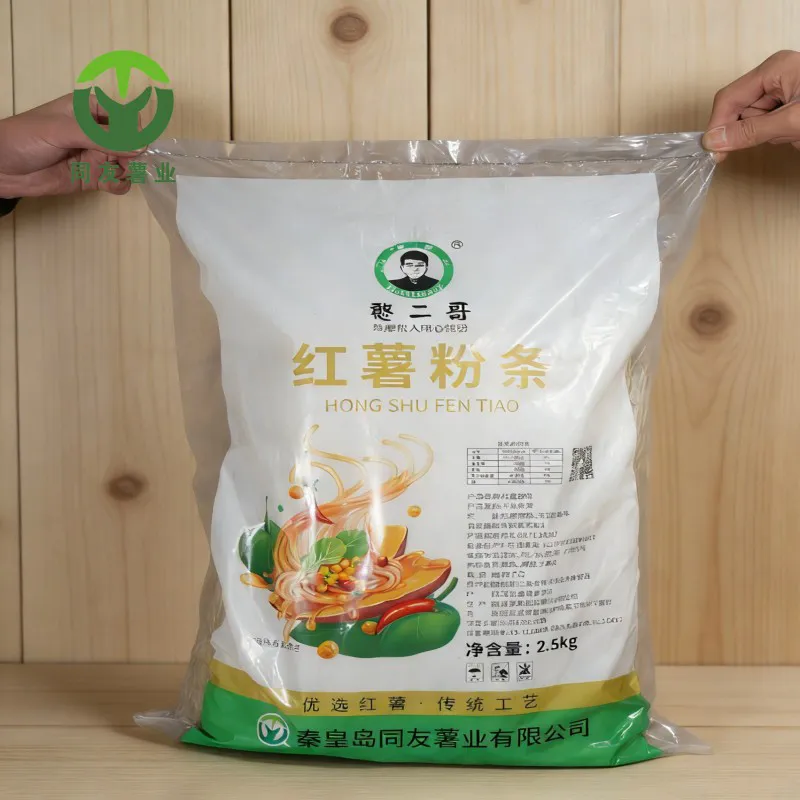
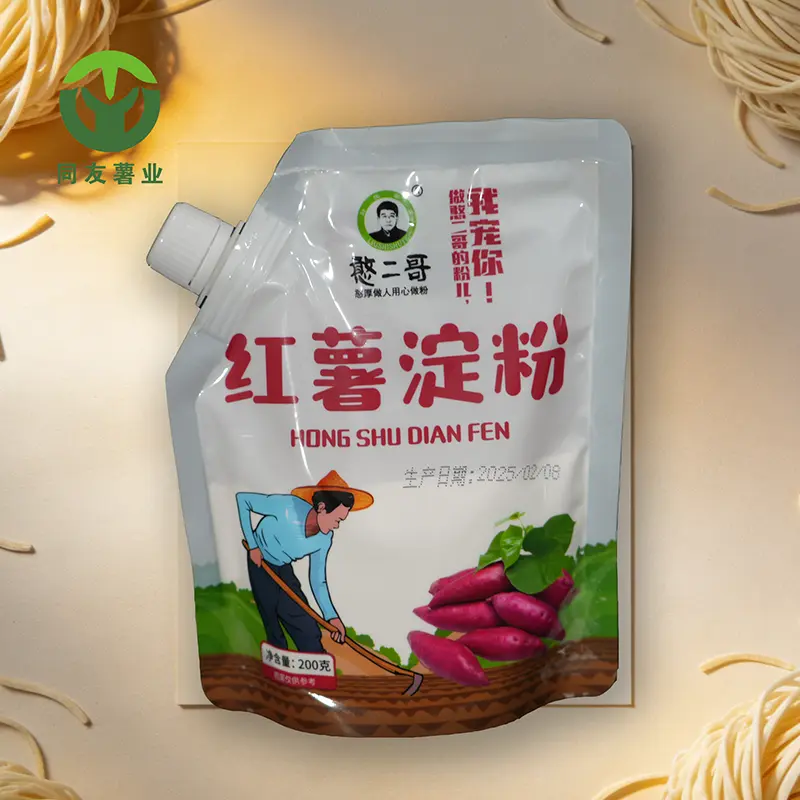
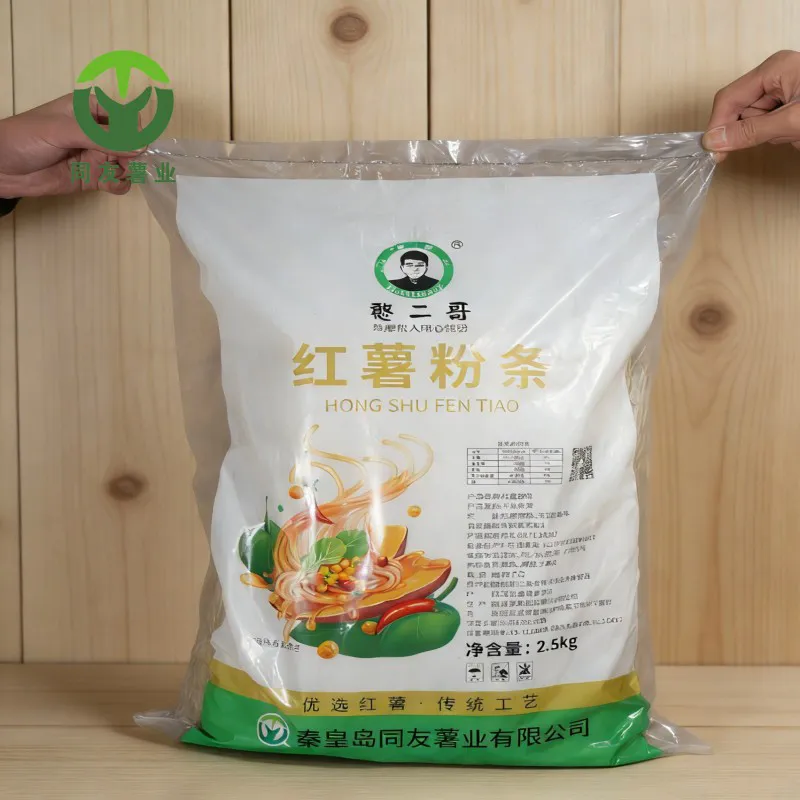
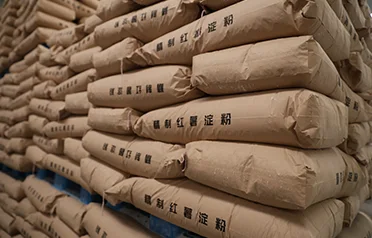
In the grain and oil section of supermarkets, a bag of snowy-white sweet potato starch is often overlooked. While many people know it can be used to thicken sauces, they may not realize that this powder—extracted from sweet potatoes—actually plays a role in many aspects of our daily diet. **Qinhuangdao Tongyou Potato Industry Co., Ltd.**, located in Lulong County, Qinhuangdao, Hebei Province, processes tens of thousands of tons of fresh sweet potatoes annually; the starch produced is supplied to the domestic market and exported to countries such as South Korea, Vietnam, and Australia. So, exactly where is sweet potato starch used?
I. Sweet Potato Starch in the Home Kitchen: Coating, Battering, and Thickening
For the average household, the most common uses of sweet potato starch are coating, battering, and thickening during cooking. Before stir-frying shredded or sliced meat, coating it in a thin slurry made from a small amount of starch and water ensures the meat remains tender and smooth, preventing it from becoming tough or dry. Coating fish in a starch slurry prevents the flesh from falling apart during cooking and reduces sticking to the pan. Thickening involves drizzling a spoonful of starch-water mixture into the dish just before serving to create a rich, full-bodied sauce; dishes like Mapo Tofu and Sweet and Sour Spare Ribs rely on this step.
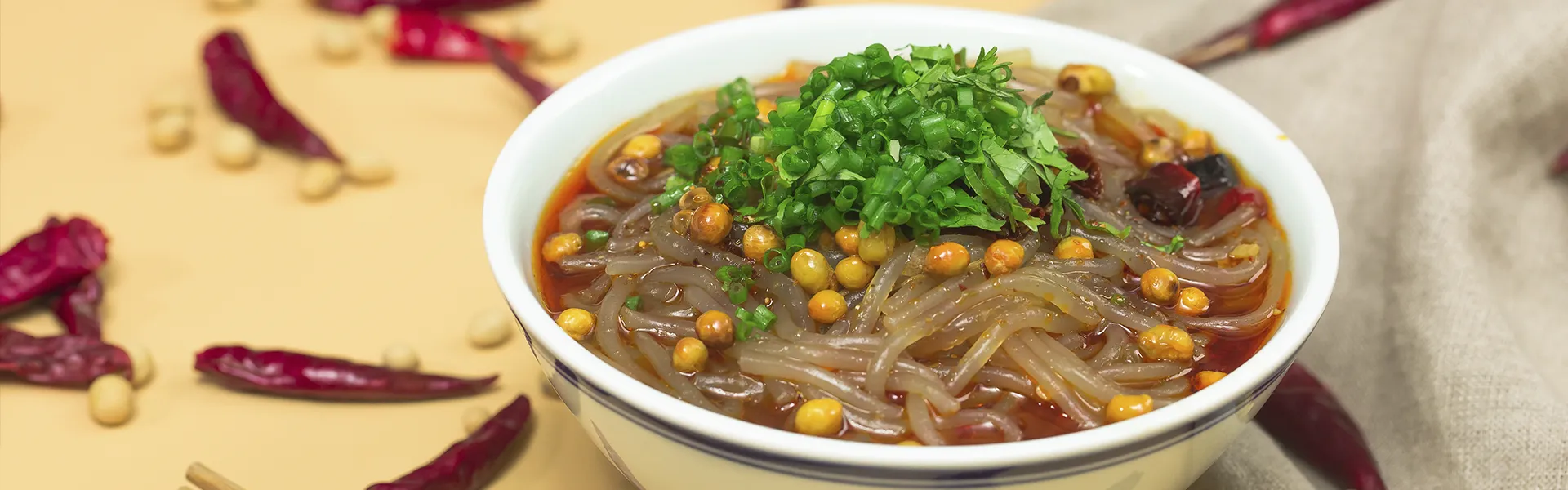
Sweet potato starch has another distinct characteristic: it has relatively low viscosity and coarser granules, allowing it to form a thick, crispy crust when deep-fried. Households in Northern China often prefer sweet potato starch for coating "crispy fried pork strips" (*xiao su rou*) and fried meatballs, resulting in a texture that is crispy on the outside and tender on the inside. It is also a common ingredient for making *liangfen* (starch jelly) in the summer; once heated and gelatinized, it sets upon cooling into a jelly with a springy, chewy texture.
II. A Fundamental Raw Material in the Food Industry
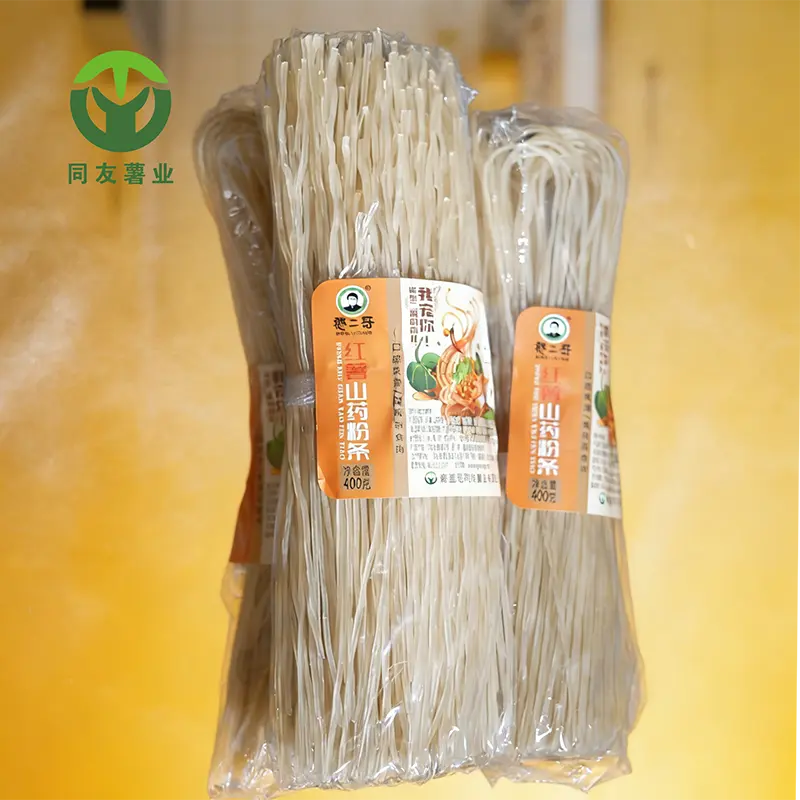
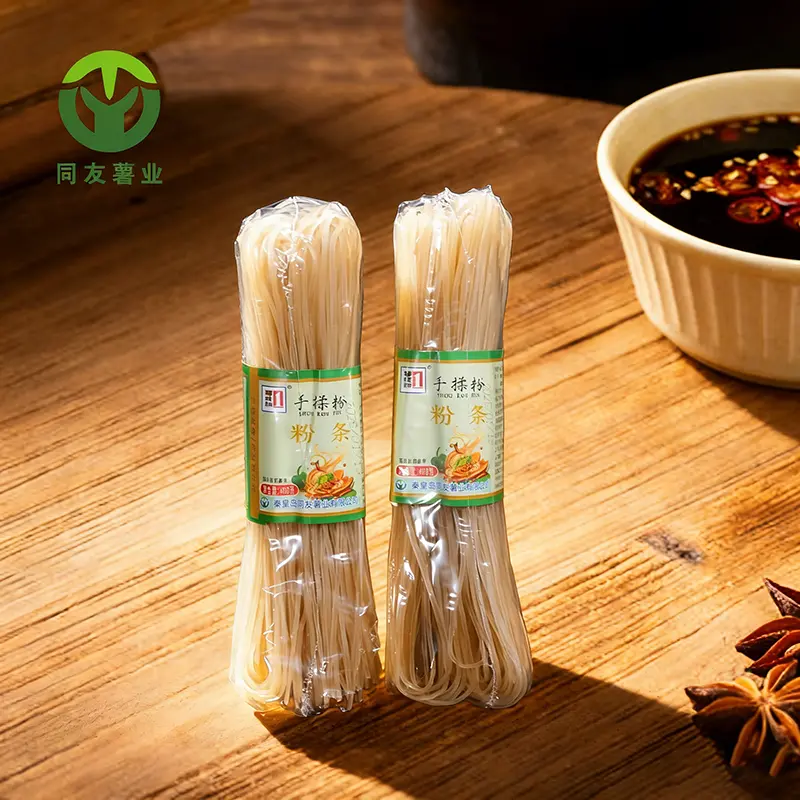
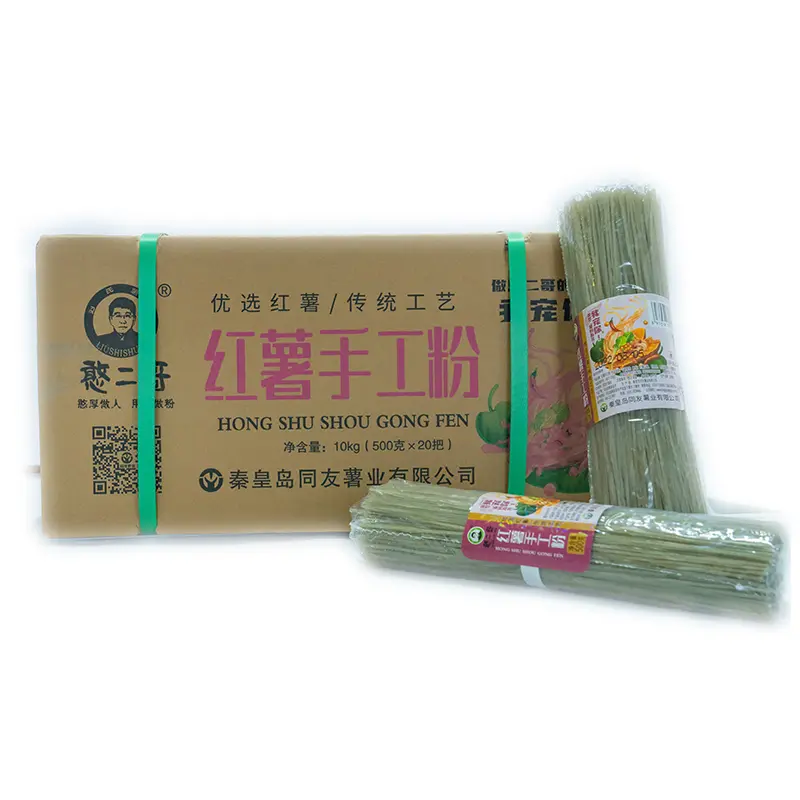
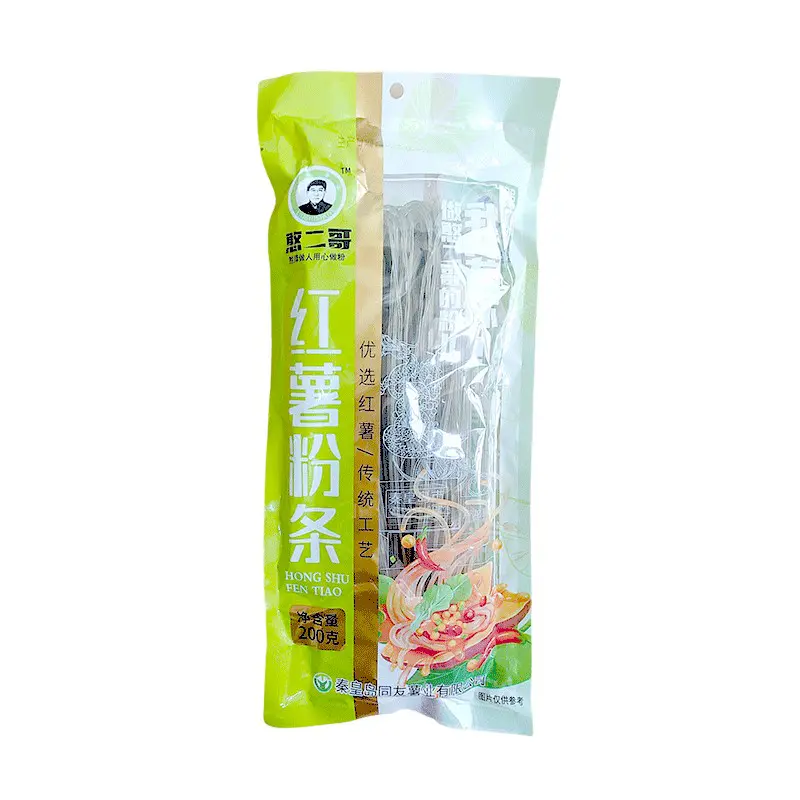
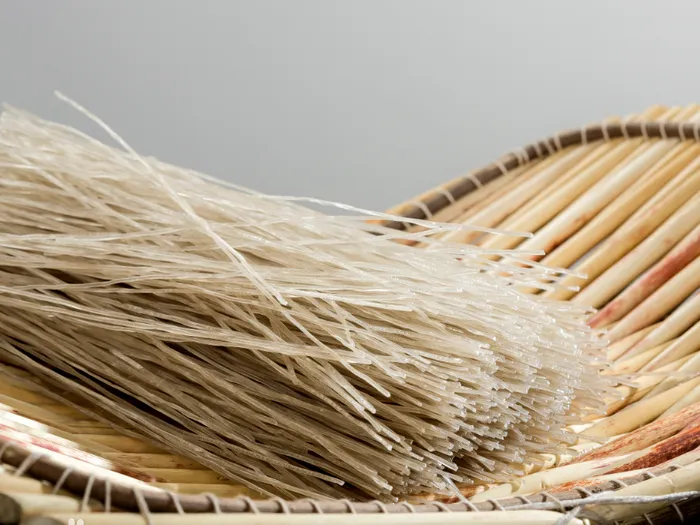
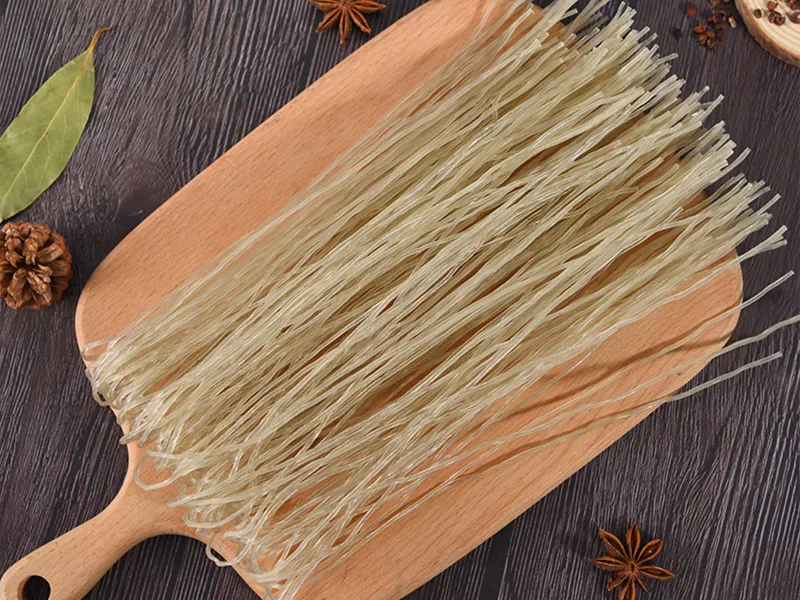
In food processing plants, sweet potato starch has a wide range of applications. Producing vermicelli and thicker starch noodles is its most traditional use: sweet potato starch is mixed with water to form a slurry, extruded into strands, cooled, and dried to become the sweet potato noodles commonly found on dining tables. Lulong County, home to Tongyou Potato Industry, is a renowned sweet potato production hub in China. The starch noodle industry is a local economic pillar, with products sold to regions including Beijing-Tianjin, Northeast China, and South China. In the noodle industry, sweet potato starch is frequently added to instant noodles, dried noodles, and fresh wet noodles; it enhances rehydration properties, ensures a smooth and firm texture after cooking, and reduces oil absorption. It is also incorporated into the wrappers of quick-frozen dumplings and *tangyuan* (glutinous rice balls) to improve freezing stability and minimize the risk of the wrappers breaking during cooking.
Starch is also essential in meat processing. In products such as ham sausages, meatballs, and luncheon meat, starch acts as a water-binding and binding agent, ensuring a tender texture and allowing the meat to hold its shape when sliced. In the sauce industry, starch serves as a thickener, achieving the desired consistency for products like ketchup, salad dressings, and barbecue sauces. Additionally, small amounts of sweet potato starch are added to baked goods—such as bread, cakes, and cookies—to improve texture and moisture retention.
III. From the Dining Table to the Industrial Sector
The applications of sweet potato starch extend far beyond food. In industrial production, it can undergo enzymatic hydrolysis to yield glucose and maltose, which are then fermented to produce ethanol, making it a key raw material for the bio-fermentation industry. The textile industry uses starch-based sizing agents on yarns to improve fiber cohesion and enhance the fabric's strength and abrasion resistance. In papermaking, starch is used for surface sizing on products like toilet paper and napkins, boosting their water absorbency and softness.
In the pharmaceutical and cosmetics sectors, purified sweet potato starch serves as an excipient for tablets and a structural agent for creams and lotions. In recent years, sweet potato starch has also played a role in the development of edible packaging films and biodegradable materials.
IV. An Industrial Chain Driven by Lulong Sweet Potatoes
The widespread application of sweet potato starch is underpinned by a stable supply of raw materials. Lulong County in Qinhuangdao is renowned as the "Hometown of Sweet Potatoes in China"; its local climate and soil conditions are ideal for sweet potato cultivation, yielding crops that are plump and rich in starch. Tongyou Potato Industry sources its raw materials locally in Lulong, combining traditional processing techniques with modern production methods. The company processes approximately 30,000 tons of fresh sweet potatoes annually, yielding around 7,000 tons of starch and 6,000 tons of vermicelli.
During the autumn harvest, the factory’s production lines operate at full capacity, processing 700 to 800 tons of fresh sweet potatoes daily and producing nearly 40 tons of dry starch. A portion of this output—specifically high-purity starch refined through sedimentation—is primarily exported to markets such as South Korea, Vietnam, and Australia, bringing the flavor of Lulong sweet potatoes to dining tables overseas.
From a sweet potato plant in the field to a bag of starch in the factory, and onward to a bowl of vermicelli, a sausage, or a sheet of starch-based wrapper, sweet potato starch connects a complete supply chain stretching from the farm to the table. Understanding its diverse applications might just give you a new perspective on this unassuming white powder.
Related News
- Where Is Sweet Potato Starch Used? Qinhuangdao Tongyou Potato Industry Explores Its Applications
- How to Choose Sweet Potato Starch and Sweet Potato Vermicelli with Confidence? A Visit to Qinhuangdao Tongyou Potato Industry Co., Ltd.
- Why Do South Korean Buyers Import Sweet Potato Starch from Lulong? A Look at the Loading and Shipment Process at Tongyou Potato Industry
- How Can Sweet Potato Vermicelli Processors Cut Costs and Boost Efficiency? Qinhuangdao Tongyou Potato Industry Solves Energy Consumption Challenges with Thermal Energy Storage
- How to Source Pure Sweet Potato Vermicelli? Tongyou's Own Farming Base
- Qinhuangdao Tongyou Potato Industry Ships 10 Containers of Export Sweet Potato Starch to South Korea
Leave me a message