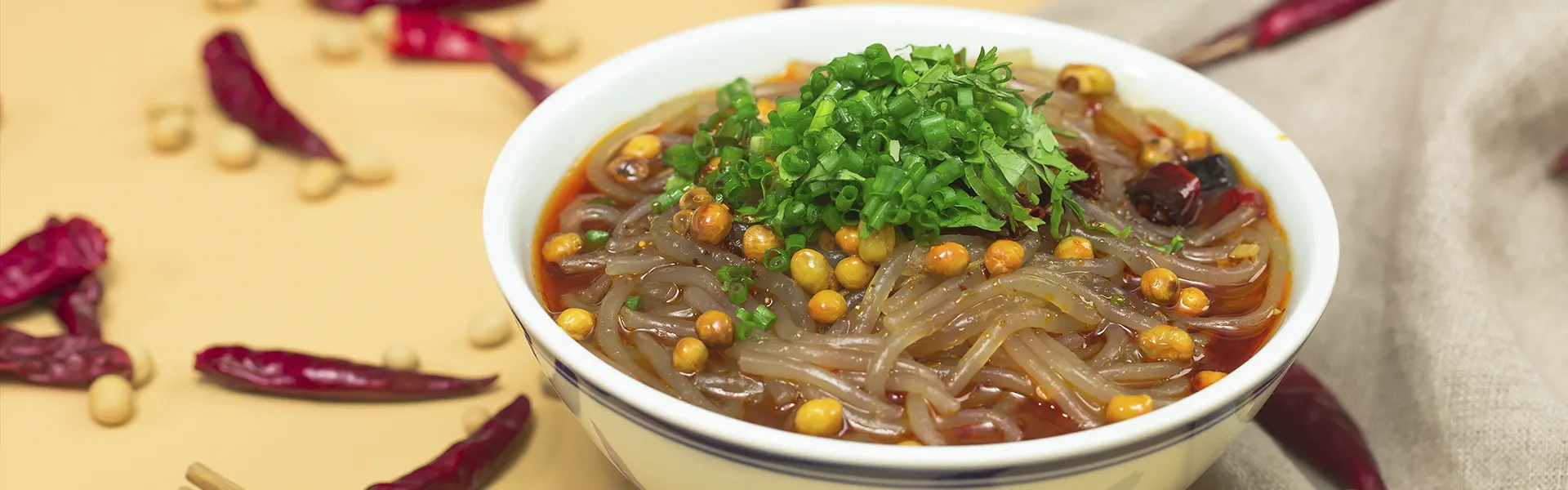
How do you vet a reliable manufacturer when importing sweet potato vermicelli from China?
Sourcing dried root-based noodles from China allows you to add a high-demand, gluten-free, plant-based product to your lineup—an ideal fit for hot pot chains, Asian grocery stores, and organic food retailers. However, the gap between a factory’s promotional brochure and the reality on the production floor is often where import orders run into trouble.
Before placing a trial order, experienced buyers follow a five-step vetting process. This guide outlines the questions to ask, the documentation to request, and the red flags to watch for when evaluating Chinese sweet potato vermicelli manufacturers.
Verify the Origin of Raw Materials
A key quality variable for this product category is whether a factory sources finished starch from the open market or processes fresh sweet potatoes in-house. Manufacturers that control the starch extraction process can trace every batch back to the specific region where the potatoes were grown.
Ask your supplier three questions: Which county do your sweet potatoes come from? Do you have contracted farming bases? Vermicelli produced in Lulong County—a nationally recognized "Home of Sweet Potatoes in China" with over 160 years of cultivation history—possesses distinct *terroir* characteristics and a national Geographical Indication (GI) certification. This is more than just marketing; it means the raw materials are subject to national GI standards, and local processors possess generations of expertise in starch extraction and noodle extrusion.
Align Certifications with Your Target Market
Different markets require different documentation. Before requesting a quote, clarify the requirements for your specific import destination and retail channels:
North America: FDA food facility registration, a Certificate of Analysis (CoA) for every shipment, and allergen labeling (while vermicelli is naturally gluten-free, a statement regarding the absence of cross-contamination is still necessary).
Europe: EU food hygiene registration, ingredient and nutritional labeling in the local language, and test reports for pesticide residues.
Middle East and Southeast Asia: Halal certification is often a mandatory requirement for entry into supermarket chains.
UK and Australia: Major grocery retailers typically require audit reports based on BRCGS or equivalent global food safety standards. Factories that operate based on HACCP and ISO 22000 systems—and are capable of undergoing additional, purpose-specific audits required by the destination country—can significantly reduce your compliance costs. Request scanned copies of certificates from your suppliers (ensuring they include the issuance date and the scope of certification), and verify them independently via the official websites of the certifying bodies.
Request Batch-Level Quality Documentation
Marketing claims are meaningless without supporting batch-level data. Ask suppliers for recent production records, which should include:
Moisture content (target range for dried vermicelli: 12%–14%)
Ash content and starch purity (calculated on a dry-matter basis)
Cooking performance tests: boiling time, breakage rate after cooking, and elasticity/texture scores.
Factories that sample and test products during every production shift demonstrate disciplined operational processes. Be wary if a supplier cannot provide such reports, or if they can only offer a single, outdated test certificate from years ago.
Evaluate OEM and Private-Label Flexibility
If you intend to sell under your own brand, clarify the scope of customization in advance:
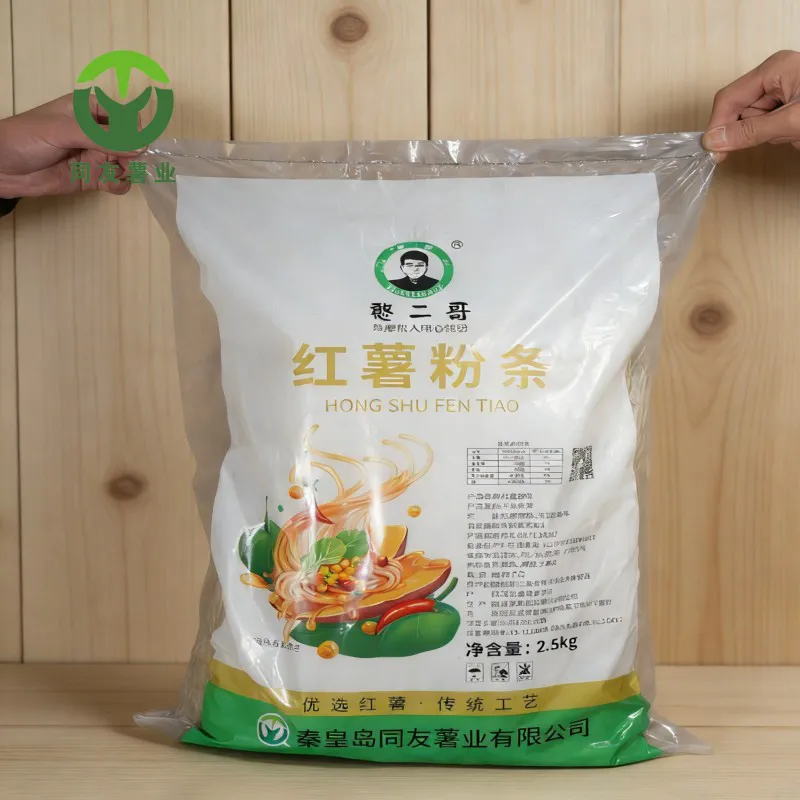
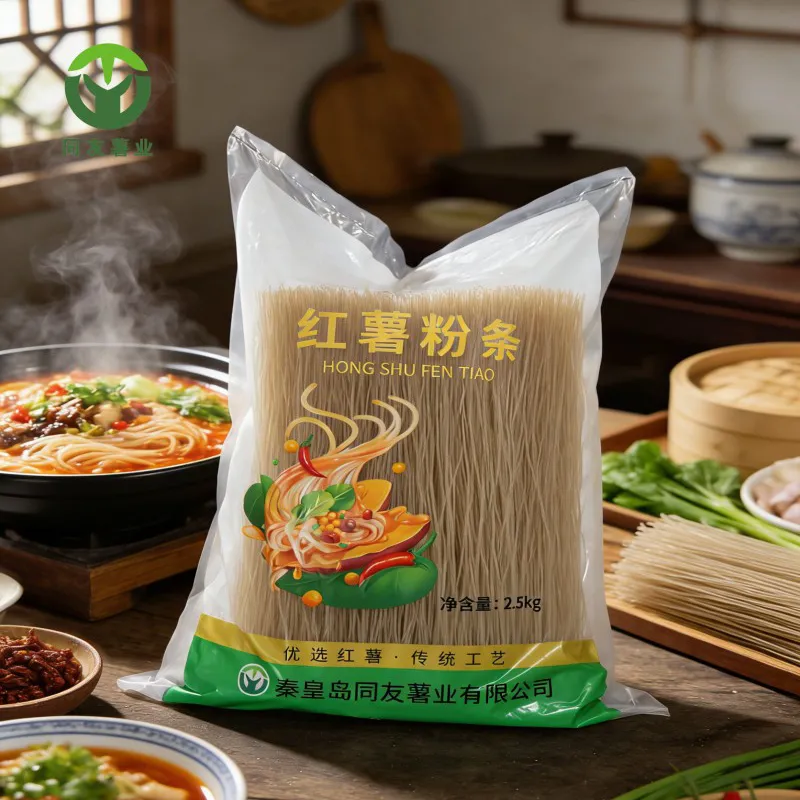
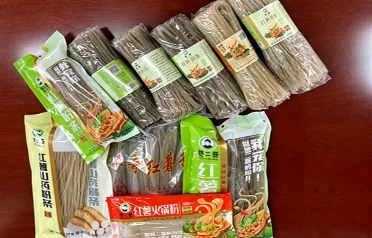
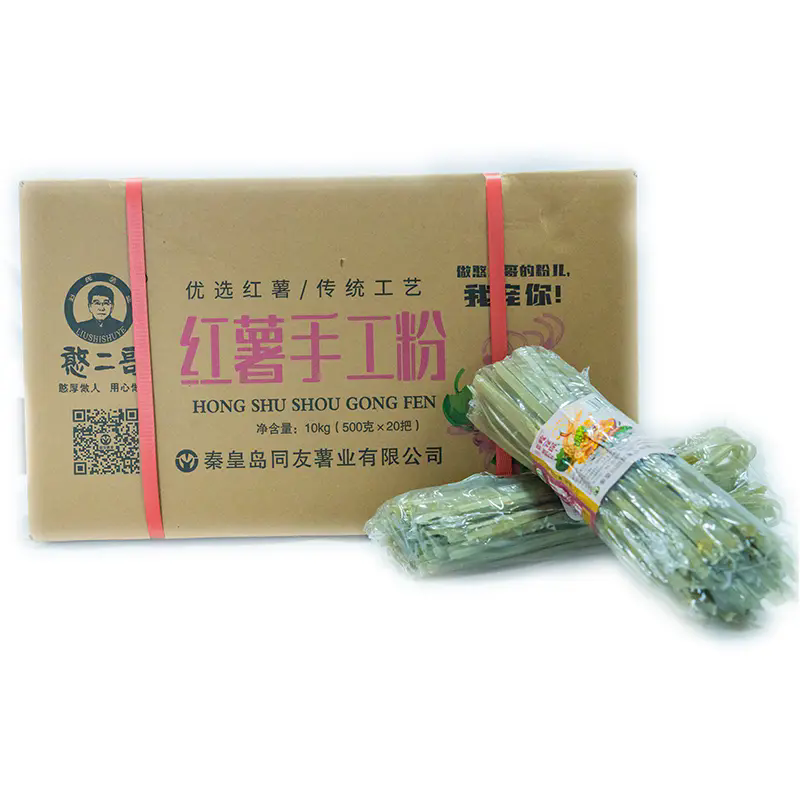
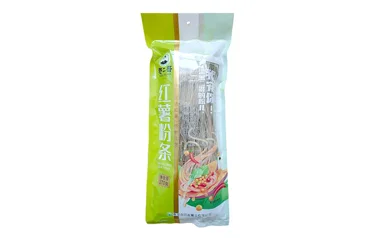
What packaging specifications can the production line handle? (For example, a manufacturer might offer everything from 170g retail bags to 1kg bulk packs, as well as 285g fresh-style vermicelli bags.)
What are the minimum order quantities (MOQs) for private-label packaging?
Can the factory handle your design files, or do they provide their own design team?
Do they support custom outer-carton specifications and palletized shipping?
Factories that already manage their own brands (such as "Han Er Ge" or "Shou Rou Fen") are well-versed in retail packaging standards, barcode registration, and shelf-life labeling requirements—expertise that can help shorten your time-to-market. When comparing specifications from different sweet potato vermicelli suppliers, also check whether switching between different packaging formats requires significant downtime for line reconfiguration.
Clarify Lead Times, Container Loading, and Port Logistics
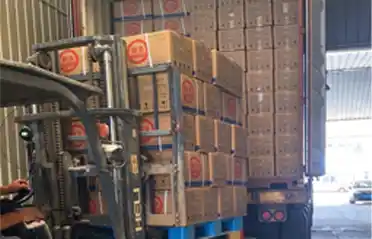
For an initial full-container order, the production lead time—following the payment of a deposit—is typically 15–25 days, depending on whether the packaging is stock or custom-made. Confirm the port of departure. For instance, the Port of Qinhuangdao is located near the production hub in Lulong; shipping directly from there minimizes inland trucking costs and reduces transit time. Request photos of the finished-goods warehouse (showing how products are stacked) and a video of a recent container-loading process. This helps determine whether the factory is experienced in regular, full-container exports or if they primarily handle small domestic shipments.
Overview of Tongyou as a Supplier
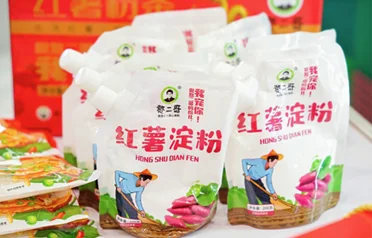
Located in the Lulong region—a designated geographical indication (GI) production area—Qinhuangdao Tongyou Potato Industry Co., Ltd. supplies dried sweet potato vermicelli, fresh sweet potato vermicelli, potato vermicelli, and native sweet potato starch to both domestic distributors and overseas buyers. Their production lines combine traditional hand-kneading techniques with temperature-controlled drying, and samples from every production run undergo a "boil-resistance" test prior to packaging.
Buyers are encouraged to request sample packs, batch-specific Certificates of Analysis (CoA), and copies of certifications before committing to a trial container order. The company also offers OEM packaging options ranging from 170g to 1kg, suitable for both retail and foodservice channels.
Summary
Evaluating a vermicelli factory is not overly complex, provided you follow a systematic approach: trace raw materials, verify certifications, review batch reports, test OEM flexibility, and confirm export logistics. Completing these five steps before paying a deposit helps importers avoid common pitfalls—such as substandard moisture content, opaque raw material sourcing, or packaging that fails to meet retail compliance requirements.
A reliable sweet potato vermicelli supplier should be able to provide prompt, written responses to these five points, accompanied by supporting documentation. If they can do so, the factory is a strong candidate for a trial order.
Related News
- Why Does Sweet Potato Starch Quality Affect Noodle Texture?
- What quality checks must sweet potato vermicelli undergo before leaving the factory?
- How Did Sweet Potato Starch from Qinhuangdao’s Tongyou Potato Industry Reach South Korea and Vietnam?
- Where Is Sweet Potato Starch Used? Qinhuangdao Tongyou Potato Industry Explores Its Applications
- How to Choose Sweet Potato Starch and Sweet Potato Vermicelli with Confidence? A Visit to Qinhuangdao Tongyou Potato Industry Co., Ltd.
- Why Do South Korean Buyers Import Sweet Potato Starch from Lulong? A Look at the Loading and Shipment Process at Tongyou Potato Industry
Leave me a message