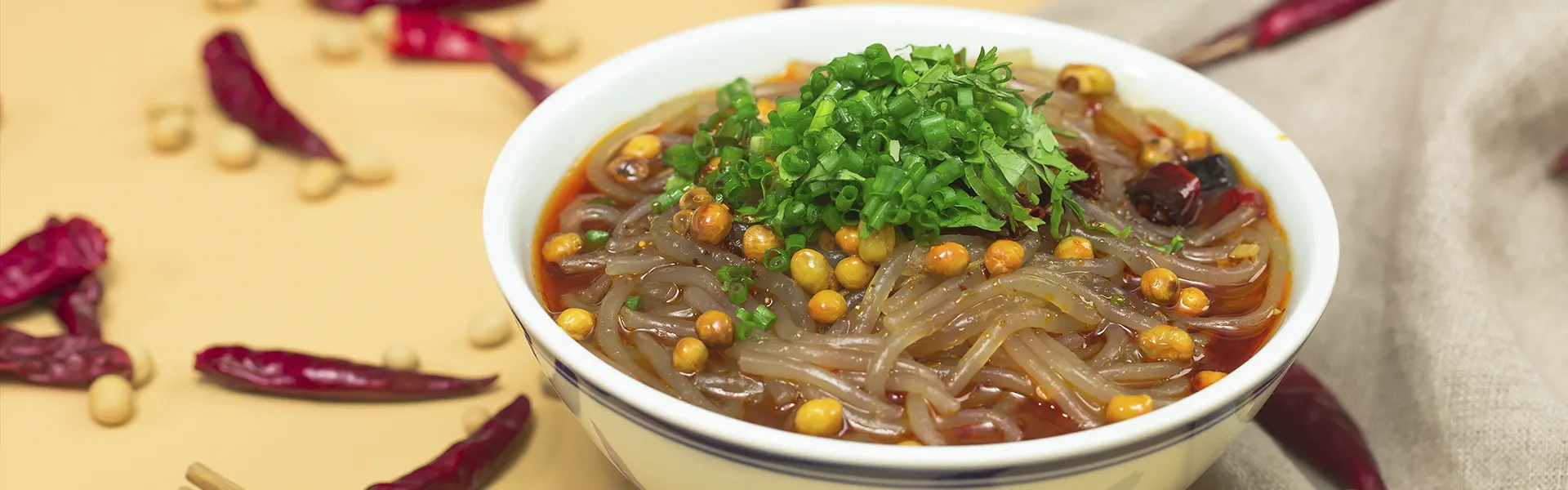
What quality checks must sweet potato vermicelli undergo before leaving the factory?
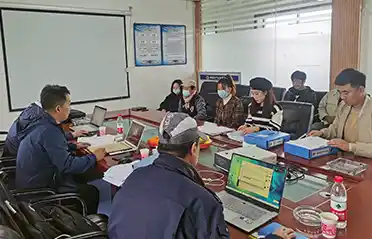
In October 2026, Qinhuangdao Tongyou Potato Industry Co., Ltd. held a product quality review meeting in its factory conference room. Heads of the production, laboratory, procurement, and warehousing departments sat in a row along a long table. On the wall hung a flowchart for safe production, while the team reviewed inspection records from the previous quarter—cross-referencing factory entry logs and humidity readings from the drying rooms. The meeting had a single, focused agenda: to examine the entire process for sweet potato vermicelli—from the arrival of raw materials to the dispatch of finished products—clarifying exactly what was inspected at each stage, who provided the sign-off, and what documentation was retained.
Who Attends the Quality Meeting?
The meeting involved multiple departments. Workshop supervisors explained any production line anomalies; laboratory inspectors presented cooking records for each batch; procurement staff reported on the arrival of sweet potato starch shipments; and warehouse personnel verified that samples of finished products had been archived by batch. Attendees, dressed in work uniforms and wearing face masks, took notes as the discussion unfolded. The production manager consulted a laptop to review records from the previous production run, pinpointing the specific machine station where strands had broken. Laboratory inspectors then cross-referenced these findings with the breakage rates logged in the official records to determine whether the issue occurred during the extrusion or the drying phase.
What Exactly Is Inspected Before Dispatch?
The laboratory team outlined three mandatory checks performed on every batch. First, the initial sample from each shift is cooked to test for cooking time, elasticity, and breakage rates; any batch that becomes brittle or breaks immediately upon entering the boiling water is flagged for a secondary review. Second, the moisture content of the vermicelli is measured after the drying process: if moisture is too high, the product is prone to mold during storage; if it is too low, it becomes brittle and liable to break during transport or while on the shelf. Third, a visual inspection is conducted, comparing the product against a standard sample to ensure uniform strand diameter and consistent color. Issues raised by two distributors in the previous quarter—one reporting inconsistent thickness, the other noting color loss after soaking—were traced back to the adjustment settings of the extrusion machine. Corrective measures, along with a defined schedule for recalibration, were subsequently incorporated into the company’s standard operating procedures (SOPs). How Is Raw Starch Quality Controlled?
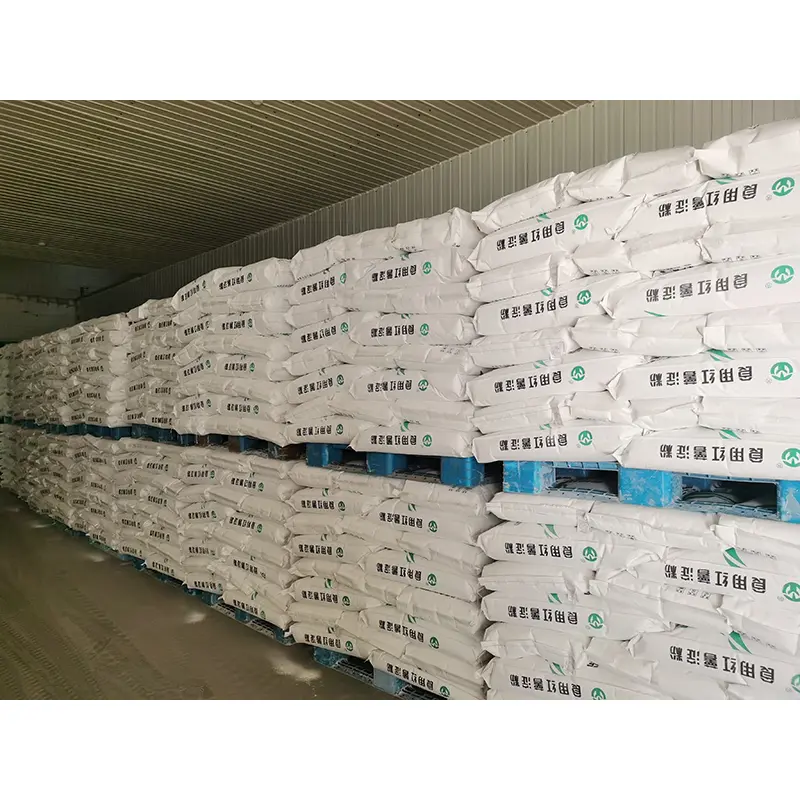
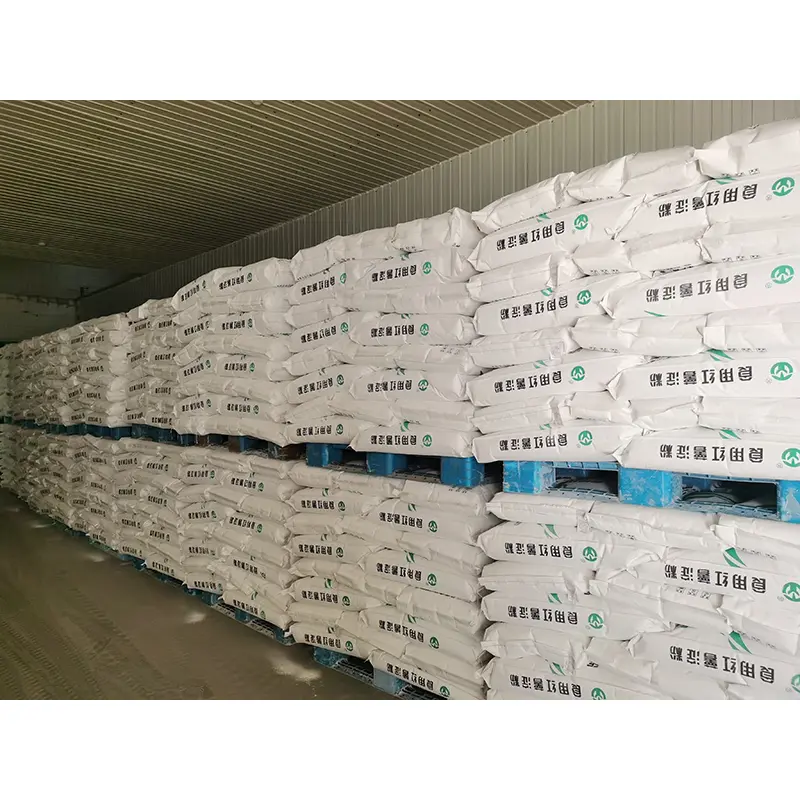
Quality control begins at the raw material stage. When shipments of sweet potato starch arrive, they are accompanied by documentation detailing appearance, color, ash content, and acidity. The laboratory conducts random sampling from every truckload; any batch that fails to meet the specified criteria is rejected in its entirety. A crucial, often overlooked detail was highlighted during the meeting: weather fluctuations at the source can cause variations in the viscosity of starch across different batches. Consequently, the temperature profile in the drying room cannot be set to a fixed, static parameter; instead, it must be fine-tuned based on the actual measured values of each specific batch. This operational insight has been formalized into a "Raw Material-to-Process Correlation Table," which is appended to the quarterly ledger.
How Is Batch Traceability Maintained?
Every batch of sweet potato vermicelli is marked with a unique batch number. This number is linked to the specific batch of starch used, the production date and shift, the drying line identifier, and the inspector who authorized the release. Should a customer raise a concern months later, the company can retrieve the corresponding ledger and cross-reference it with the retained samples stored in the sample archive. During the meeting, staff demonstrated the process using a blue file box, showing how documents are archived, cross-checked, and signed off—ensuring that the complete history of any given batch can be reconstructed in a short amount of time.
How Can Buyers Evaluate the Production Facility?
For distributors and food service procurement teams, there are clear, practical indicators to look for: ask how the manufacturer handles customer complaints, which specific parameters are tested in the laboratory for every batch, and whether they can produce retained samples that correspond to specific batch numbers. Qinhuangdao Tongyou Potato Industry Co., Ltd. holds these quality-focused meetings on a regular, scheduled basis, rather than convening them only when problems arise. Prospective buyers who wish to conduct an on-site inspection are welcome to book an appointment; they can walk through the entire production process—from raw starch to final packaging—and observe firsthand the quality checkpoints discussed during these meetings.
About This Article
Author: Quality Department, Qinhuangdao Tongyou Potato Industry Co., Ltd.
Publication Date: October 27, 2026
Related News
- Why Does Sweet Potato Starch Quality Affect Noodle Texture?
- How do you vet a reliable manufacturer when importing sweet potato vermicelli from China?
- How Did Sweet Potato Starch from Qinhuangdao’s Tongyou Potato Industry Reach South Korea and Vietnam?
- Where Is Sweet Potato Starch Used? Qinhuangdao Tongyou Potato Industry Explores Its Applications
- How to Choose Sweet Potato Starch and Sweet Potato Vermicelli with Confidence? A Visit to Qinhuangdao Tongyou Potato Industry Co., Ltd.
- Why Do South Korean Buyers Import Sweet Potato Starch from Lulong? A Look at the Loading and Shipment Process at Tongyou Potato Industry
Leave me a message