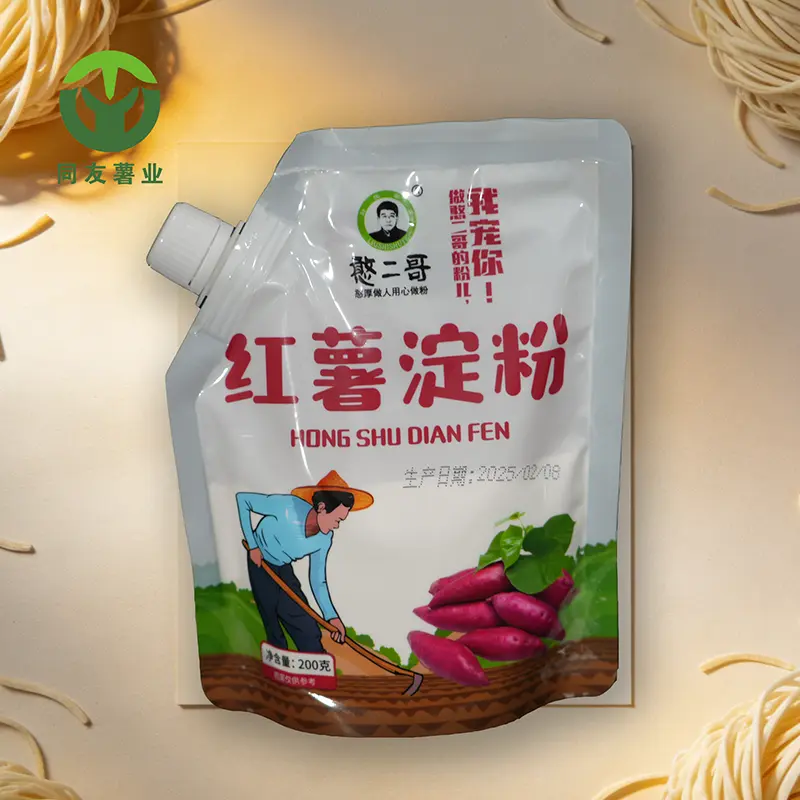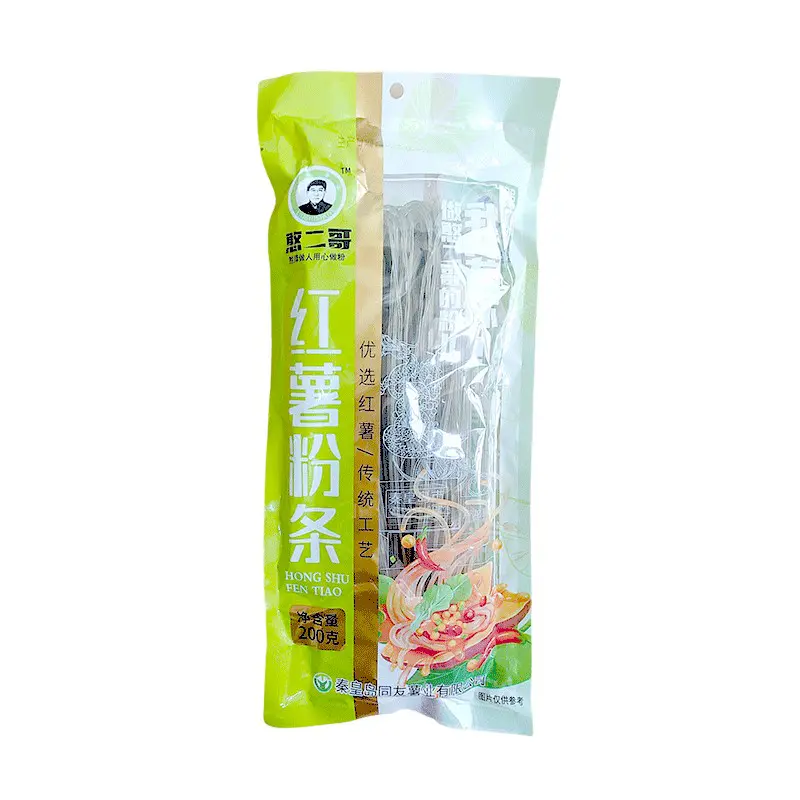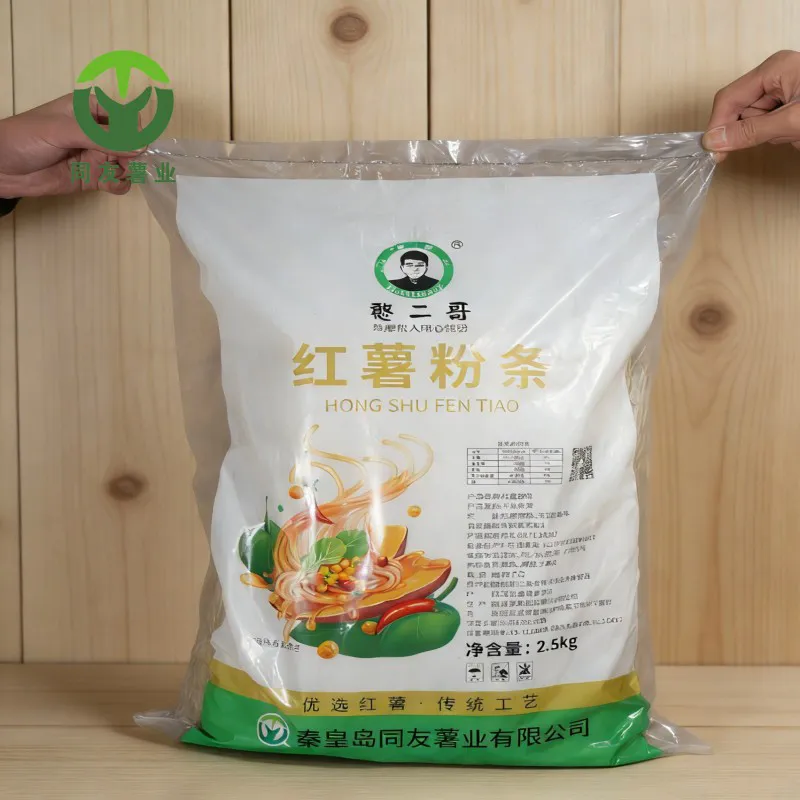
How can you identify high-quality sweet potato starch? Qinhuangdao Tongyou Potato Industry shares its expertise.
Sweet potato starch is widely used in thickening sauces, as well as in the production of vermicelli, starch jelly, and pre-made foods; its quality directly determines the texture and appearance of the final product. However, the quality of sweet potato starch on the market varies significantly, with common issues including adulteration, excessive impurities, and spoilage due to moisture. Drawing on years of practical experience in deep potato processing, Qinhuangdao Tongyou Potato Industry Co., Ltd. has developed a simple yet accurate method for evaluating starch—suitable for both household and commercial buyers—to help them select high-quality products and avoid inferior starch.
I. Sensory Evaluation: Quickly Distinguish Quality Without Technical Expertise
You do not need professional testing equipment; a quick preliminary quality check can be performed using just three basic methods—looking, smelling, and touching—making it easy for anyone to evaluate the product.
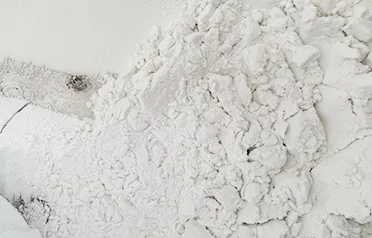
Observe Color and Texture: High-quality sweet potato starch has a natural, soft, milky-white color. The powder is fine and loose, free from clumps, grit, black specks, or potato residue. Starch that appears dull, yellowish, or grayish, or is heavily clumped, is likely of poor quality—often the result of crude purification processes or spoilage caused by improper storage and moisture.
Smell the Aroma: Pure, high-quality sweet potato starch carries a faint, natural, fresh sweet potato scent that is clean and free of off-odors. If the starch smells sour, musty, or pungent, or lacks any sweet potato aroma and carries strange smells, it likely indicates moldy raw materials, substandard processing, or adulteration with additives like cassava or corn starch; such products should not be purchased or used.
Test by Rubbing: High-quality sweet potato starch is dry and finely textured; it feels smooth when rubbed between the fingertips and produces a slight crisp sound. When rubbed into a thin flake and dropped, it disperses quickly. If the starch feels sticky or clumps together without breaking apart, it indicates excessive moisture content, making it highly susceptible to mold and significantly shortening its shelf life.
II. Clear Water Test: Accurately Detecting Purity and Impurities
The clear water sedimentation test is a widely used, cost-free, and highly accurate method for quickly distinguishing genuine sweet potato starch from adulterated or inferior products, offering clear and reliable results.
Simply mix an appropriate amount of starch into clear water, stir thoroughly, and let it sit for 3–5 minutes to observe the results. High-quality, pure sweet potato starch settles rapidly, creating a distinct separation layer; the sediment at the bottom is compact and fine, while the water above remains clear and transparent. In contrast, inferior or adulterated starch settles slowly, leaving the water cloudy; the sediment is loose and uneven, often containing impurities such as grit or plant fibers.
III. Commercial Procurement: Key Quality Control Indicators
For bulk procurement—such as by food processing plants or large-scale catering enterprises—quality assessment relies on professional physicochemical indicators. These same metrics serve as the core quality control standards for Qinhuangdao Tongyou Potato Industry’s finished products, focusing on four main areas: moisture content, ash content, whiteness, and viscosity.
High-quality sweet potato starch has a moisture content of ≤15%, ensuring it is sufficiently dry, shelf-stable, and resistant to spoilage. It has extremely low ash content, indicating a near-total absence of grit or impurities. The color is a natural off-white (milky white) without artificial bleaching. It offers excellent, stable viscosity; when used for thickening, it yields a clear, cohesive consistency, and when used to make starch noodles or jelly, the result is firm, smooth, and resistant to breaking during cooking.
When purchasing in bulk, buyers should request batch-specific quality inspection reports to verify these key indicators. It is advisable to prioritize legitimate manufacturers that utilize automated purification, multi-stage filtration, and low-temperature drying processes; such products offer superior stability and quality compared to starch produced via the crude methods of traditional small workshops.
IV. Avoiding Pitfalls: Two Common Misconceptions
Many consumers and commercial buyers fall into common traps when purchasing starch; these represent the two most frequent mistakes made during the selection process.
First, a whiter starch does not necessarily indicate better quality. Natural, high-quality sweet potato starch has a soft, milky-white hue. Starch that appears stark white or glossy has usually undergone artificial bleaching, which can result in poor taste and failure to meet quality standards.
Second, do not prioritize low price above all else. High-quality sweet potato starch entails higher costs for raw materials and processing/purification; products priced far below the market average are typically adulterated, moisture-damaged, or substandard due to excessive impurities. Saving money in the short term often leads to increased production losses later on.
When purchasing, always verify product certifications, production dates, and manufacturer details. Prioritize legitimate, traceable products with complete information and strictly avoid unbranded, uncertified ("three-no") starch products.
V. Strict Source Control to Ensure High-Quality Sweet Potato Starch
Qinhuangdao Tongyou Potato Industry remains committed to rigorous quality control at the source. We carefully select premium, fresh sweet potatoes, discarding any that are moldy, damaged, or of poor quality. Utilizing a fully automated, enclosed deep-processing production line, we employ multiple stages—including washing, fine grinding, cyclone purification, multi-step impurity removal, and low-temperature drying—to comprehensively eliminate impurities and guarantee starch purity.
All finished products undergo strict sampling and testing before leaving the warehouse to ensure consistent standards for powder quality, purity, viscosity, and dryness. We offer samples for customer trials and can fully meet diverse procurement needs, ranging from household retail to large-scale, long-term corporate supply.
To select high-quality sweet potato starch, one can follow a comprehensive process involving sensory screening, water-based testing, specification verification, and informed product selection to avoid pitfalls. Households can make accurate choices using simple methods, while commercial bulk procurement requires consulting professional quality inspection reports and verifying the legitimacy and traceability of the manufacturer. Moving forward, Qinhuangdao Tongyou Potato Industry will continue to provide customers with pure, consistent, and high-quality sweet potato starch through standardized production and rigorous quality control systems, helping to resolve the challenges associated with product selection in the industry.
Related News
- Where Is Sweet Potato Starch Used? Qinhuangdao Tongyou Potato Industry Explores Its Applications
- How to Choose Sweet Potato Starch and Sweet Potato Vermicelli with Confidence? A Visit to Qinhuangdao Tongyou Potato Industry Co., Ltd.
- Why Do South Korean Buyers Import Sweet Potato Starch from Lulong? A Look at the Loading and Shipment Process at Tongyou Potato Industry
- How Can Sweet Potato Vermicelli Processors Cut Costs and Boost Efficiency? Qinhuangdao Tongyou Potato Industry Solves Energy Consumption Challenges with Thermal Energy Storage
- How to Source Pure Sweet Potato Vermicelli? Tongyou's Own Farming Base
- Qinhuangdao Tongyou Potato Industry Ships 10 Containers of Export Sweet Potato Starch to South Korea
Leave me a message