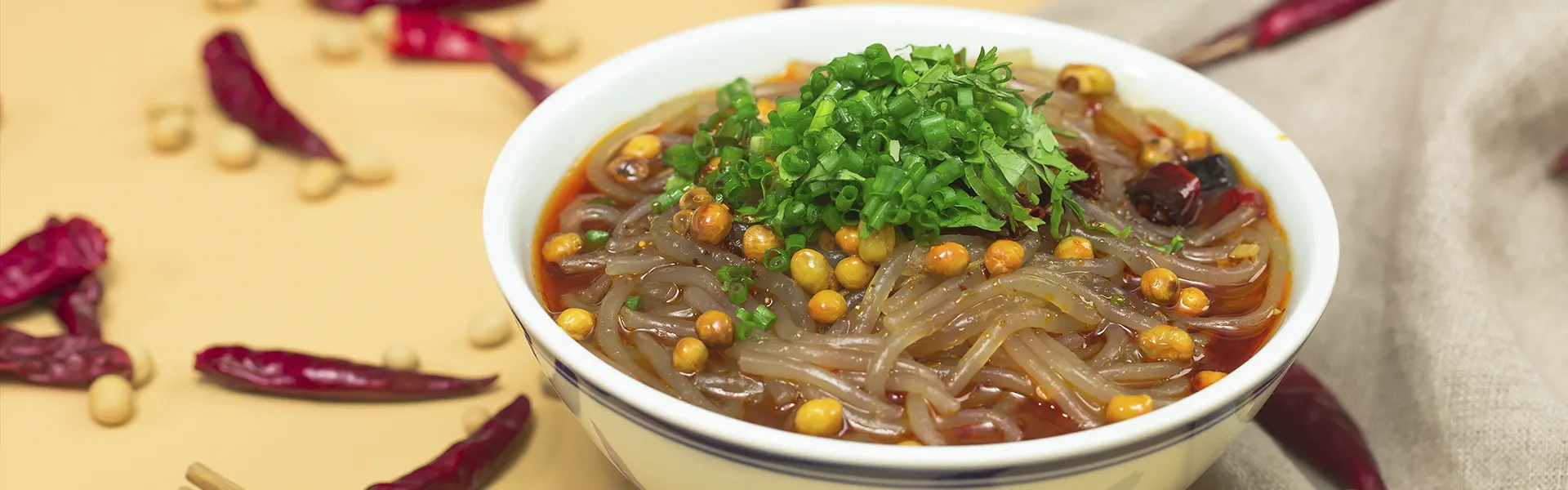
Why Is 400g Bag Handmade Sweet Potato Vermicelli a Smart Choice for Convenient, Flavorful Everyday Meals
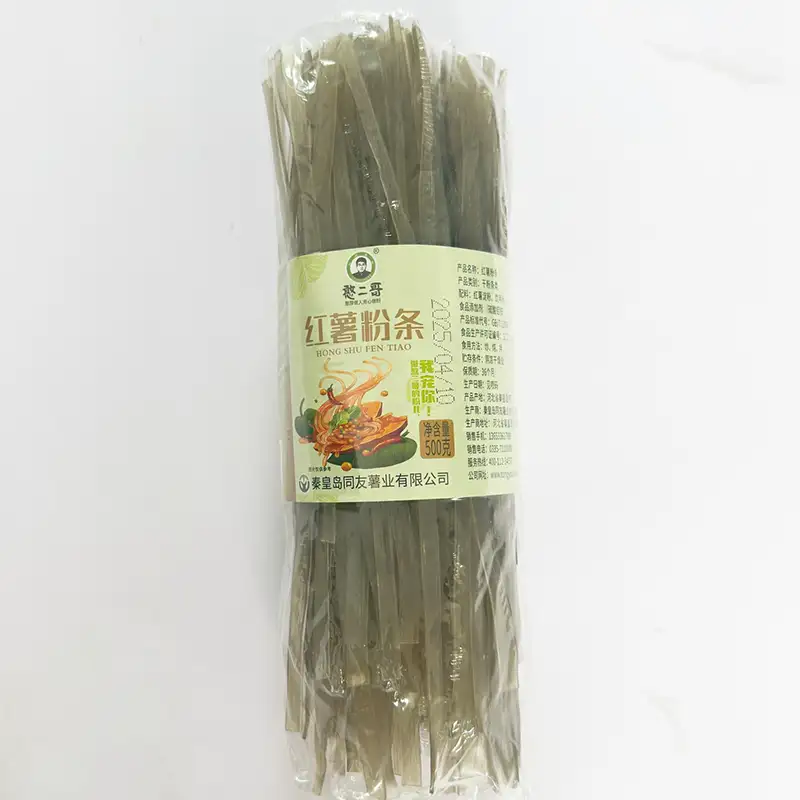
Tongyou offers 400g Bag Handmade Sweet Potato Vermicelli for consumers, food distributors, and retailers seeking a versatile noodle product with traditional craftsmanship and convenient packaging. Made from sweet potato starch, this type of vermicelli is valued for its pleasantly chewy texture, ability to absorb sauces, and suitability for soups, stir-fries, hot pots, and other everyday dishes.
Handmade sweet potato vermicelli combines the distinctive texture of starch-based noodles with the convenience of ready-to-store packaging. The 400g bag format provides a practical quantity for household cooking and can also suit selected retail and food-service requirements. This article explores its characteristics, preparation methods, culinary applications, storage recommendations, and purchasing considerations. It also explains how buyers can evaluate ingredient information, packaging quality, and product consistency when sourcing from Tongyou. Whether you are preparing a quick weekday meal or developing a product range for the food market, understanding these factors can help you make a more informed purchasing decision.
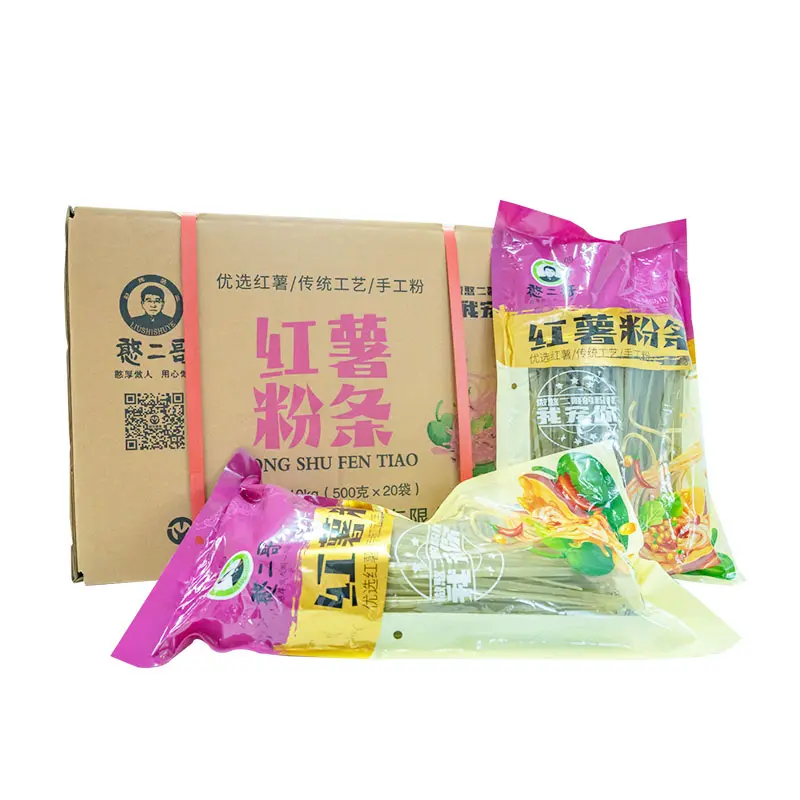
Table of Contents
- What Is 400g Bag Handmade Sweet Potato Vermicelli?
- What Makes Handmade Sweet Potato Vermicelli Different?
- Which Dishes Can You Prepare With It?
- How Do You Prepare Sweet Potato Vermicelli?
- How Does It Compare With Other Noodles?
- How Can You Evaluate Product Quality?
- How Should You Store and Purchase It?
- Frequently Asked Questions
- Conclusion
1. What Is 400g Bag Handmade Sweet Potato Vermicelli?
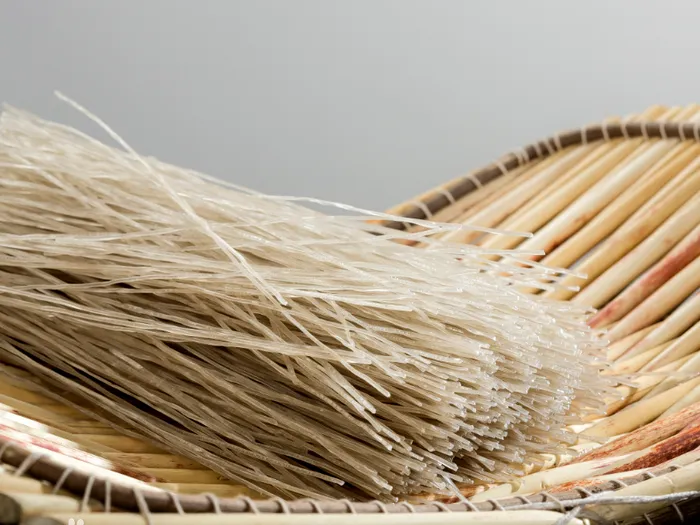
Sweet potato vermicelli is a type of starch-based noodle commonly used in Asian cooking. It is generally prepared by processing sweet potato starch into strands, followed by forming and drying the noodles. When rehydrated and cooked, the strands develop a translucent appearance and a distinctive chewy texture that works well in a variety of recipes.
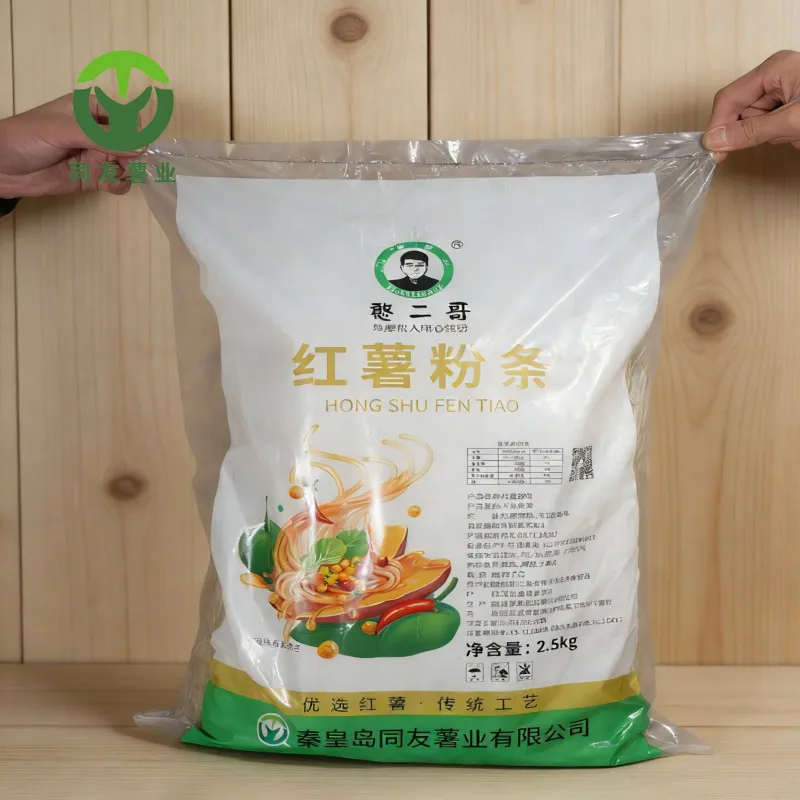
The 400g bag format combines this traditional noodle style with practical packaging. It is convenient for pantry storage, portion planning, and routine meal preparation. For retailers and food distributors, a clearly identified package weight also helps simplify product listing, inventory management, and consumer purchasing decisions.
Tongyou's product page provides further information about its 400g Bag Handmade Sweet Potato Vermicelli. Buyers should refer to the current product label and supplier documentation for the confirmed ingredient list, net weight, preparation directions, and other product-specific details.
One important distinction is that dry vermicelli differs considerably from its cooked form. The noodles absorb water during preparation, so the finished serving weighs more than the original dry portion. This makes dry-weight measurement useful when planning recipes or estimating serving quantities.
2. What Makes Handmade Sweet Potato Vermicelli Different?
A Distinctive Chewy Texture
One of the main attractions of sweet potato vermicelli is its springy, chewy mouthfeel. Unlike many wheat noodles, which have a dough-based structure, starch noodles develop their characteristic texture through hydration and heating. The final result depends on starch composition, strand dimensions, processing conditions, and cooking time.
A Mild Flavor That Complements Other Ingredients
Sweet potato vermicelli generally has a mild flavor, making it suitable for dishes with garlic, soy sauce, sesame oil, chili, mushrooms, vegetables, or savory broth. Rather than dominating a recipe, the noodles absorb surrounding seasonings and help distribute flavor throughout the dish.
Traditional Craftsmanship and Practical Packaging
Handmade production can involve additional attention to forming, handling, and drying. Small differences in strand appearance may occur depending on the manufacturing method. Buyers should assess the actual product specifications and sample quality instead of assuming that every handmade noodle has identical dimensions or cooking performance.
The 400g package format also offers a straightforward way to organize dry noodles in the kitchen or retail inventory. For commercial buyers, packaging suitability should be evaluated alongside shelf-life information, transport conditions, and the needs of the intended market.
Versatility Across Different Recipes
These noodles can be used in both simple home-cooked meals and more elaborate dishes. Their texture makes them a useful ingredient in recipes where noodles need to retain their identity among vegetables, meat, seafood, tofu, and seasonings.
3. Which Dishes Can You Prepare With It?
The versatility of handmade sweet potato vermicelli makes it suitable for numerous cooking styles. Because the noodles have a relatively neutral flavor, they can complement both light broths and strongly seasoned sauces.
- Hot pot: Add prepared vermicelli near the end of cooking so that it absorbs the broth without becoming excessively soft.
- Stir-fried noodles: Combine cooked and drained strands with vegetables, mushrooms, tofu, or sliced meat. Add sauce gradually to maintain a balanced texture.
- Hearty soups: Pair the noodles with chicken, beef, seafood, or vegetable stock for a warming meal.
- Cold noodle salads: Cook, drain, and cool the noodles before tossing them with cucumber, carrots, sesame dressing, or chili oil.
- Braised dishes: Use vermicelli to absorb savory cooking liquid from braised vegetables, meat, or tofu.
- Vegetarian meals: Combine the noodles with leafy greens, mushrooms, tofu, and a well-seasoned sauce.
For restaurant operators, these applications provide opportunities to use one ingredient across different menu items. For household cooks, the same flexibility helps reduce the need to maintain several specialized noodle products.
4. How Do You Prepare Sweet Potato Vermicelli?
Proper preparation is important because starch noodles can change texture quickly once they become fully hydrated. The ideal method and cooking time depend on strand thickness and the manufacturer's instructions.
- Check the package directions. Determine whether the noodles require soaking, direct boiling, or another preparation method.
- Soak if recommended. Use clean water to soften the strands before cooking when the instructions call for pre-soaking.
- Cook until tender. Boil or simmer the noodles according to the package guidance, checking their texture as they cook.
- Test a strand. Look for a tender center with the desired degree of chewiness. Avoid cooking longer than necessary.
- Drain thoroughly. Remove excess water before stir-frying or mixing the noodles with a dressing.
- Combine with other ingredients. Add the noodles to the dish at the appropriate stage so they can absorb the seasoning without becoming overcooked.
For stir-fries, preparing the vegetables and sauce before adding the noodles helps reduce the time they spend in the pan. For soup dishes, cooking the vermicelli separately can make it easier to control the final texture and prevent it from absorbing too much broth.
A useful kitchen tip is to prepare a small test portion when using an unfamiliar batch or cooking method. This allows you to adjust soaking time, heating duration, and sauce quantity before preparing a larger serving.
5. How Does It Compare With Other Noodles?
Different noodle types serve different culinary purposes. The following comparison highlights general characteristics rather than guaranteed performance specifications for every product.
| Comparison Factor | Sweet Potato Vermicelli | Wheat Noodles | Rice Vermicelli |
|---|---|---|---|
| Main ingredient | Typically sweet potato starch | Typically wheat flour | Typically rice flour or rice |
| Texture when cooked | Often chewy and springy | Ranges from firm to soft | Often tender and relatively delicate |
| Appearance | Frequently translucent | Usually opaque | Usually white or translucent, depending on processing |
| Flavor profile | Mild, allowing sauces to stand out | Can have a noticeable wheat flavor | Generally mild |
| Common applications | Hot pot, stir-fries, soups, and braised dishes | Noodle soups, pasta-style dishes, and stir-fries | Soups, salads, spring rolls, and stir-fries |
| Preparation considerations | Hydration and cooking time require attention | Varies by noodle thickness and formulation | Often requires soaking or relatively brief cooking |
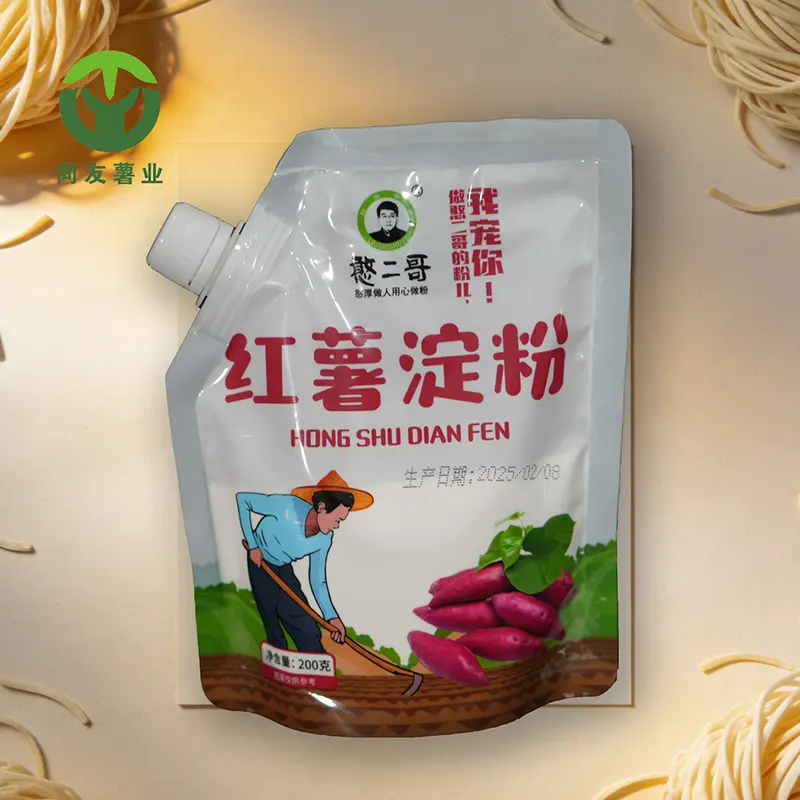
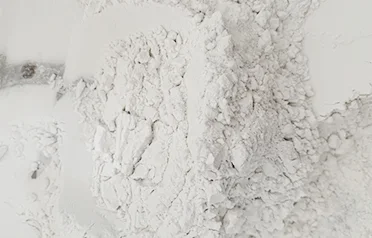
Ingredient composition matters when choosing noodles for a particular dietary requirement. Sweet potato starch is naturally gluten-free, but buyers who need to avoid gluten should verify the product's full ingredient declaration and cross-contact controls rather than relying on the main ingredient alone.
For a closer look at the product format, visit Tongyou's 400g vermicelli product page.
6. How Can You Evaluate Product Quality?
Good purchasing decisions begin with a clear understanding of what the product must deliver. Appearance alone cannot establish ingredient purity, food safety, or cooking performance. Buyers should evaluate the package, documentation, and actual product together.
Consider the following quality checks:
- Ingredient transparency: Review the declared ingredients and any processing aids or allergen statements applicable to the product.
- Visual consistency: Check for excessive breakage, unusual discoloration, or visible contamination.
- Dryness and packaging integrity: Ensure the package is properly sealed and the noodles show no signs of unwanted moisture.
- Cooking performance: Test the strands for hydration time, chewiness, flavor, and resistance to breaking under the intended cooking conditions.
- Batch consistency: Compare representative samples from different production lots when purchasing repeatedly.
- Documentation: Request available product specifications, shelf-life information, traceability details, and relevant food-safety documentation.
For distributors and retailers, sample testing is especially useful before placing a large order. It provides a practical opportunity to check whether the product meets the expectations of the intended customer group.
7. How Should You Store and Purchase It?
Storage Recommendations
Dry vermicelli should generally be kept in a cool, dry, clean location away from direct sunlight, excessive humidity, pests, and strong odors. Moisture exposure can affect the condition of dried noodles, so package integrity is important during both storage and transportation.
- Store unopened packages according to the instructions printed on the label.
- After opening, reseal the package securely or transfer the remaining noodles to a clean, airtight container.
- Keep the product away from wet preparation surfaces and steam.
- Check the best-before date and inspect the noodles before use.
- Follow the label's instructions for any product-specific storage requirements.
Once cooked, vermicelli should be handled as a prepared food rather than a shelf-stable dry product. Refrigerate leftovers promptly in a covered container and follow applicable food-safety guidance for storage and reheating.
Purchasing Considerations for Retailers and Distributors
For commercial procurement, the 400g format can be assessed for its suitability for grocery shelves, specialty food stores, and selected food-service operations. Before ordering, buyers should confirm:
- Available order quantities and packaging configurations.
- Ingredient specifications and applicable food-safety documentation.
- Production lead times, shipping arrangements, and delivery requirements.
- Labeling and language requirements for the destination market.
- Sample availability and procedures for handling quality concerns.
Clear communication about these details helps buyers compare quotations accurately and plan replenishment more effectively.
8. Frequently Asked Questions
Q1: What is the net weight of this vermicelli package?
The product is identified as a 400g bag of handmade sweet potato vermicelli. Check the package label to confirm the declared net weight and any additional packaging information for the specific order.
Q2: Is sweet potato vermicelli suitable for vegetarian meals?
It can be used in vegetarian and vegan recipes when its ingredients are compatible with those diets. Check the product label for the complete ingredient list and any relevant processing or allergen information.
Q3: Does handmade sweet potato vermicelli need soaking before cooking?
Preparation requirements depend on the strand thickness and product formulation. Follow the manufacturer's instructions and test a small portion to determine the appropriate soaking and cooking time.
Q4: Can I use this product for both hot and cold dishes?
Yes, sweet potato vermicelli is commonly used in hot pots, soups, stir-fries, and cold noodle salads. Adjust the cooking method and seasoning to suit the recipe, and avoid overcooking the noodles.
Q5: How should I store an opened 400g bag?
Keep the remaining dry noodles in a tightly sealed package or clean airtight container in a cool, dry place. Protect them from humidity and follow the storage instructions and best-before date on the label.
Q6: What should wholesale buyers confirm before ordering from Tongyou?
Wholesale buyers should confirm product specifications, ingredient information, packaging details, minimum order quantities, delivery schedules, and available quality documentation. Requesting a sample before a large order can also help verify whether the product meets market requirements.
9. Conclusion
400g Bag Handmade Sweet Potato Vermicelli combines a practical package size with the distinctive chewy texture and culinary versatility of sweet potato starch noodles. From hot pots and soups to stir-fries and cold salads, it offers home cooks and food-service professionals a flexible ingredient for a wide range of recipes. For retailers and distributors, evaluating ingredient transparency, package integrity, cooking performance, and supply arrangements is essential to making a sound purchasing decision. Tongyou provides a dedicated product page where buyers can review the offering and begin a product inquiry. Explore the 400g Bag Handmade Sweet Potato Vermicelli and contact us to discuss product specifications, sample evaluation, packaging requirements, and wholesale purchasing options for your market.
Related News
- Why Is the 2.5kg Bag Sweet Potato Glass Noodles a Smart Choice for Global Food Buyers
- Why Is 400g Bundled Sweet Potato and Yam Vermicelli Becoming a Smarter Choice for Modern Food Businesses
- Why Is the Premium Sweet Potato Vermicelli and Starch Hamper a Smarter Choice for Healthy Gifting and Modern Food Retail
- What Makes Bagged Sweet Potato Noodles a Better Choice for Modern Food Businesses?
- How Does Handmade Sweet Potato Vermicelli Deliver Traditional Taste and Reliable Quality?
- How Can Bagged Sweet Potato Starch Improve Food Quality and Production Efficiency?
Leave me a message